
PHNOM PENH, Cambodia — Oxfam has highlighted the often-overlooked contributions of women workers in Cambodia’s agri-food sector while emphasizing the critical role of social protection, labour rights, and social dialogue in improving their livelihoods, working conditions, and economic security.
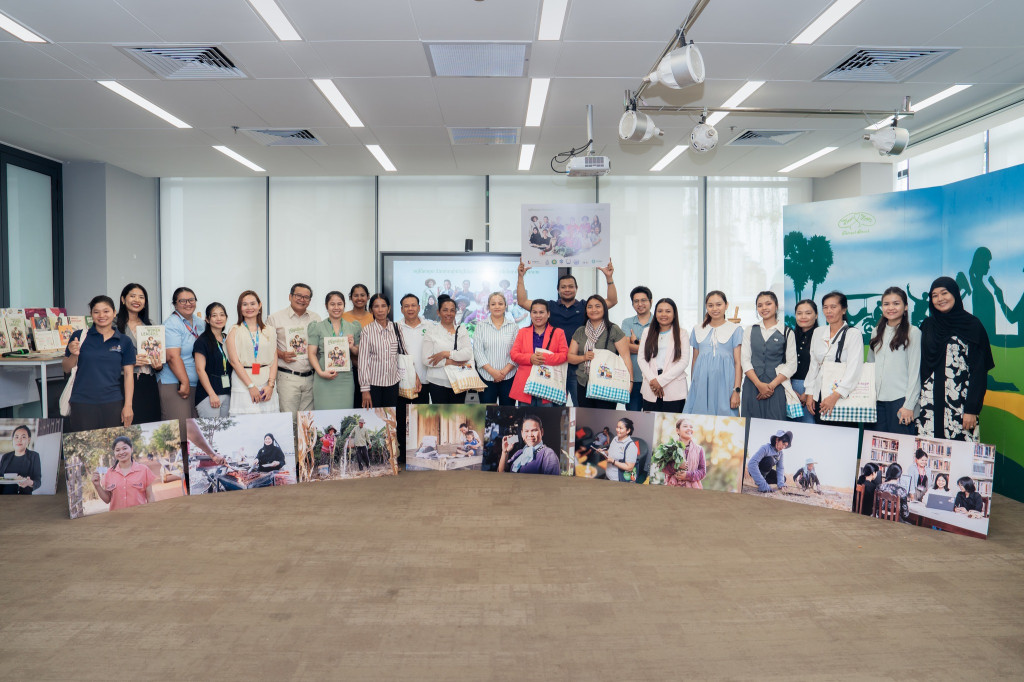
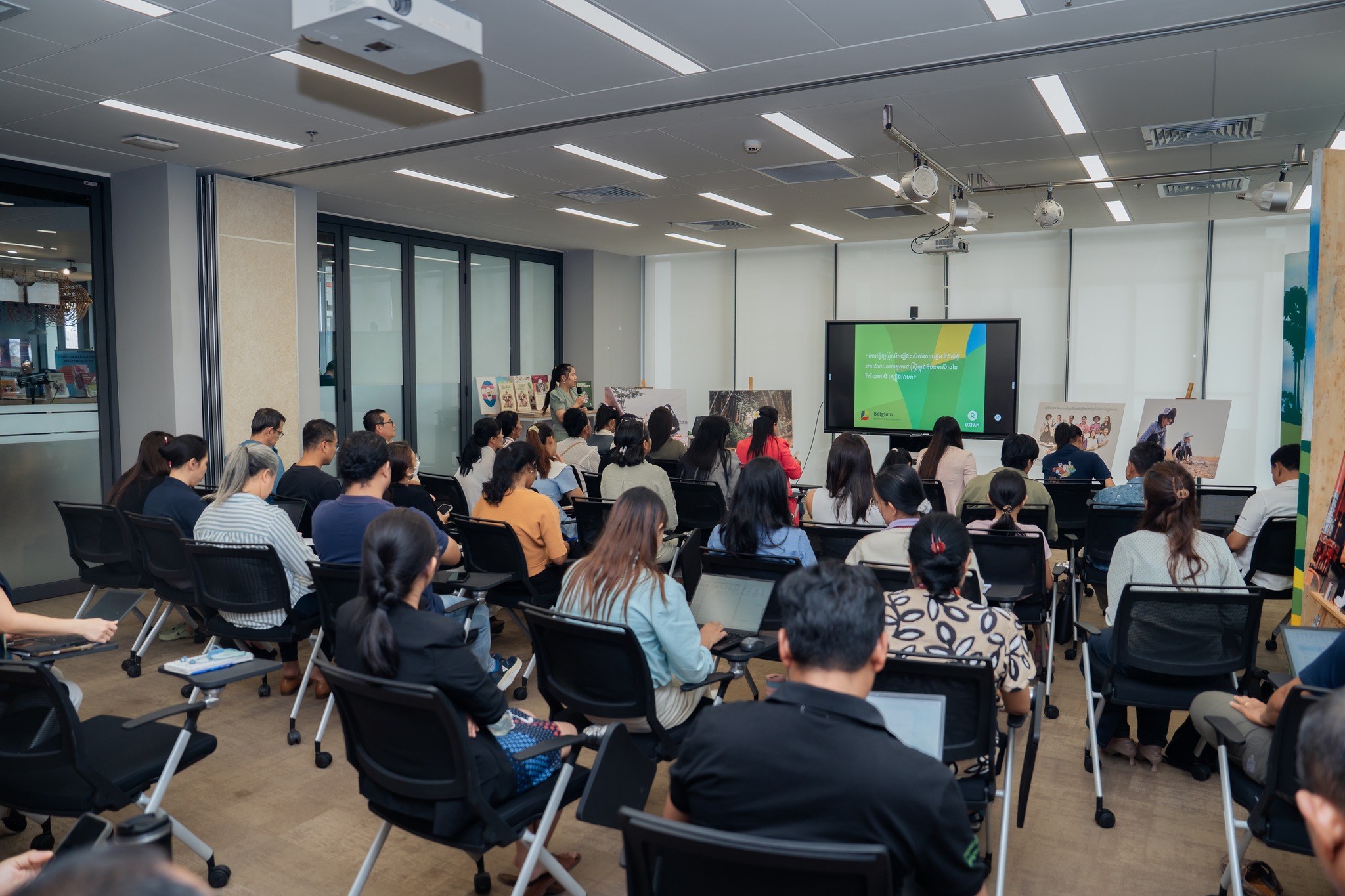
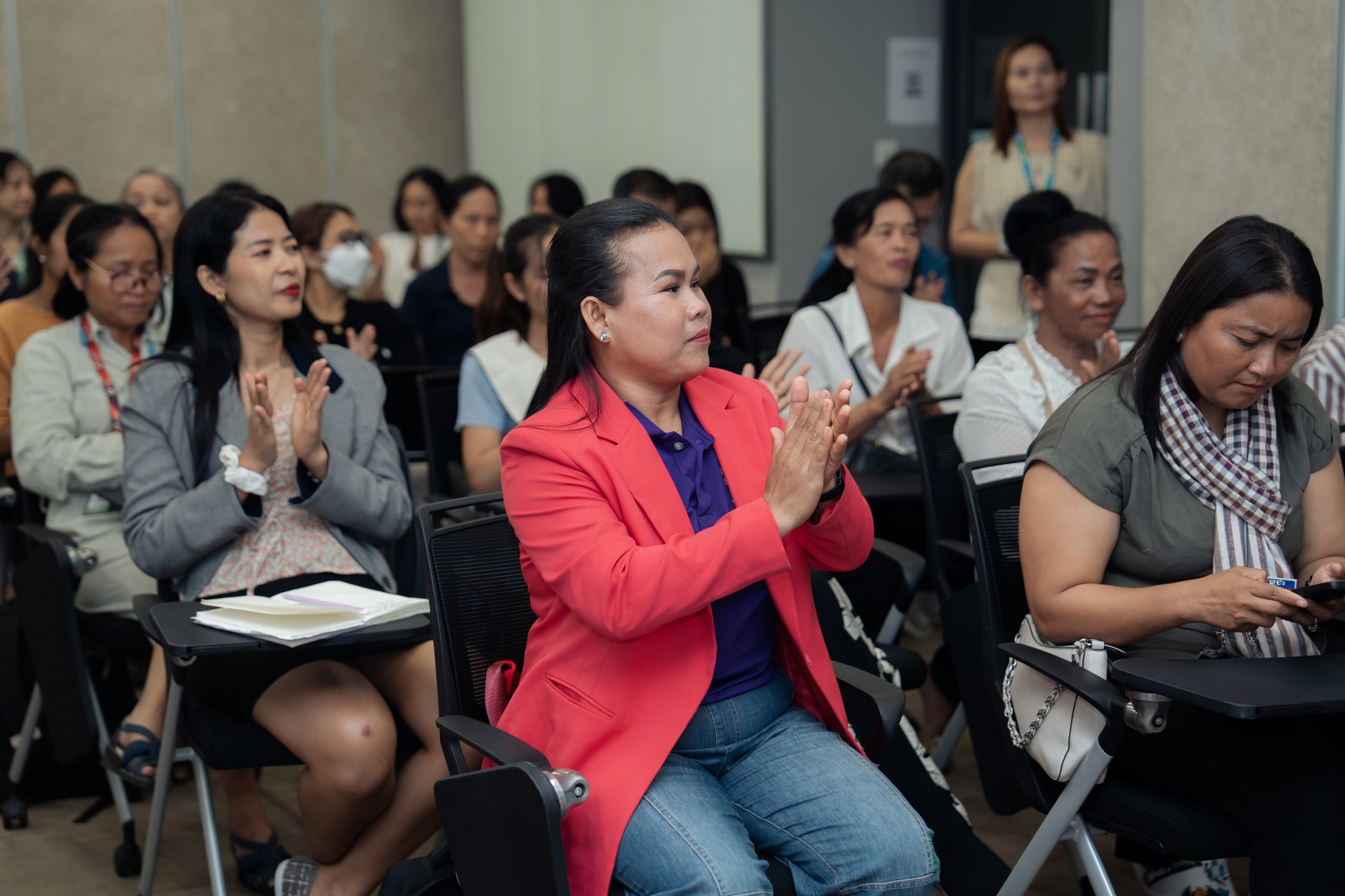
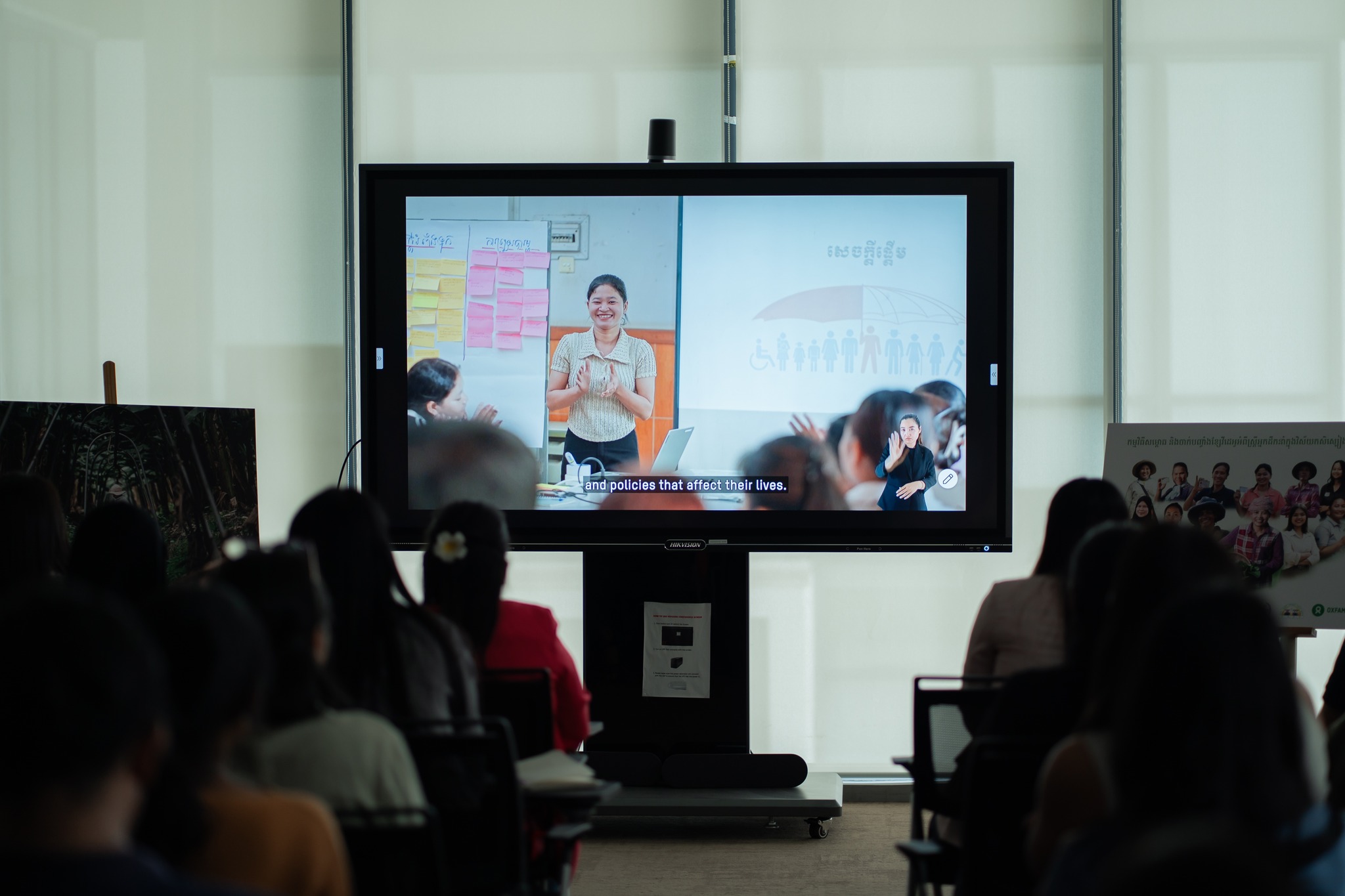
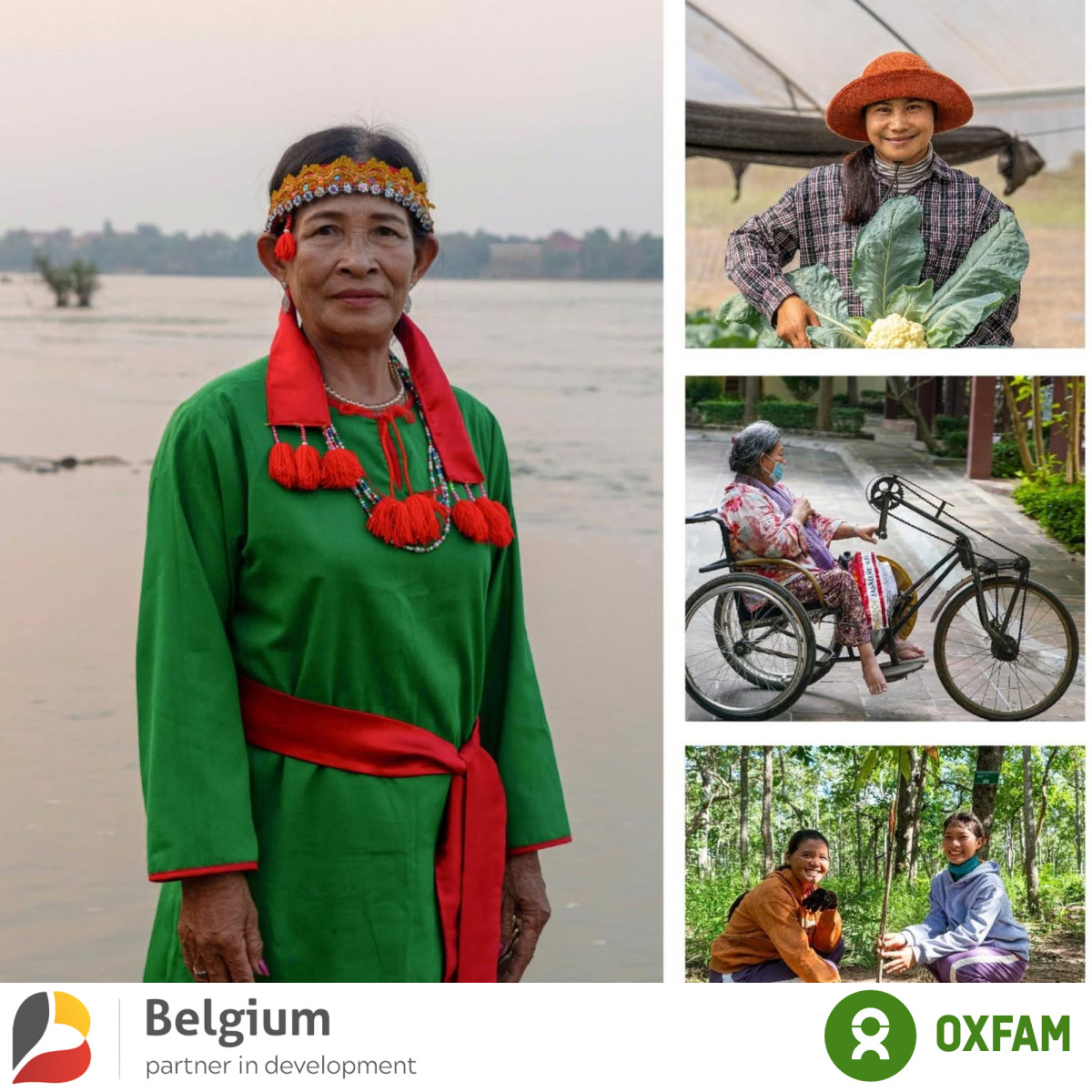
At a film screening event held on 29 May 2026 at Oxfam’s office in Phnom Penh, the organization showcased four powerful stories of women leaders working across Cambodia’s agri-food sector. The event formed part of the conclusion of Oxfam’s five-year regional program, “Improved Social Protection and Labour Rights for Women Workers in ASEAN’s Agri-Food Sector,” funded by the Government of Belgium.
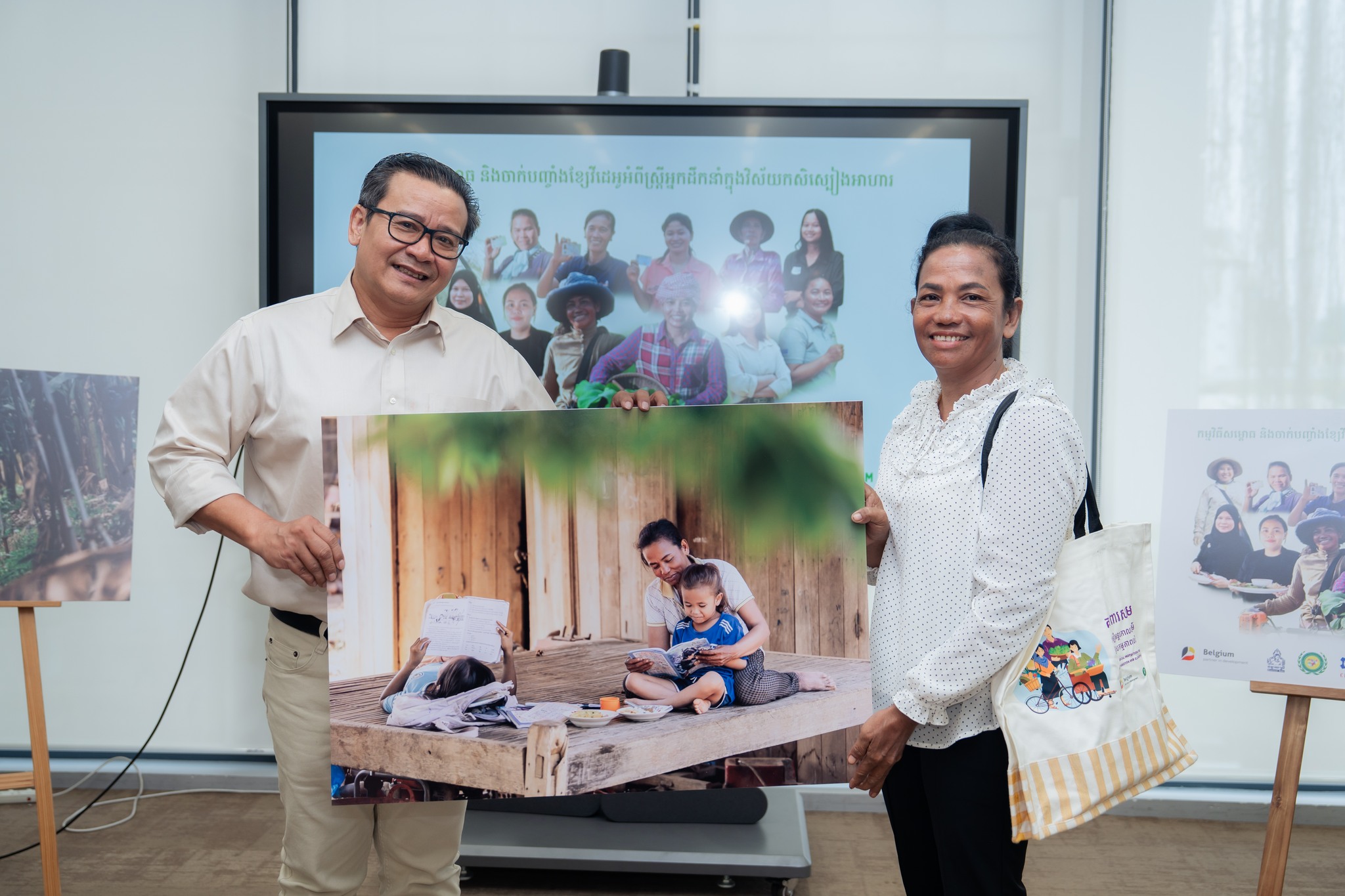
The films featured the experiences of street vendors, smallholder farmers, entertainment workers, and community organizers, highlighting the resilience, leadership, and determination of women who are driving positive change within their workplaces and communities. The screening was accompanied by a photo exhibition and personal testimonies from women worker leaders, underscoring their multiple roles as workers, caregivers, organizers, and community builders.
“Behind every meal lies the unseen labour of women,” Oxfam said in a statement. “Across Cambodia’s rice fields, markets, kitchens, and small businesses, women grow, prepare, sell, and serve the food that sustains families and nourishes communities. Yet their contributions often remain invisible, marked by long working hours, unsafe conditions, unstable incomes, and limited access to rights and social protection.”
Among those featured was Sier Yim, a young woman who shared her experience of workplace exploitation and the importance of labour rights awareness. “At my previous workplace, I was expected to take on multiple roles without proper leave. I faced harassment and unfair treatment, yet I felt unable to speak out. That silence taught me why change matters,” she said.
Another participant, Chenda Pov, a restaurant supervisor from Kandal Province and former beer promoter, described how labour rights training helped transform both her personal and professional life. “Speaking up didn’t just change my life; it changed the environment around me,” she said. “By raising our voices against mistreatment, we helped create a workplace where safety, respect, and dignity are part of the service we provide and receive. Training on labour rights, sexual harassment, and social protection taught me how to stand up for myself.”
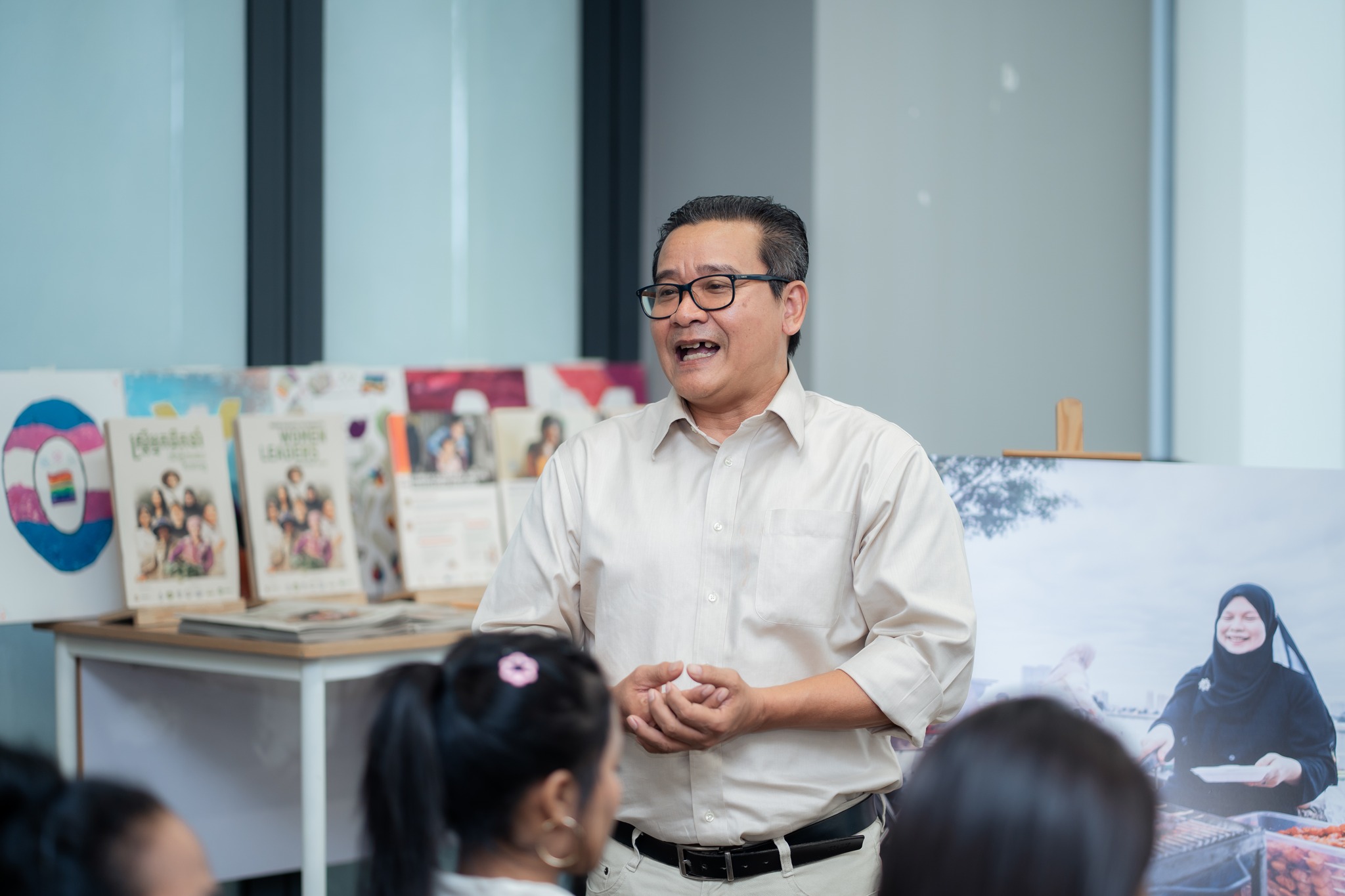
According to Visal Tan, Program Coordinator at Oxfam, the stories reflect the broader role women play in shaping Cambodia’s food systems and advancing social justice. “The screening highlights the truth that women are not just sustaining families and communities; they are reshaping Cambodia’s agri-food sector and driving the push for fairness, dignity, and equality across the region,” he said.
Launched in 2022, the regional program has been implemented across Cambodia, Laos, and Vietnam to support vulnerable and informal workers—particularly women—through strengthened labour rights, improved social protection, and enhanced social dialogue mechanisms.
In Cambodia, Oxfam and six local partner organizations—Banteay Srei (BS), Coalition of Cambodian Farmers Community Association (CCFC), Cambodian Food and Service Workers Federation (CFSWF), Independent Democracy of Informal Economy Association (IDEA), Cambodian Labour Confederation (CLC), and Youth Resource Development Program (YRDP)—have reached more than 41,000 women workers, including smallholder farmers and informal-sector workers.
The initiative has supported women in accessing social protection schemes, strengthening collective representation, improving working conditions, and increasing their participation in policy discussions aimed at promoting gender equality and decent work.
Beyond direct support to workers, the program has also engaged private-sector actors to align business practices with international labour standards while working with ASEAN institutions to promote a more inclusive, gender-transformative agenda across the region.
The agri-food sector remains one of the largest sources of employment within ASEAN’s informal economy. Women make up a significant portion of the workforce in farming, food processing, packaging, transportation, storage, distribution, and retail activities. However, many continue to work in insecure, low-paid, and unprotected jobs, leaving them disproportionately vulnerable to poverty, exploitation, and social exclusion.
Oxfam said the event served as both a celebration of women’s leadership and a reminder that meaningful progress in the agri-food sector requires stronger social protection systems, greater respect for labour rights, and sustained social dialogue among workers, employers, governments, and civil society organizations.
As the five-year program concludes, Oxfam and its partners say they will continue advocating for policies and practices that ensure women workers are not only recognized for their contributions but are also empowered to enjoy safe working conditions, economic security, and equal opportunities throughout the ASEAN region.

 Cambodia Expands Health-Care Social Security Coverage to Retired Generals and Admirals
 Preah Vihear Holds Job Forum to Help Returning Migrants, Youth Find Local Work
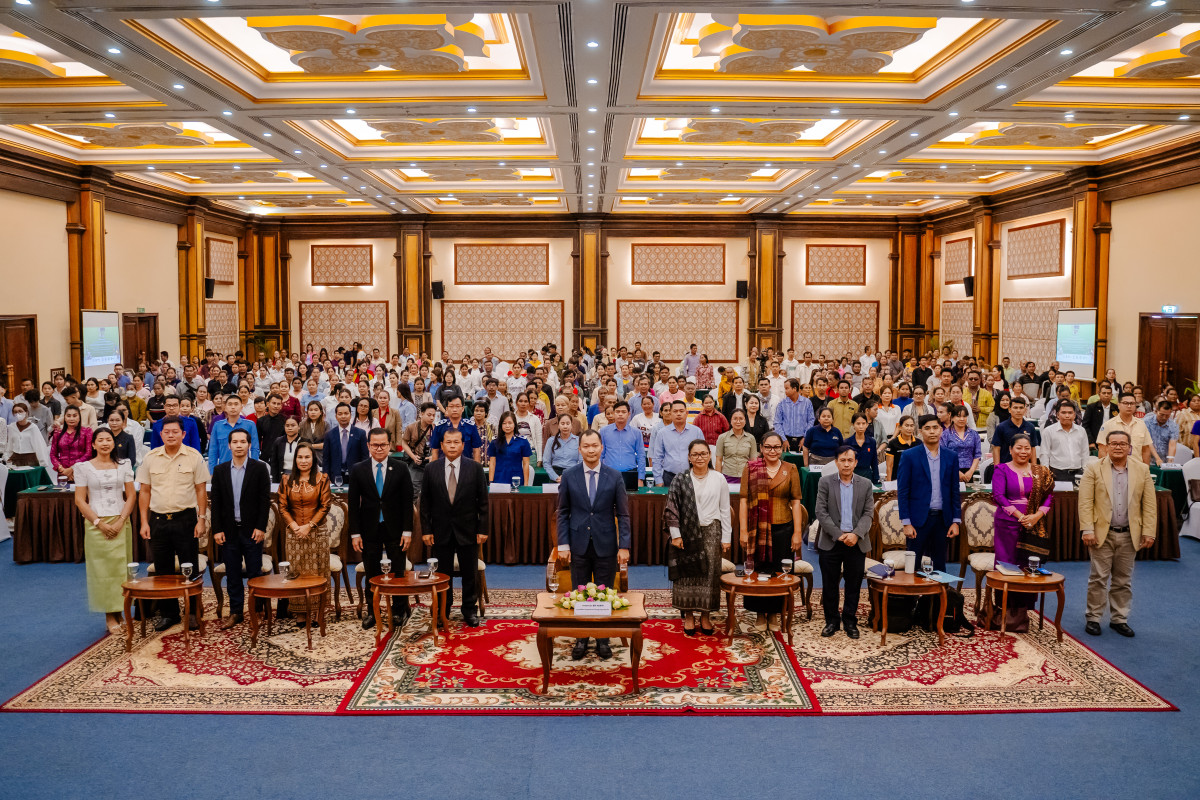 Government, Partners Push Decent Work for Informal Workers
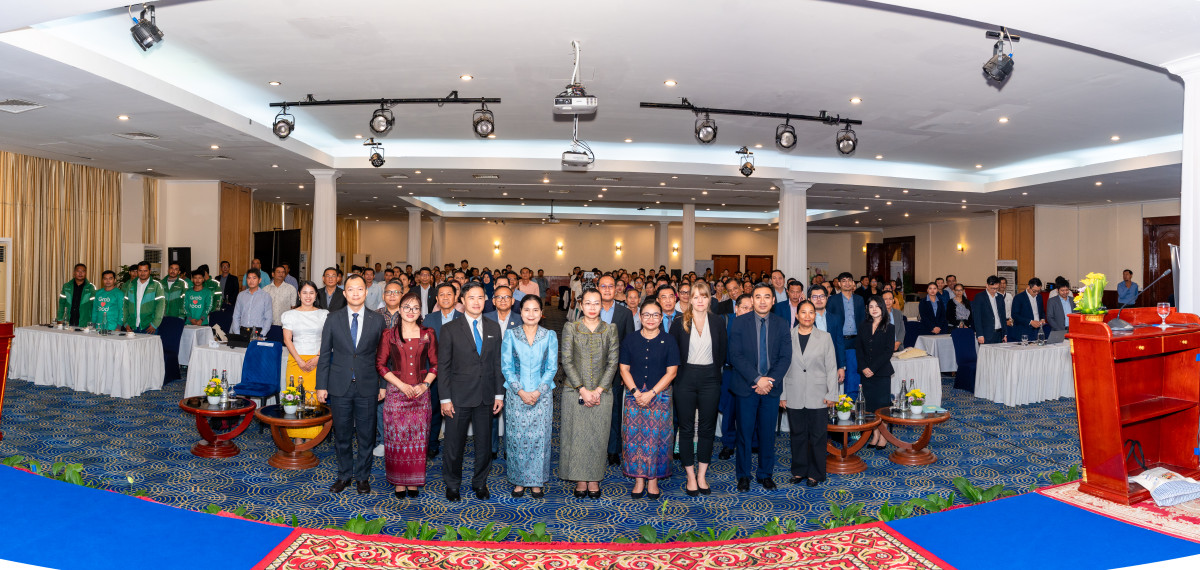 Cambodia Pushes to Expand Social Protection for Formal and Informal Workers
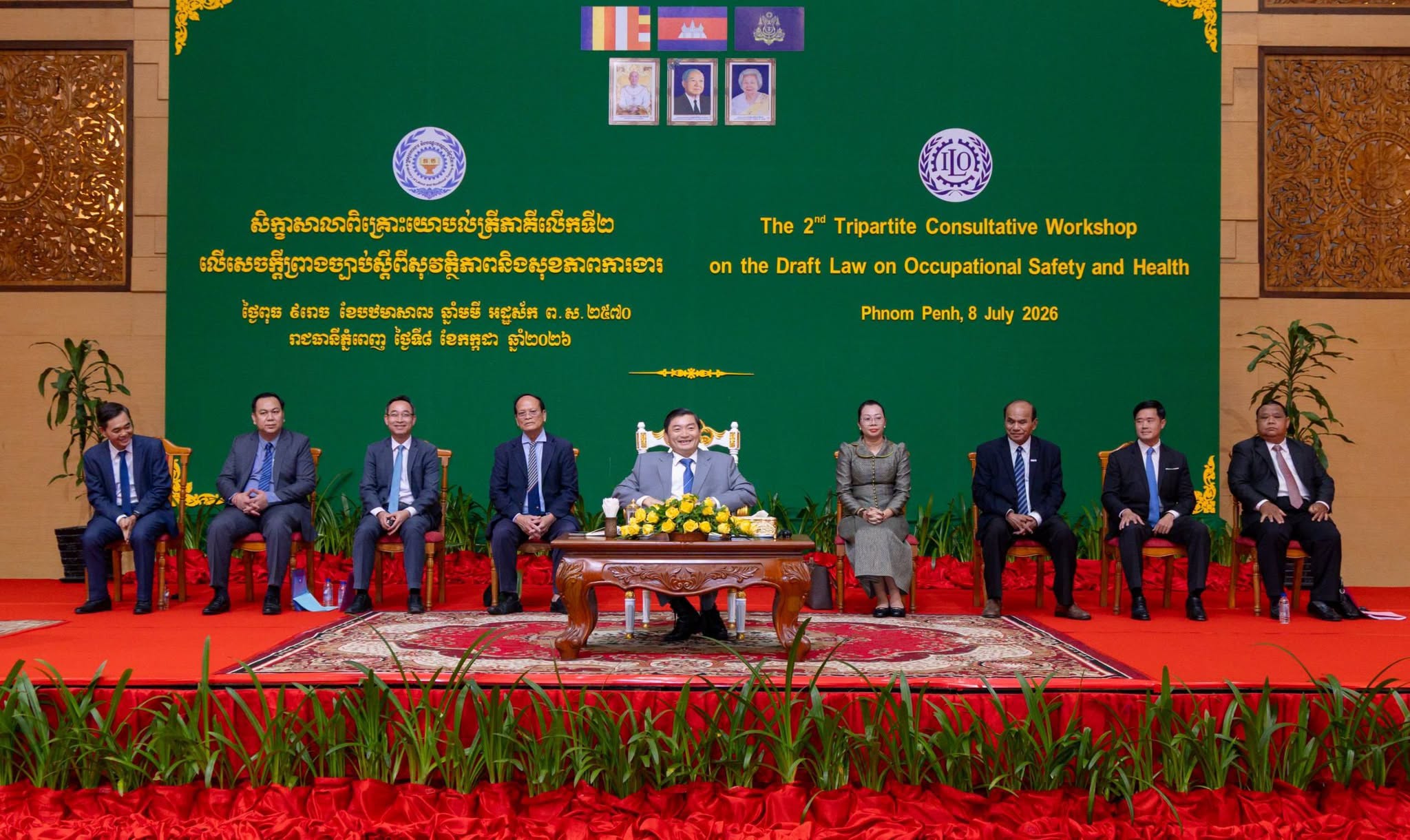 Cambodia Takes Another Step Toward Enacting an Occupational Safety and Health Law
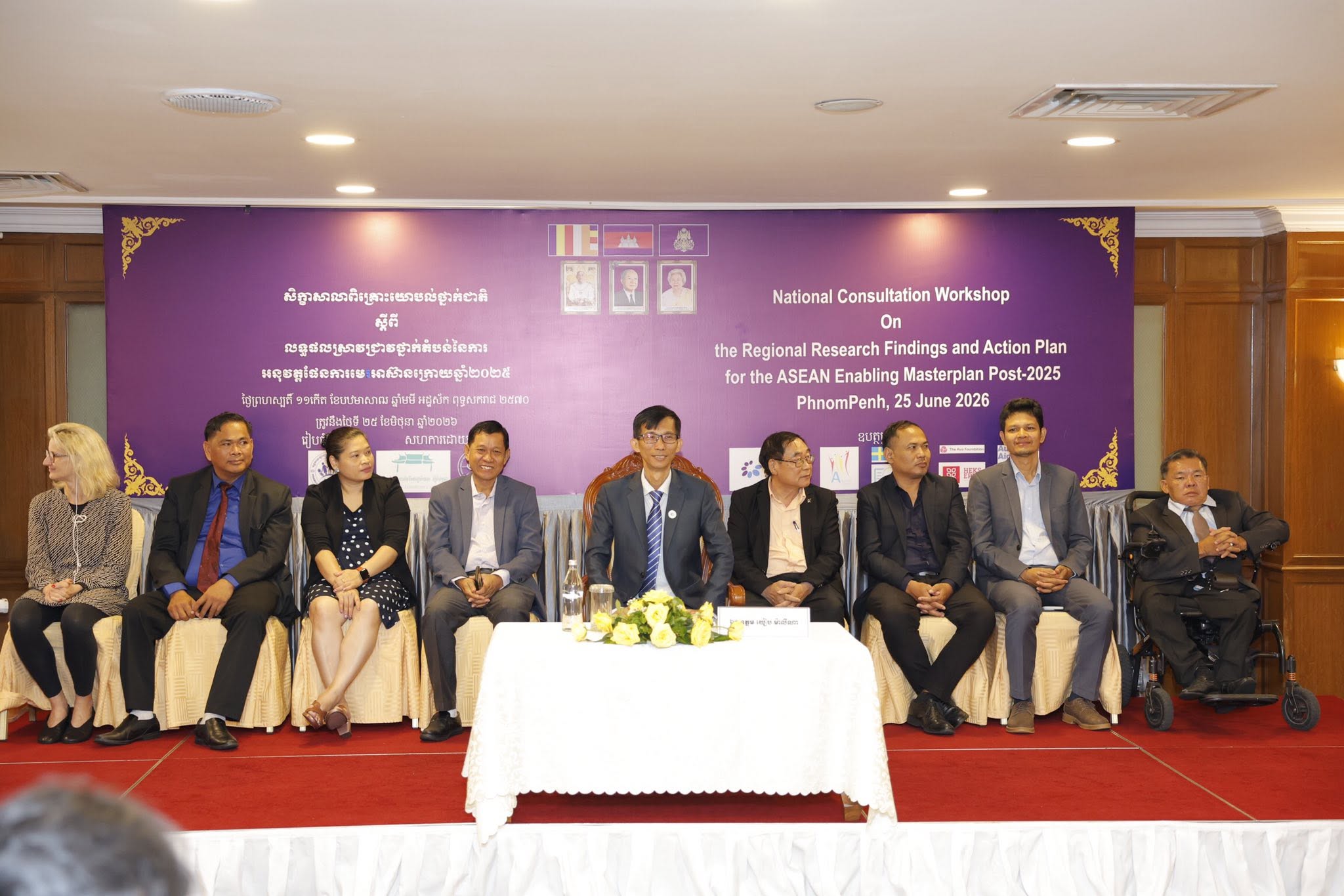 Cambodian Civil Society Calls on ASEAN to Strengthen Disability Rights in Post-2025 Regional Masterplan
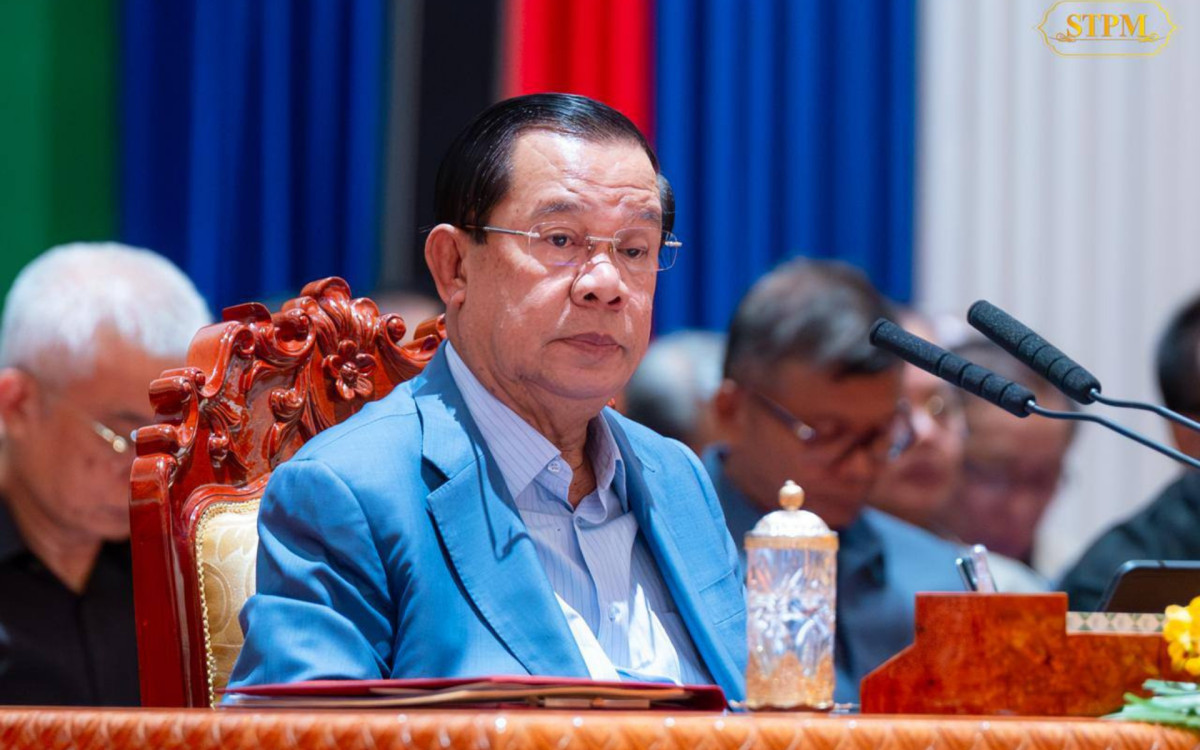 Acting Head of State Warns Corrupt Officials and Smugglers Over Illegal Thai Imports
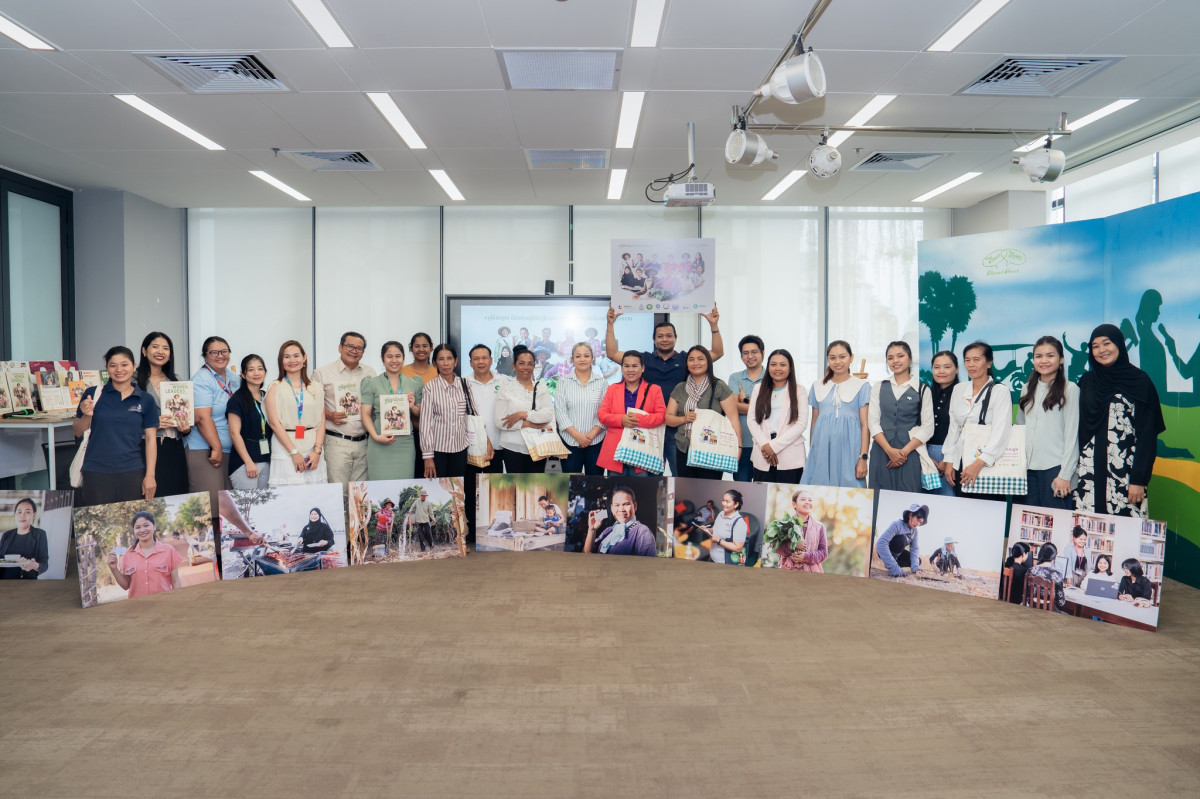 Oxfam Highlights Women’s Hidden Contributions to Cambodia’s Agri-Food Sector and the Importance of Social Protection
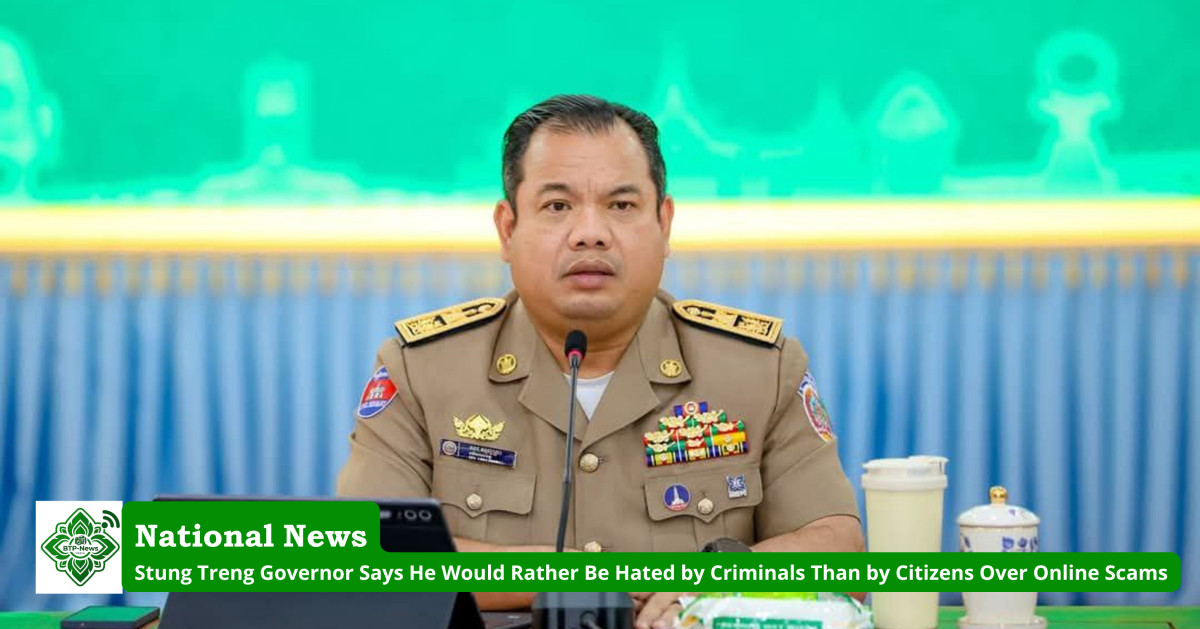 Stung Treng Governor Says He Would Rather Be Hated by Criminals Than by Citizens Over Online Scams
21-សីហា-2026 - ម៉ោង 12:18:PM
29-កក្តដា-2026 - ម៉ោង 05:32:PM
22-កក្តដា-2026 - ម៉ោង 03:10:PM
11-កក្តដា-2026 - ម៉ោង 03:05:PM
© ២០២៣ រក្សាសិទ្ធិគ្រប់យ៉ាងដោយ BAITONGPOST
#35,St 1013, Phnom Penh Thmei, Sen Sok, , Phnom Penh, Cambodia
