
Phnom Penh: The Cambodian government continues to promote the development of the informal economy sector through the implementation of a digital registration platform for informal economy workers. As of May 8, 2026, more than 360,000 registration applications had been submitted, with 93% of registrants completing the process by themselves.
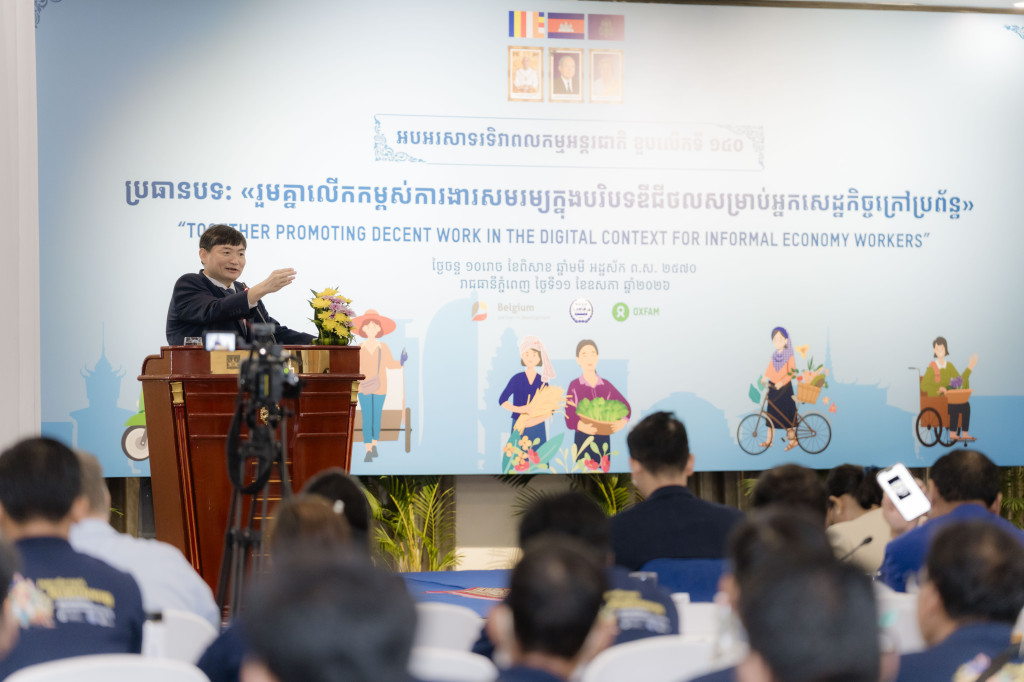
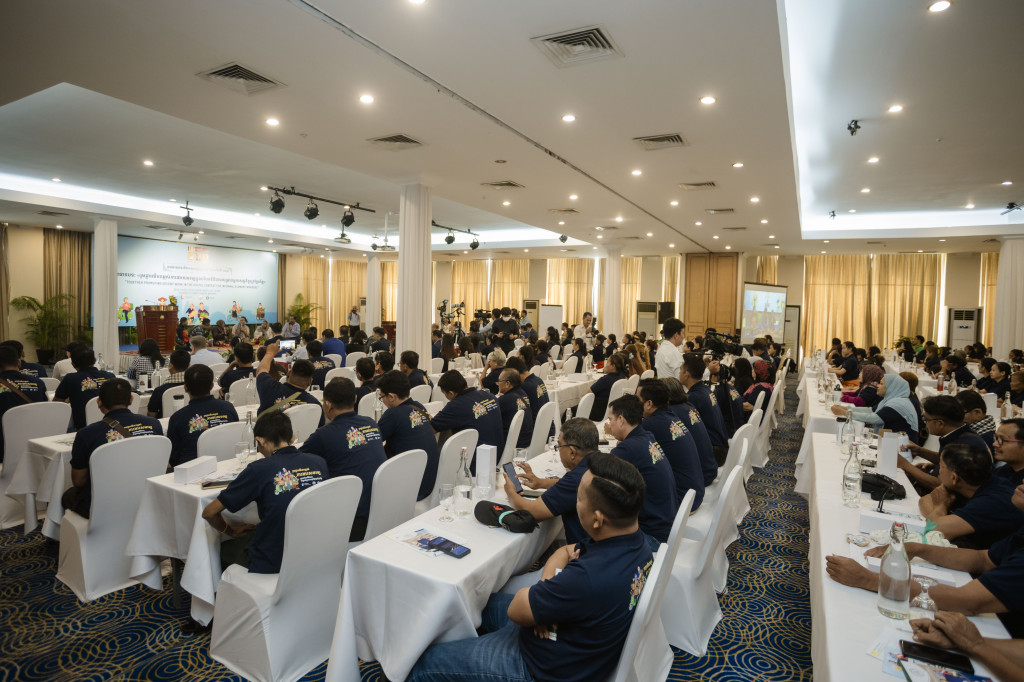
The announcement was made during the celebration of the 140th International Workers’ Day under the theme “Promoting Decent Work in the Digital Context for Informal Economy Workers,” jointly organized by Oxfam Cambodia and Independent Democracy of Informal Economy Association at Cambodiana Hotel on May 11, 2026. More than 250 participants attended the event, including street vendors, informal economy workers, civil society organizations, trade unions, development partners, and representatives from relevant ministries and institutions.
Heng Sour, Minister of Labour and Vocational Training, stated that the observance of International Workers’ Day for workers in both formal and informal sectors serves as a reminder for policymakers, ministries, development partners, and civil society organizations to pay greater attention to fundamental labor rights and decent working conditions to ensure workers receive fair social protection and benefits.
He said: “This forum also strengthens social dialogue between the Royal Government, associations, trade unions, and civil society organizations in order to exchange ideas and promote policies that address the key challenges faced by informal economy workers.”
The minister added that the Royal Government has successfully implemented the National Social Security Fund (NSSF) schemes covering occupational risks, healthcare, and pensions, which have become a “strong social safety net” for workers.
He emphasized that the government’s current goal is to help informal economy workers and small-scale operators transition into the formal system so they can access social protection and government support programs.
For informal workers in small enterprises and workshops that have not yet been officially registered, the minister encouraged them to register through the digital platform managed by the Ministry of Industry, Science, Technology and Innovation.
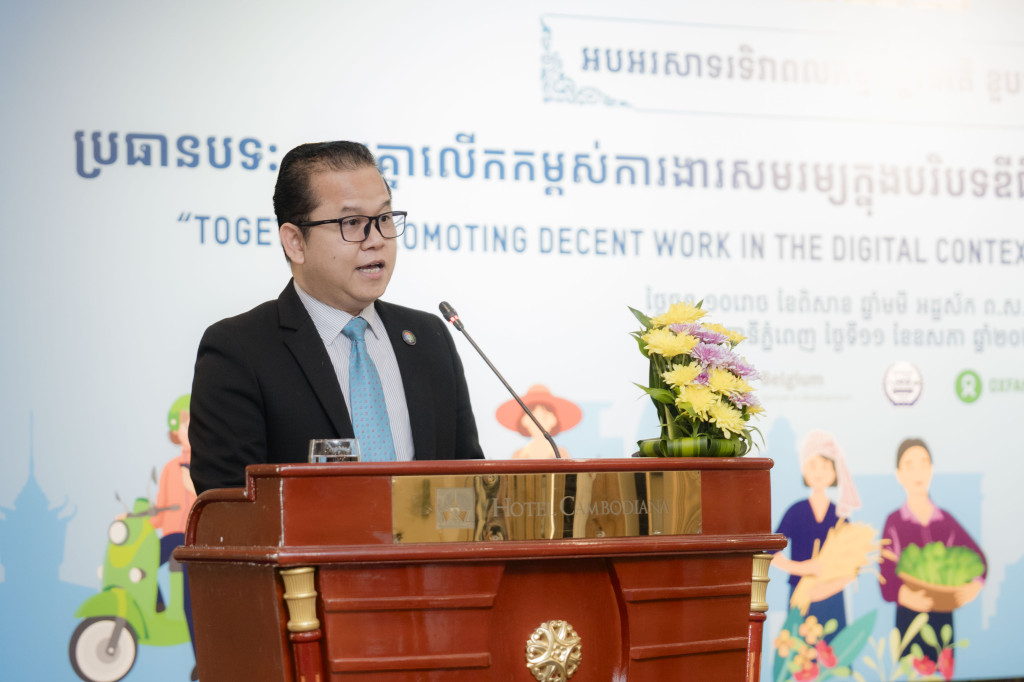
Meanwhile, H.E. Matt Sari, Undersecretary of State and Head of the Secretariat of the Coordinating Committee for Informal Economy Development, said the government launched the digital registration platform for informal economy workers on December 16, 2024, to simplify the registration process and improve access to government support and official identification.
He noted that out of more than 360,000 registration requests, 93% were completed independently by users, while the remaining 7% were processed through partner agencies. “The digital registration system is an important step toward building a comprehensive database for informal economy workers so the government can design more targeted and effective policies and interventions,” he said.
According to officials, registered informal economy workers will gain access to several benefits, including NSSF membership, healthcare services, vocational training, and digital and financial support programs.
Independent Democracy of Informal Economy Association welcomed the government’s policy initiatives aimed at supporting workers, vendors, and self-employed individuals in the informal economy sector.
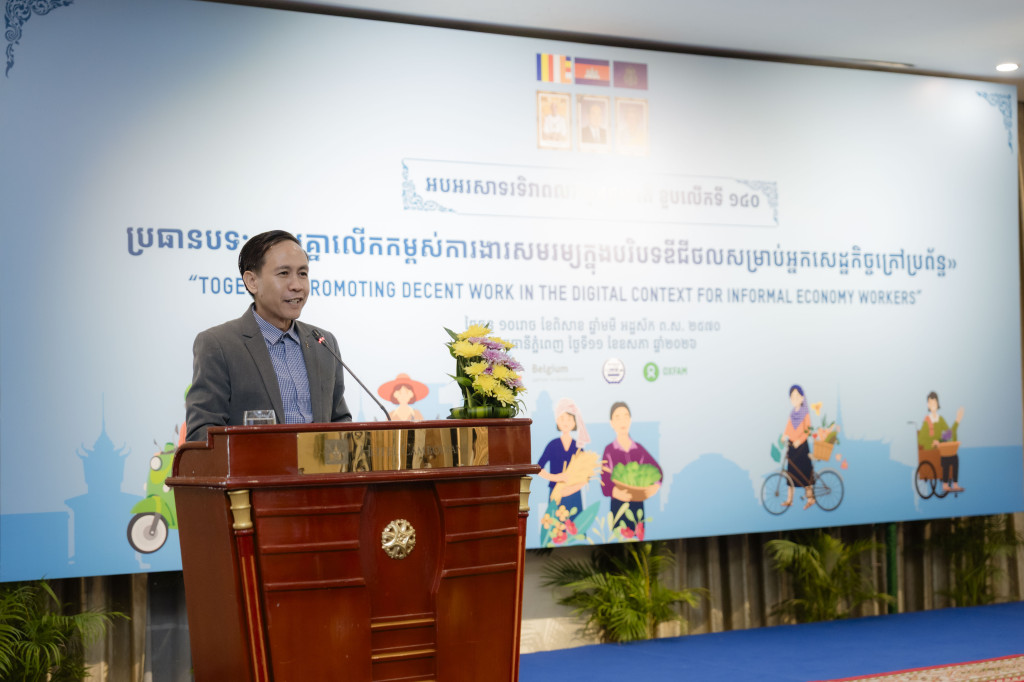
Mr. Vorn Pov, President of IDEA, said the National Strategy for Informal Economy Development and the creation of the digital registration platform represent positive steps toward improving the rights and livelihoods of informal economy workers.
“Informal economy workers are an important driving force of the national economy, but many of them remain vulnerable and have limited access to social protection. Therefore, implementing this national strategy requires cooperation from all stakeholders to ensure workers and small business operators receive real benefits,” he said.
Mr. Vorn Pov also called for continued cooperation between worker associations, civil society organizations, and government institutions, particularly the Ministry of Industry, Science, Technology and Innovation, to organize training and capacity-building programs for informal economy workers.
He added that such training should focus on work-related skills, digital technology use, and especially procedures for registering through the digital platform so that workers and small vendors can participate more effectively and benefit from government support programs.

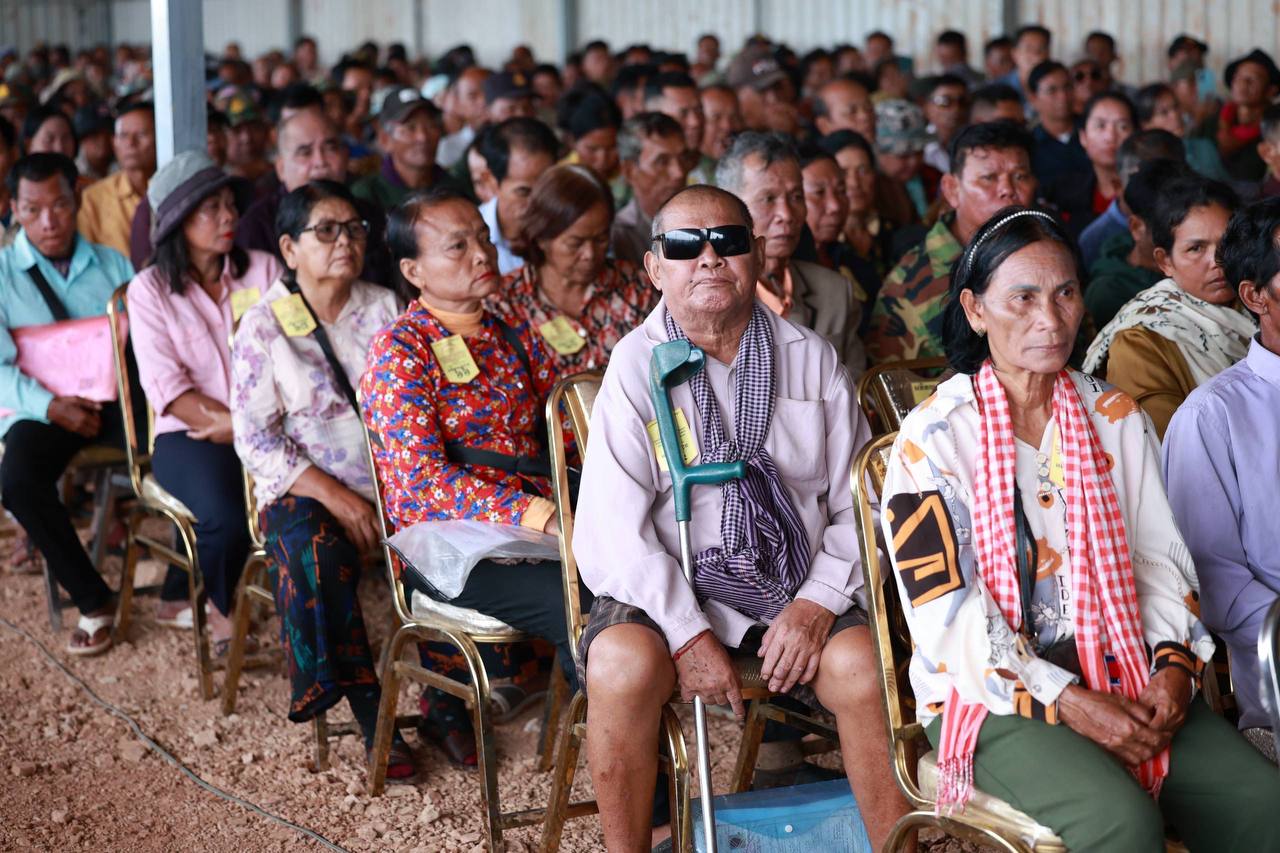 Cambodia Expands Health-Care Social Security Coverage to Retired Generals and Admirals
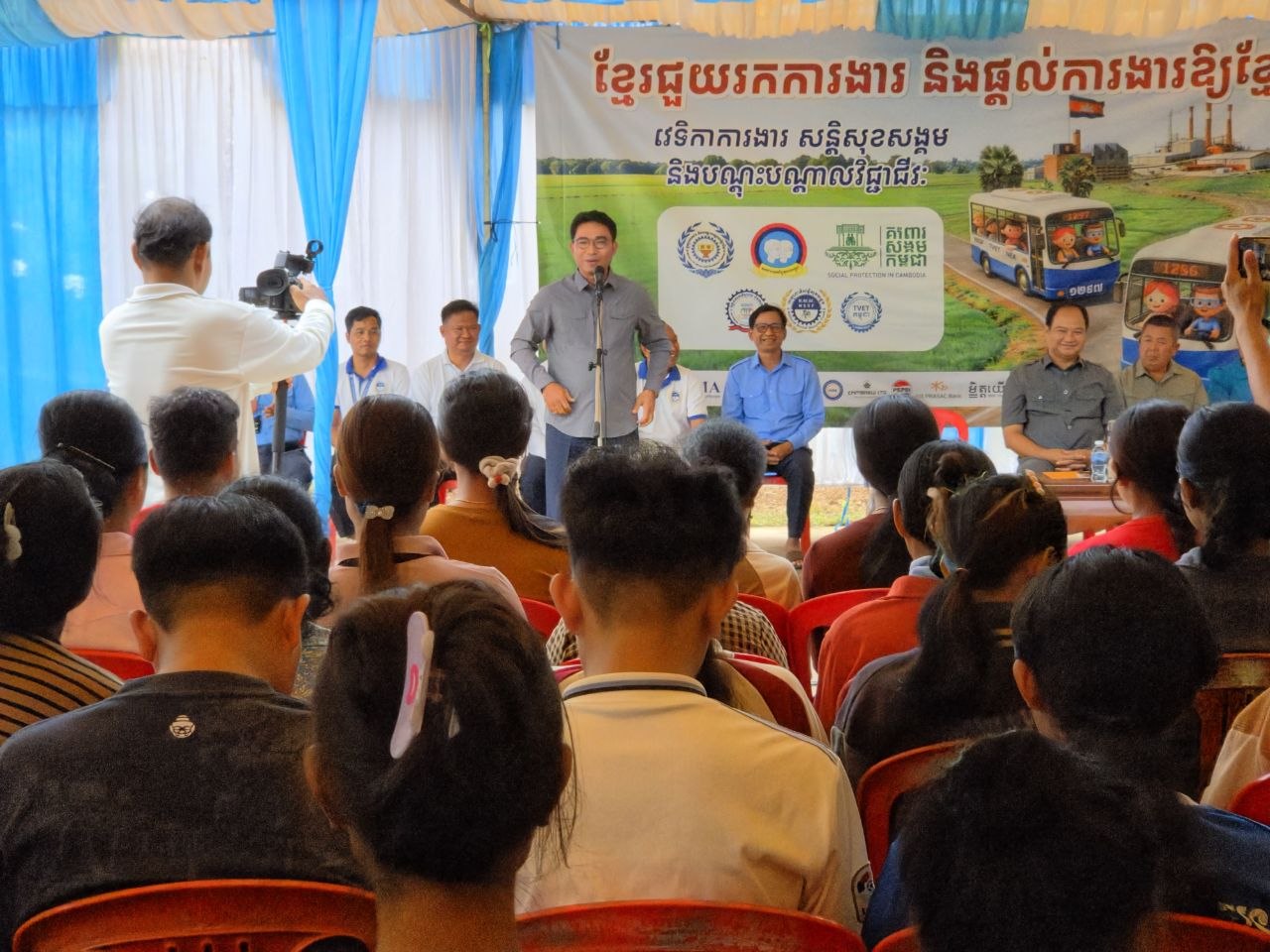 Preah Vihear Holds Job Forum to Help Returning Migrants, Youth Find Local Work
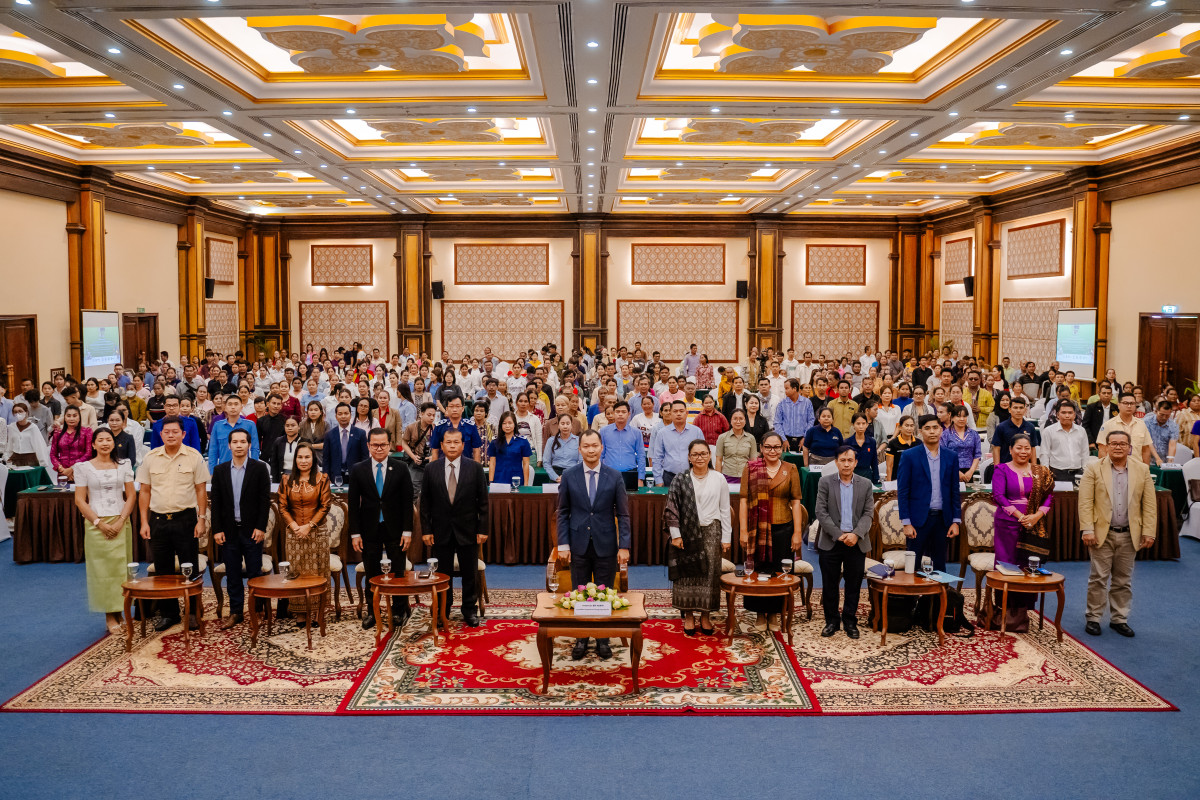 Government, Partners Push Decent Work for Informal Workers
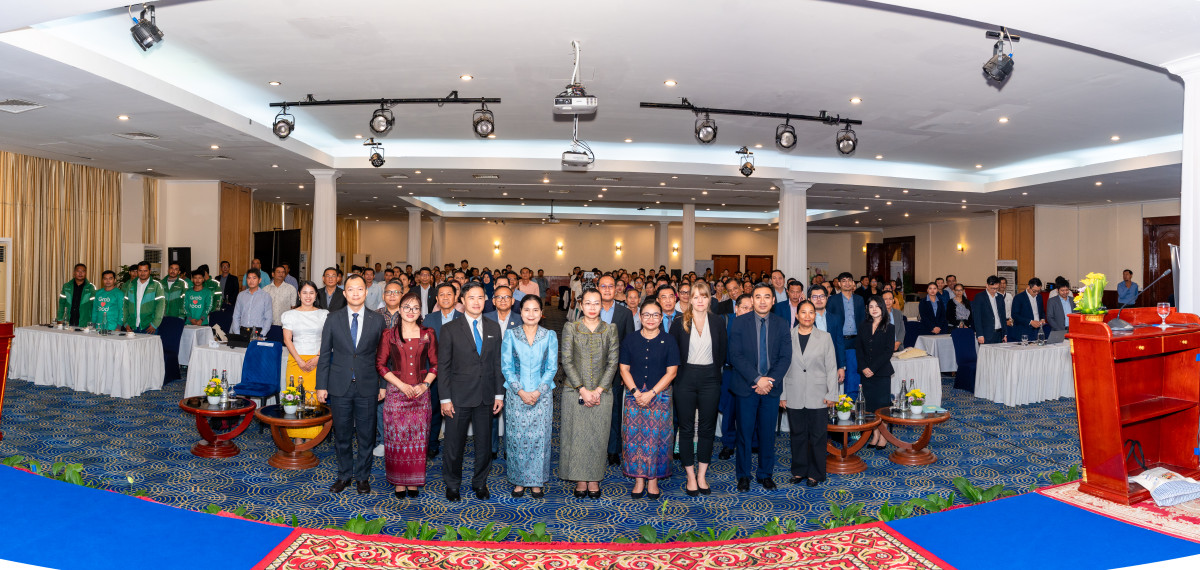 Cambodia Pushes to Expand Social Protection for Formal and Informal Workers
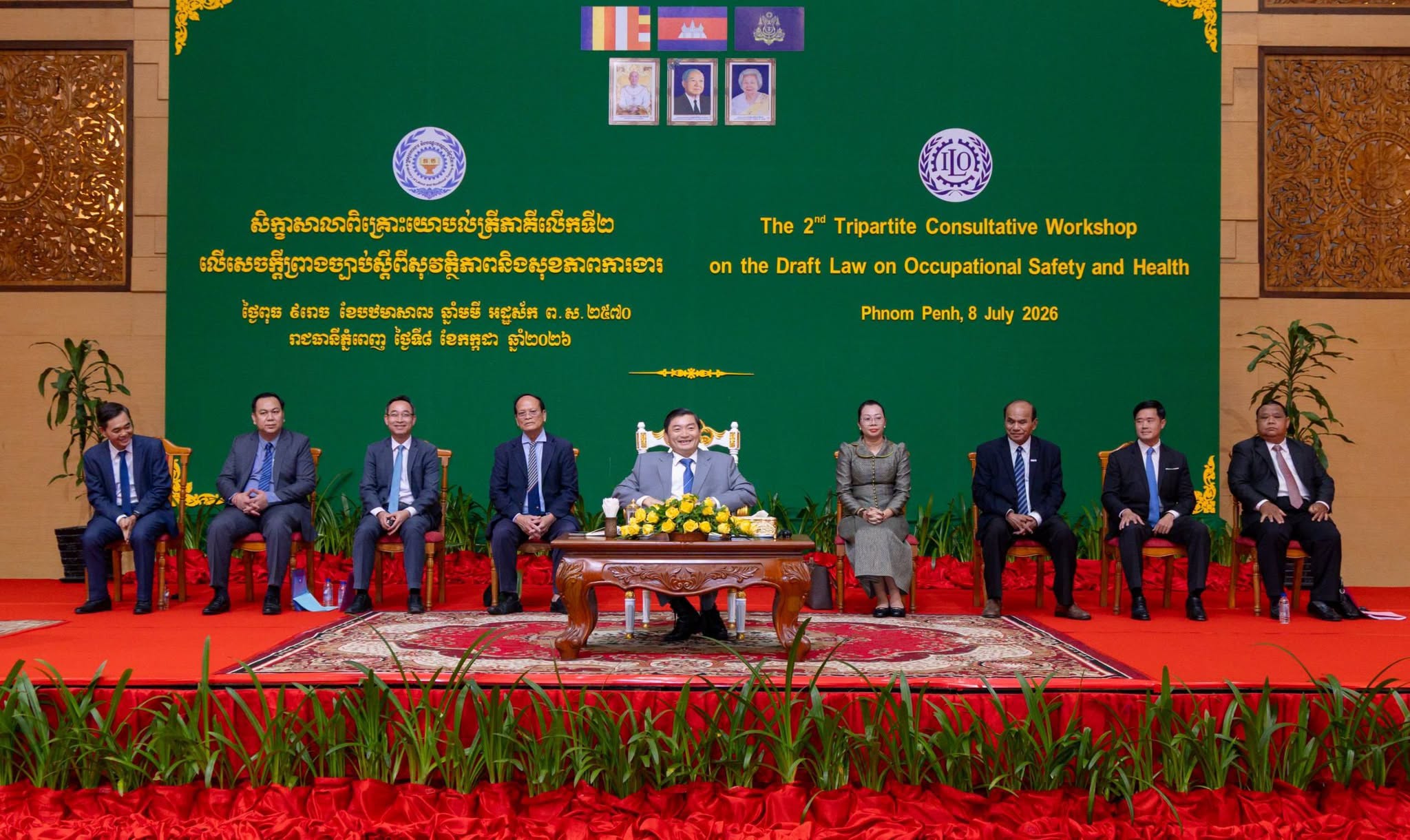 Cambodia Takes Another Step Toward Enacting an Occupational Safety and Health Law
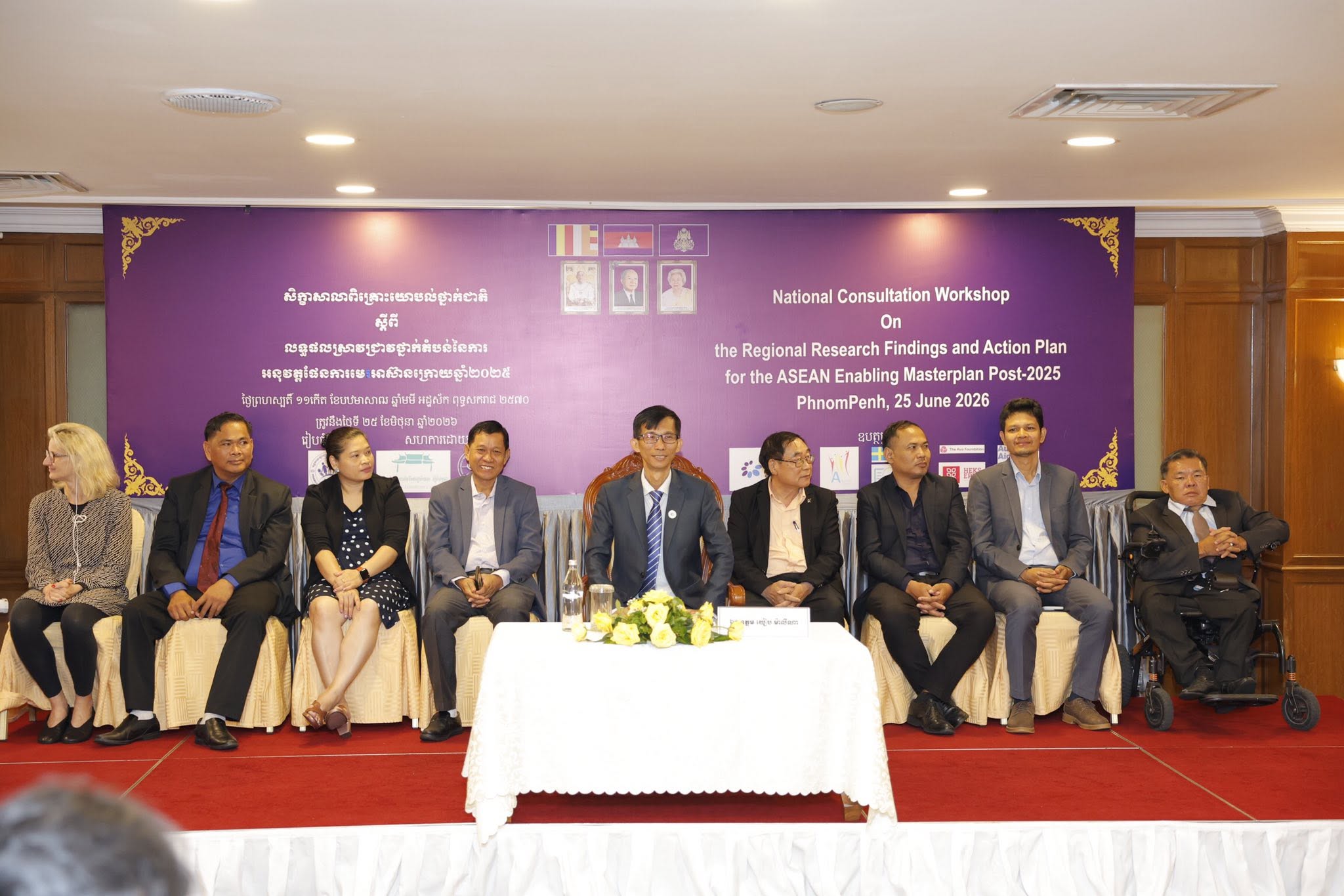 Cambodian Civil Society Calls on ASEAN to Strengthen Disability Rights in Post-2025 Regional Masterplan
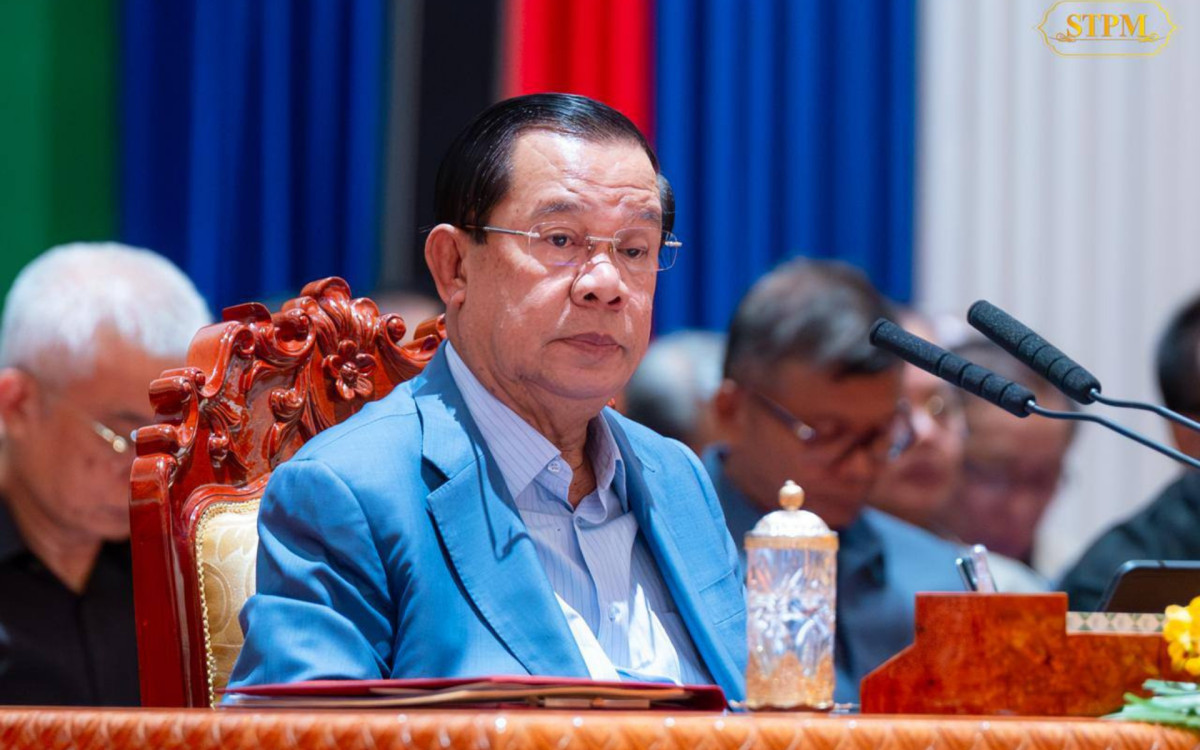 Acting Head of State Warns Corrupt Officials and Smugglers Over Illegal Thai Imports
 Oxfam Highlights Women’s Hidden Contributions to Cambodia’s Agri-Food Sector and the Importance of Social Protection
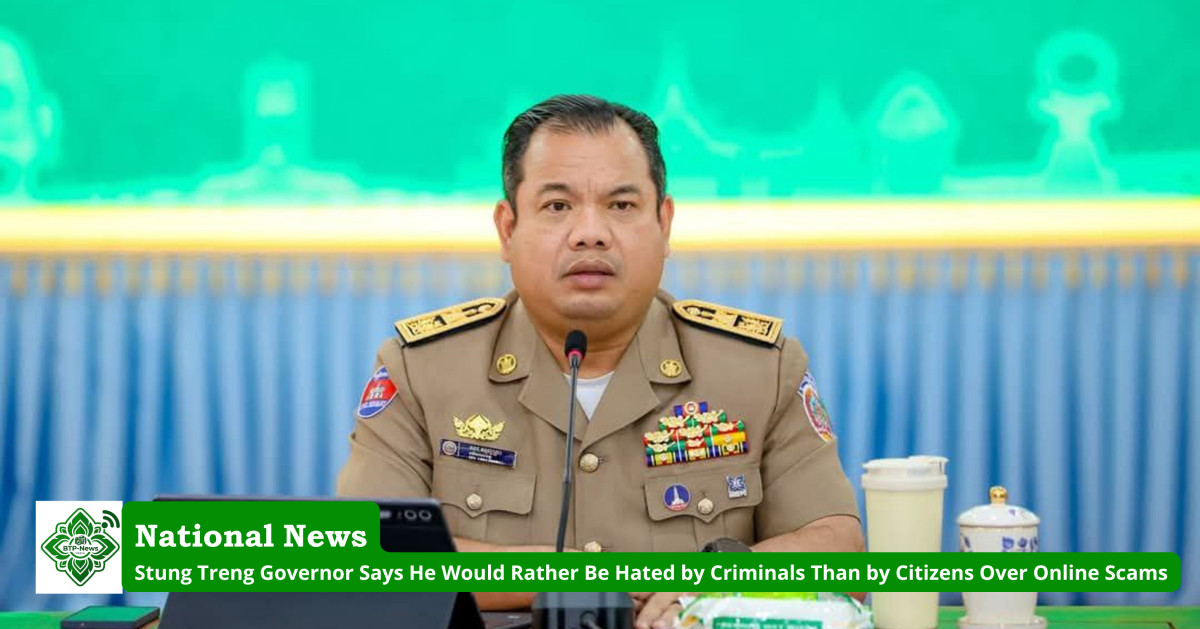 Stung Treng Governor Says He Would Rather Be Hated by Criminals Than by Citizens Over Online Scams
21-សីហា-2026 - ម៉ោង 12:18:PM
29-កក្តដា-2026 - ម៉ោង 05:32:PM
22-កក្តដា-2026 - ម៉ោង 03:10:PM
11-កក្តដា-2026 - ម៉ោង 03:05:PM
© ២០២៣ រក្សាសិទ្ធិគ្រប់យ៉ាងដោយ BAITONGPOST
#35,St 1013, Phnom Penh Thmei, Sen Sok, , Phnom Penh, Cambodia
