
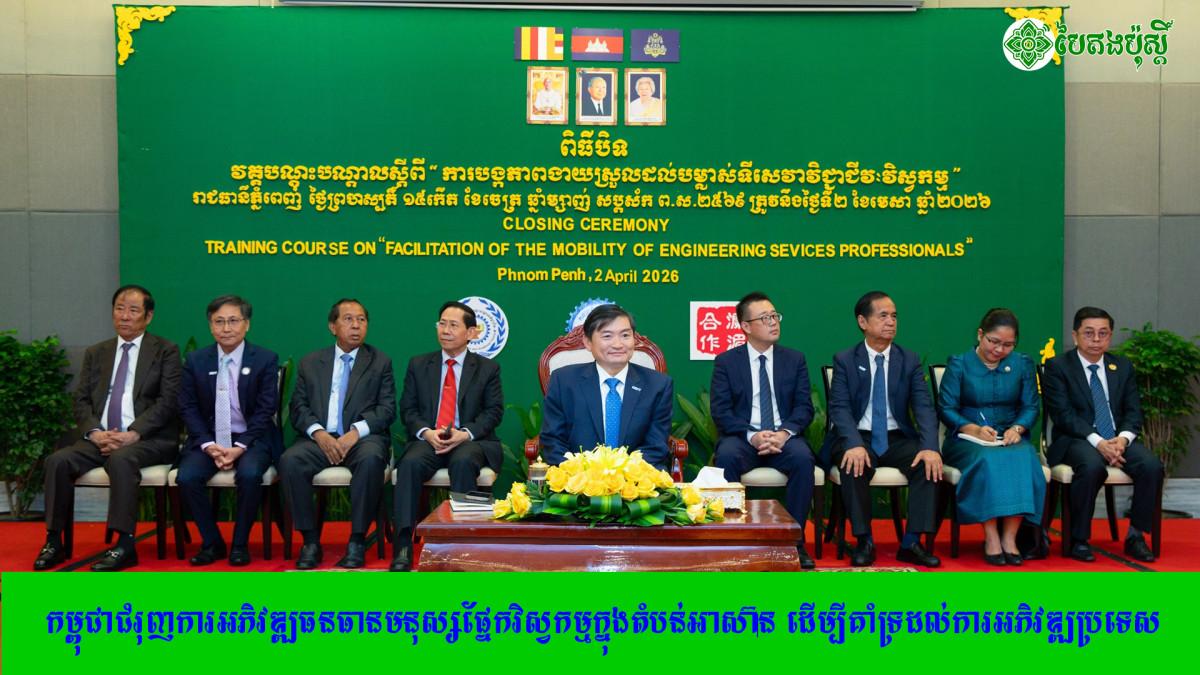
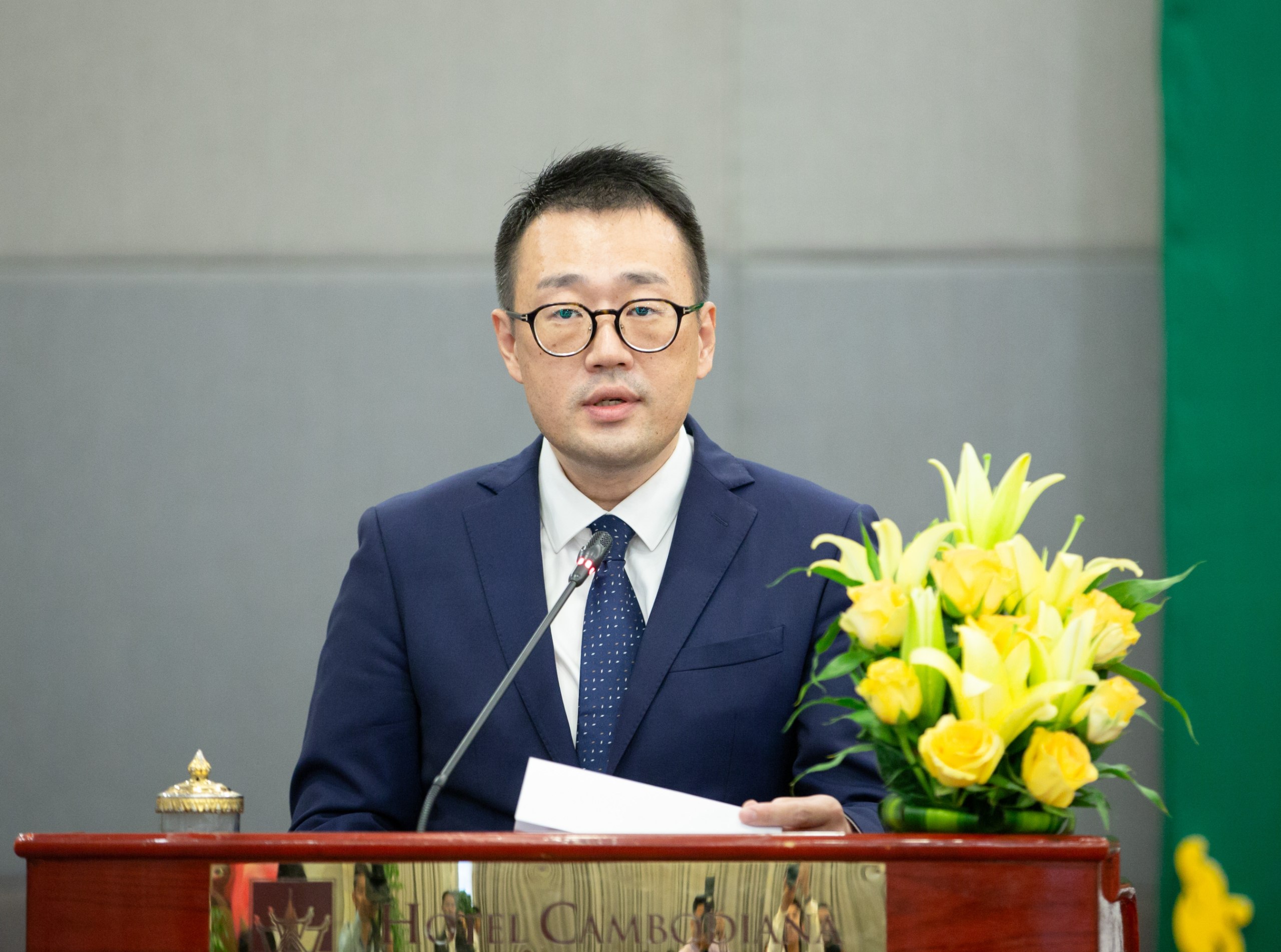
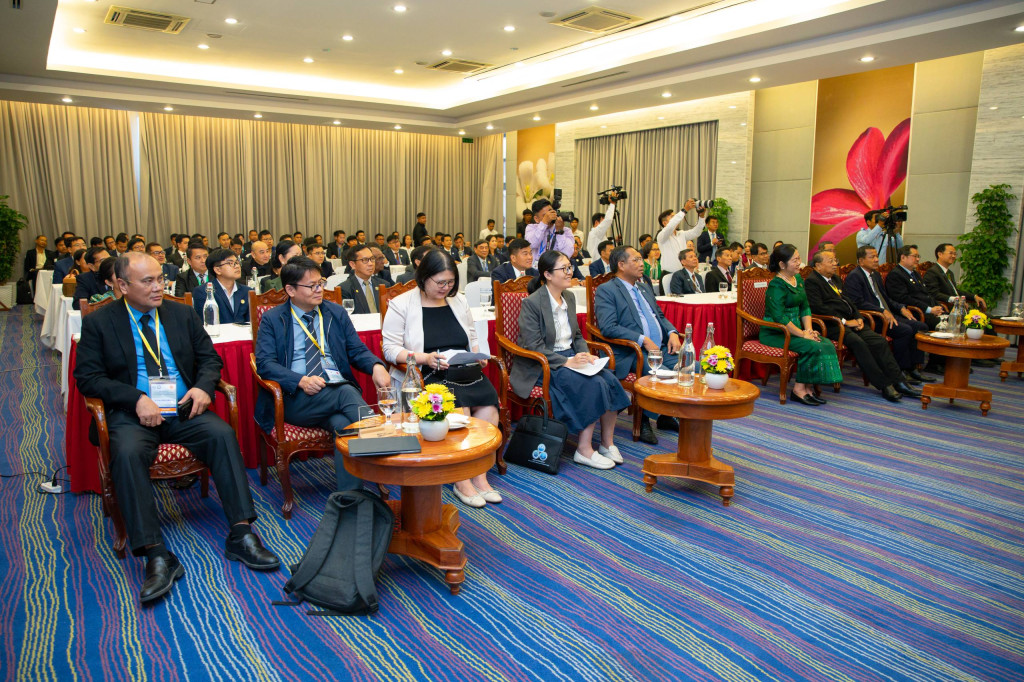
Phnom Penh, April 2, 2026 — Speaking at the closing ceremony of a training course on “Facilitating Mobility of Engineering Services” held at the Cambodiana Hotel, H.E. Heng Sour, Minister of Labour and Vocational Training and Chairman of the Board of Engineers Cambodia, underscored the importance of strengthening engineers’ capacity and enhancing regional cooperation. He noted that such collaboration goes beyond technical exchange, offering valuable opportunities to learn innovative approaches for advancing the construction sector across ASEAN.
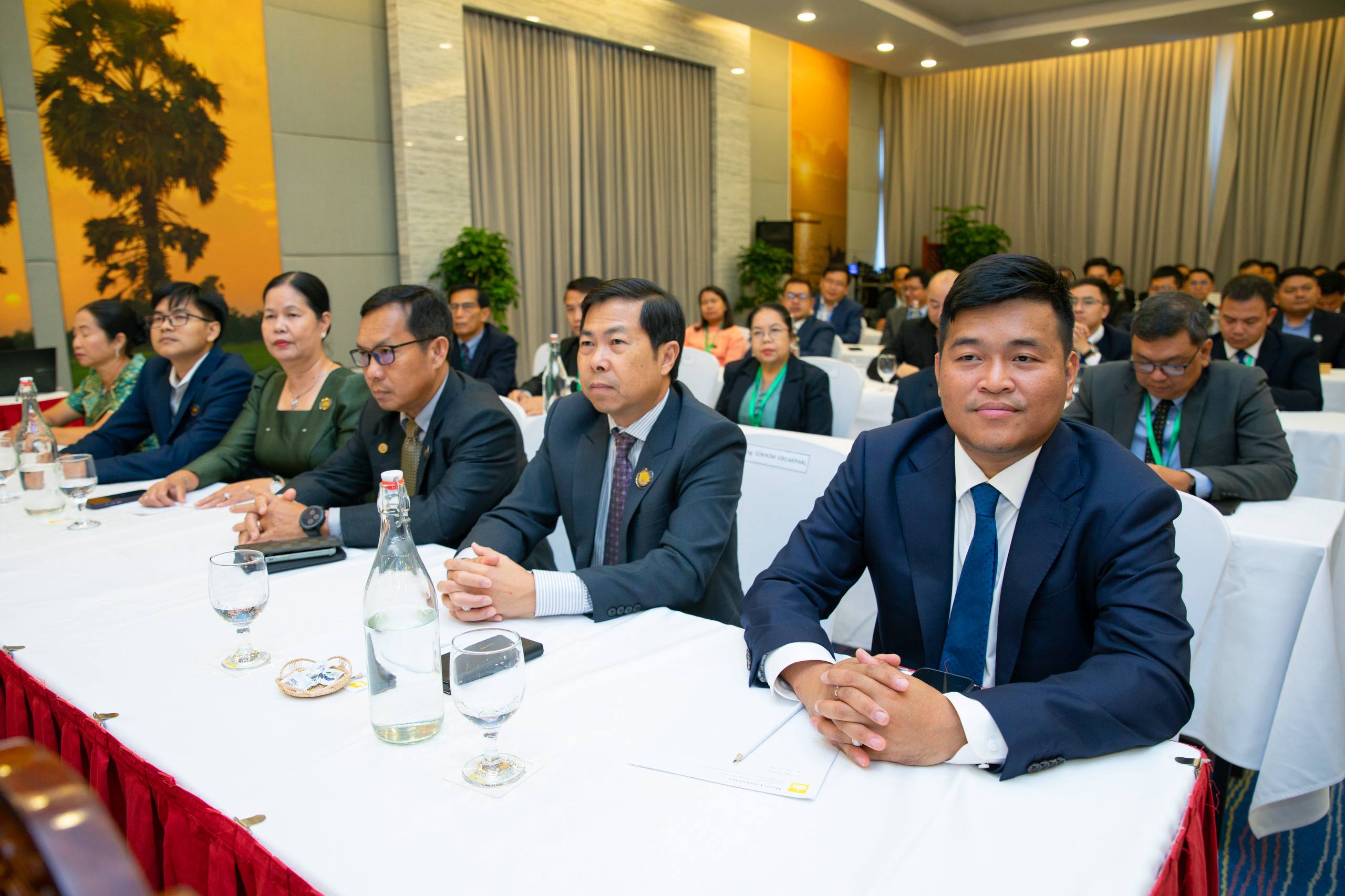
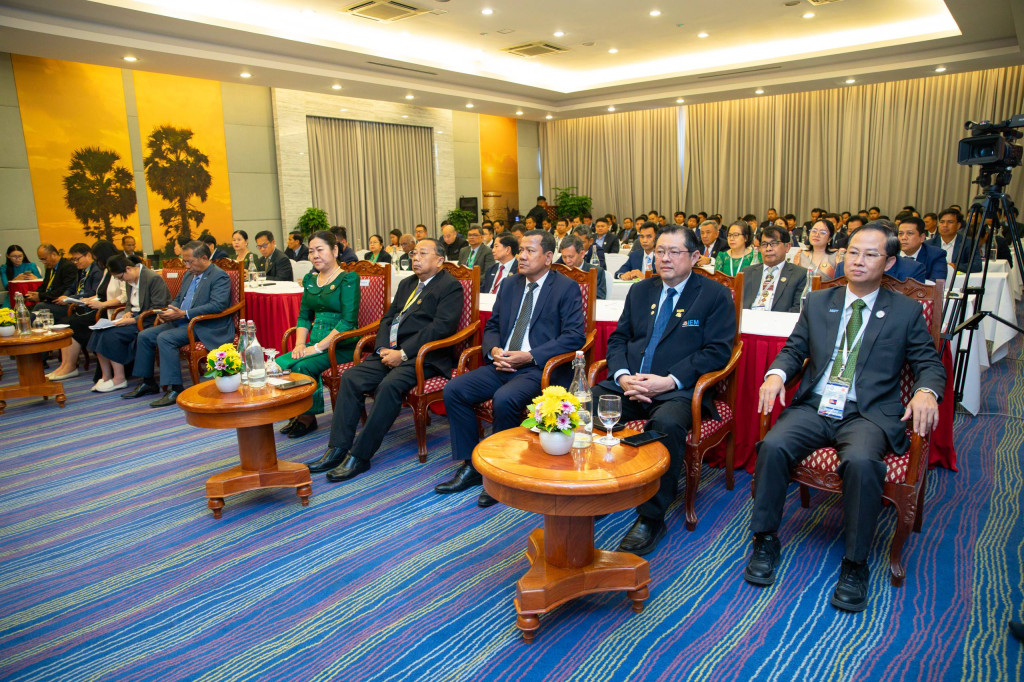
Congratulating 62 trainees (including four women) from the Mekong subregion—comprising engineers from Cambodia, Vietnam, Lao PDR, and Myanmar—on successfully completing the training, the Minister expressed deep appreciation to the Board of Engineers Cambodia (BEC) and the Mekong–Lancang Cooperation Special Fund for jointly organizing the program. He emphasized that, beyond technical exchange, the initiative reflects a shared commitment to elevating engineering standards to global levels.
H.E. Heng Sour described the theme as central to the collective mission of the ASEAN Economic Community, noting that the success of Mekong–Lancang cooperation clearly demonstrates joint efforts in knowledge-sharing, skills development, and experience exchange in the engineering sector. He highlighted the spirit of “Shared River, Shared Future,” and stressed that the ASEAN Mutual Recognition Arrangement (MRA) on Engineering Services remains a key foundation for facilitating the mobility of engineers and enhancing information exchange.
He further reaffirmed that the Royal Government of Cambodia, under the leadership of Prime Minister Hun Manet, is actively implementing the Pentagonal Strategy – Phase 1, which places human capital development at its core. The strategy aims to ensure that “every citizen acquires at least one lifelong skill” and that no one is left behind, including through strengthening professional competencies and standards in engineering. In this regard, the government will continue to fully support BEC as a key institution in training, research, and capacity development, while upholding professional ethics and enhancing the sector’s competitiveness on the global stage.
On the occasion, the Minister also encouraged engineers to translate their knowledge into meaningful practical action rather than leaving it at the theoretical level. Noting the relatively low participation of women in the field, he called for greater involvement of women in engineering, emphasizing that female engineers are highly valuable, as the sector increasingly relies on intelligence, knowledge, and services—not solely on construction or physically demanding work.
Meanwhile, Mr. Chen Cong, Counselor at the Chinese Embassy in Cambodia, highlighted the crucial role of engineering services in driving infrastructure development, economic growth, and regional connectivity—particularly in the Mekong region. He stressed that strengthening engineers’ qualifications is essential for professional mobility, capacity enhancement, and the effective delivery of engineering services.
The Mekong–Lancang Cooperation project has responded to these needs by providing training aligned with emerging trends in the global civil engineering industry, thereby contributing to sustainable socio-economic development in Cambodia and the broader region.


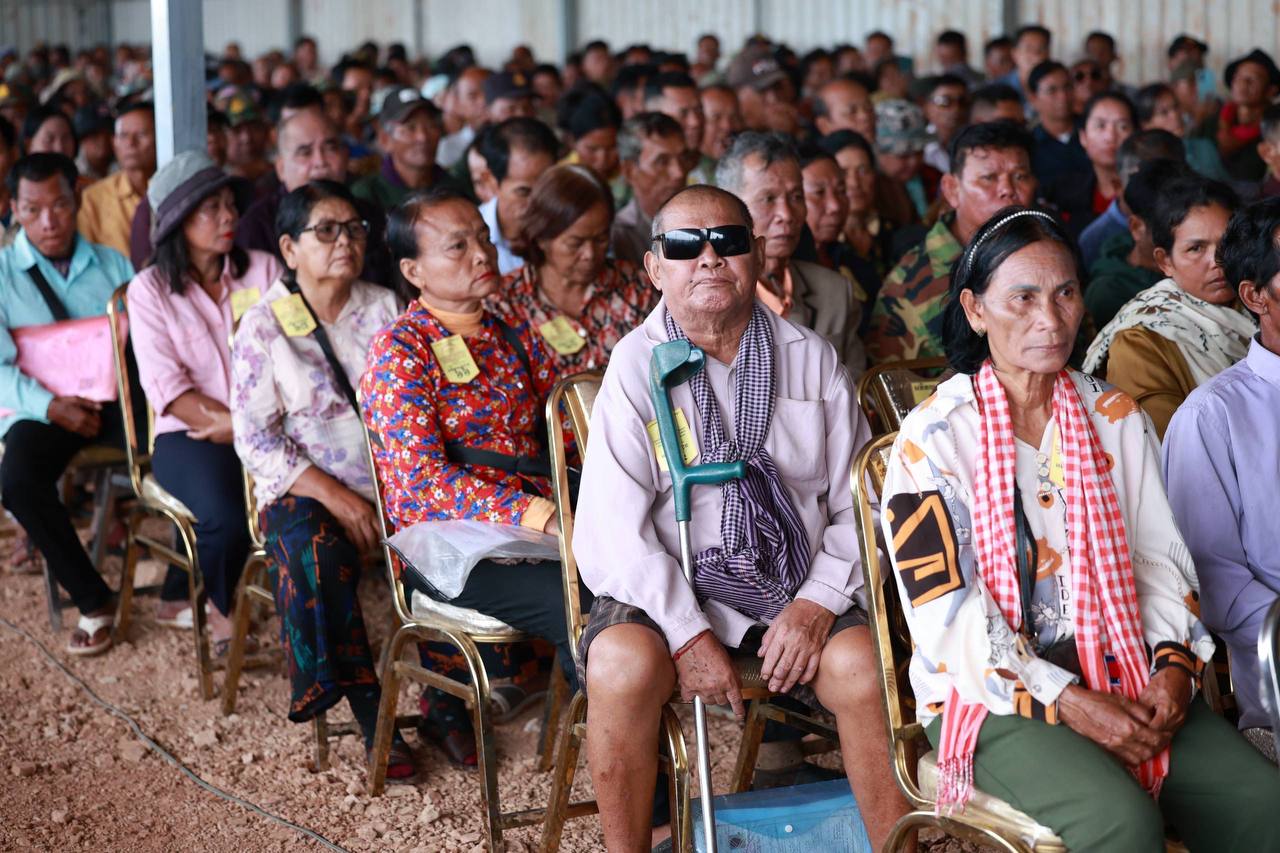 Cambodia Expands Health-Care Social Security Coverage to Retired Generals and Admirals
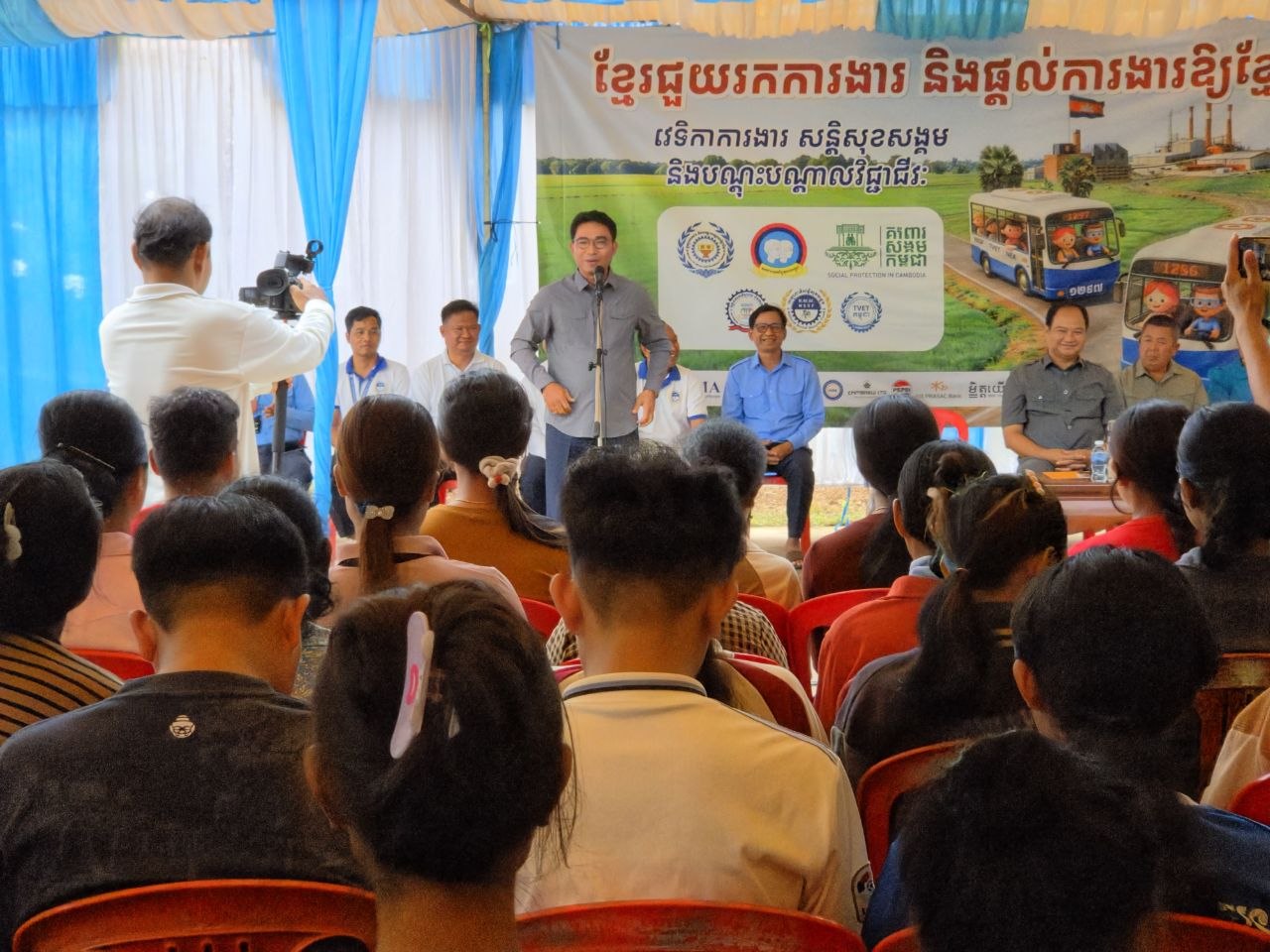 Preah Vihear Holds Job Forum to Help Returning Migrants, Youth Find Local Work
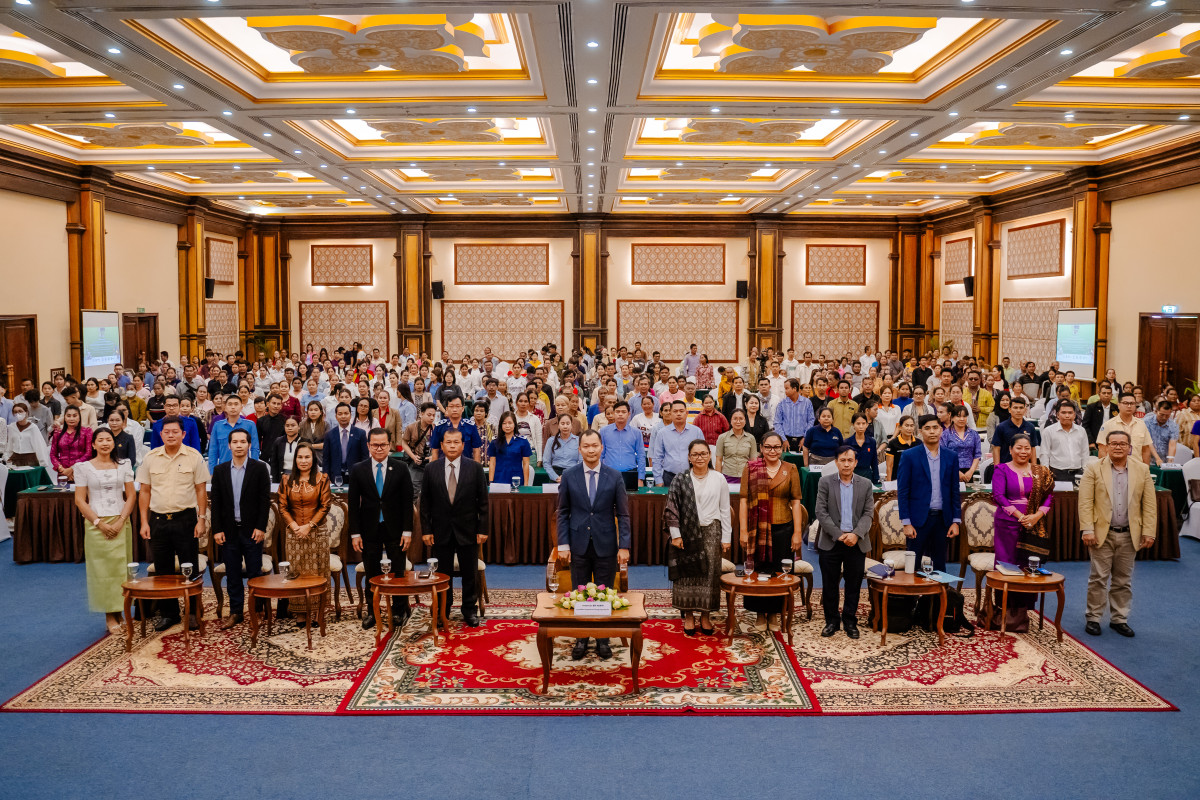 Government, Partners Push Decent Work for Informal Workers
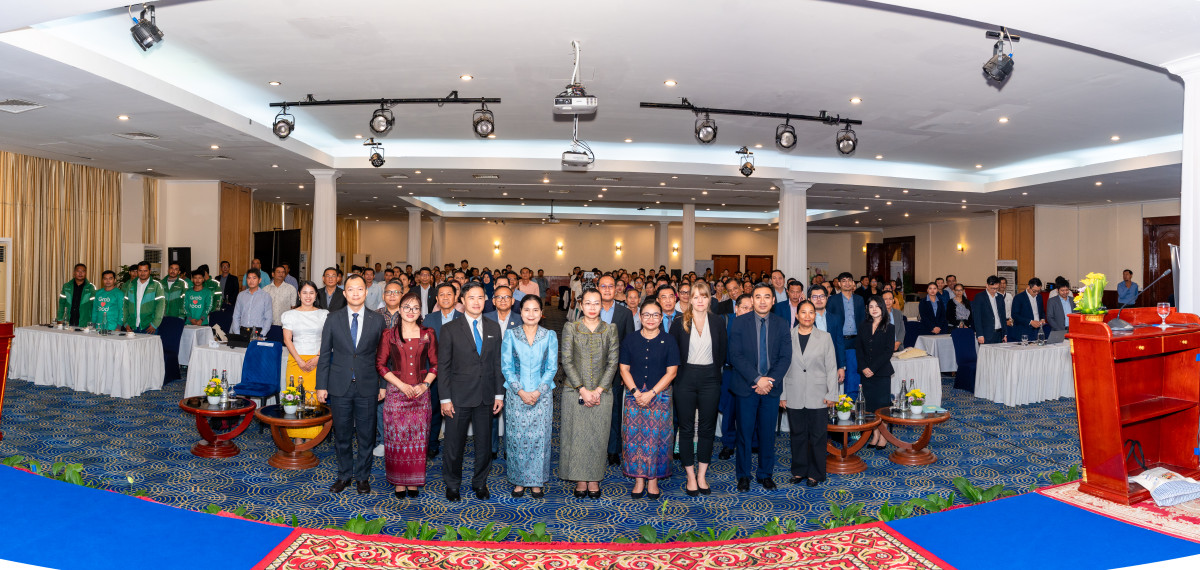 Cambodia Pushes to Expand Social Protection for Formal and Informal Workers
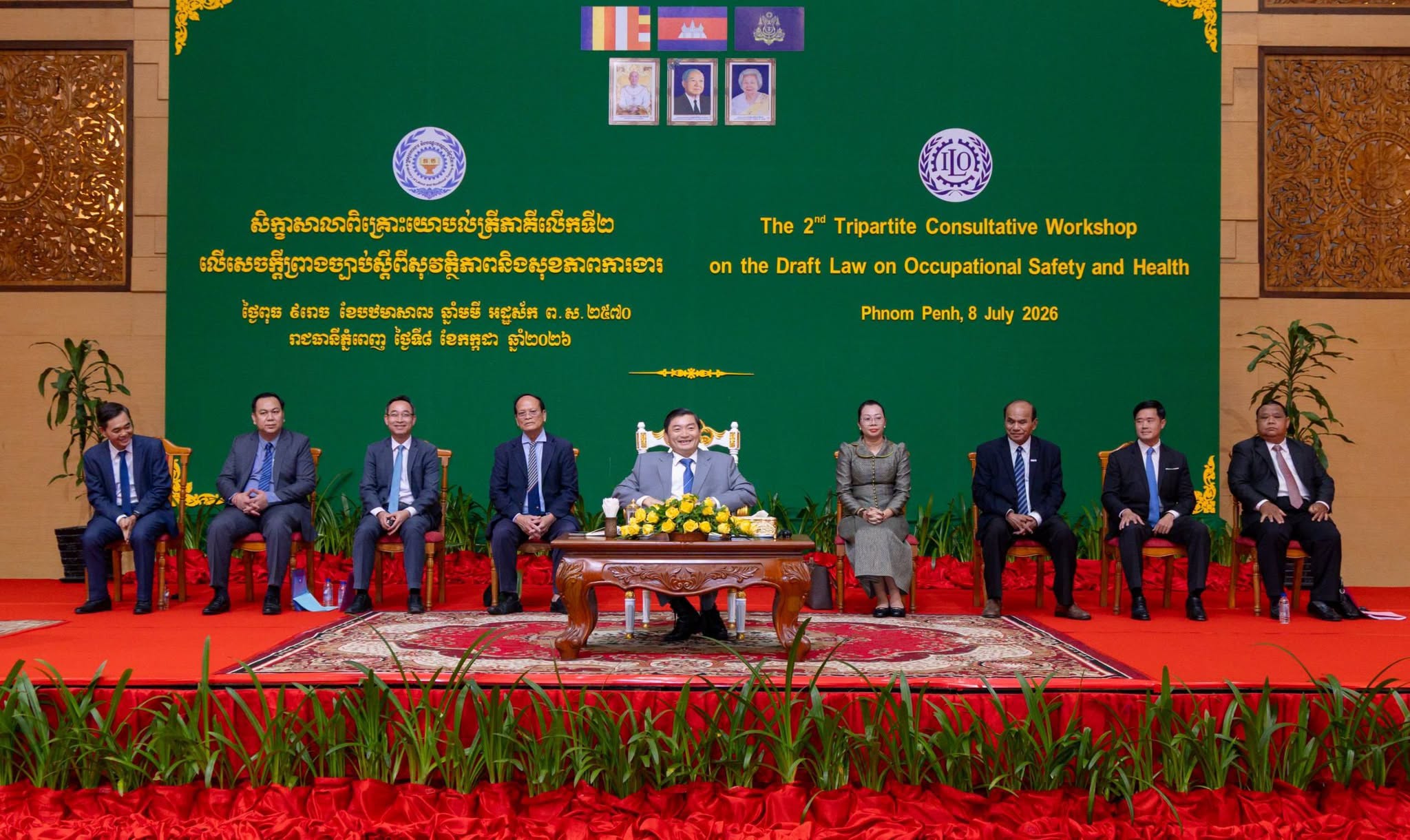 Cambodia Takes Another Step Toward Enacting an Occupational Safety and Health Law
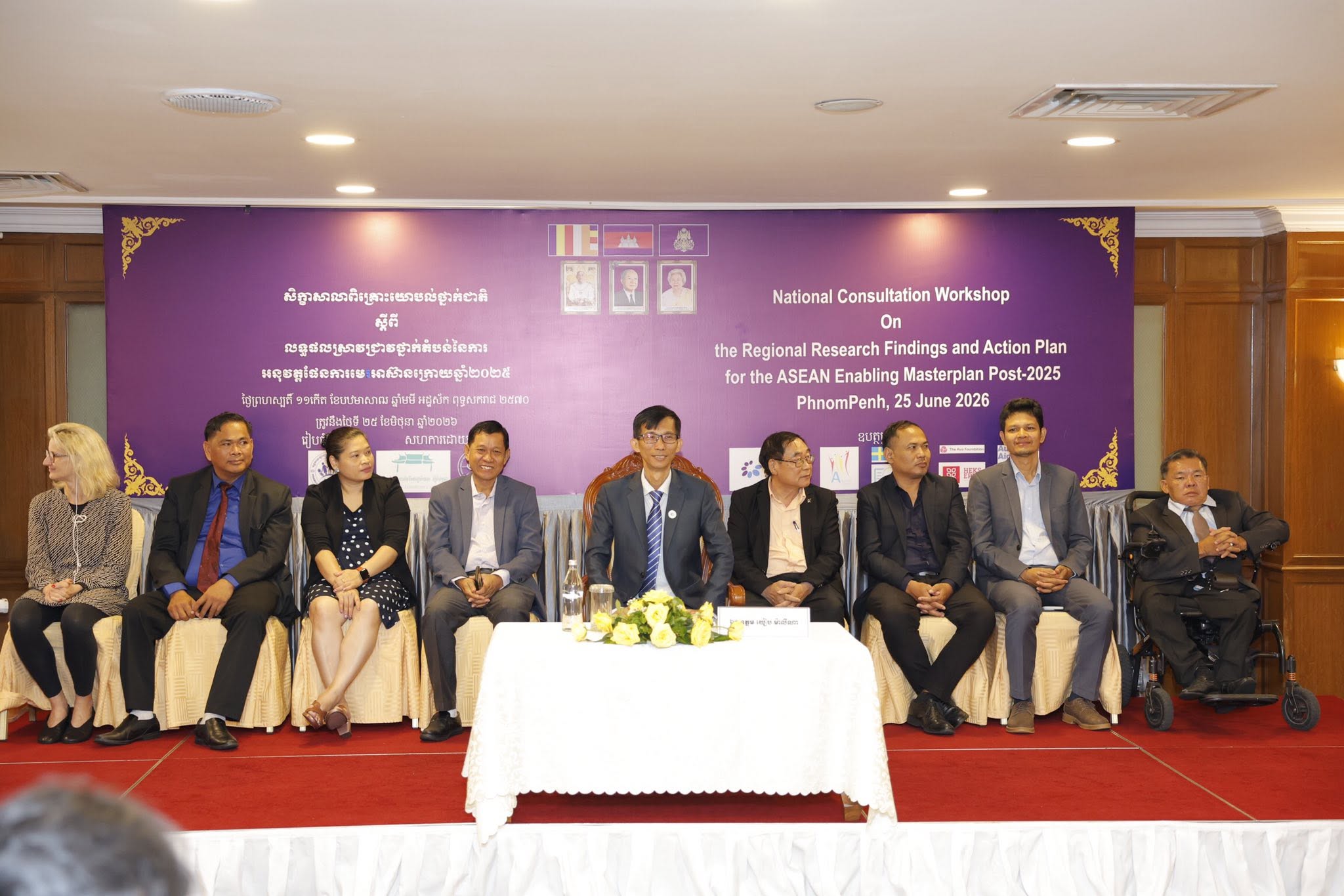 Cambodian Civil Society Calls on ASEAN to Strengthen Disability Rights in Post-2025 Regional Masterplan
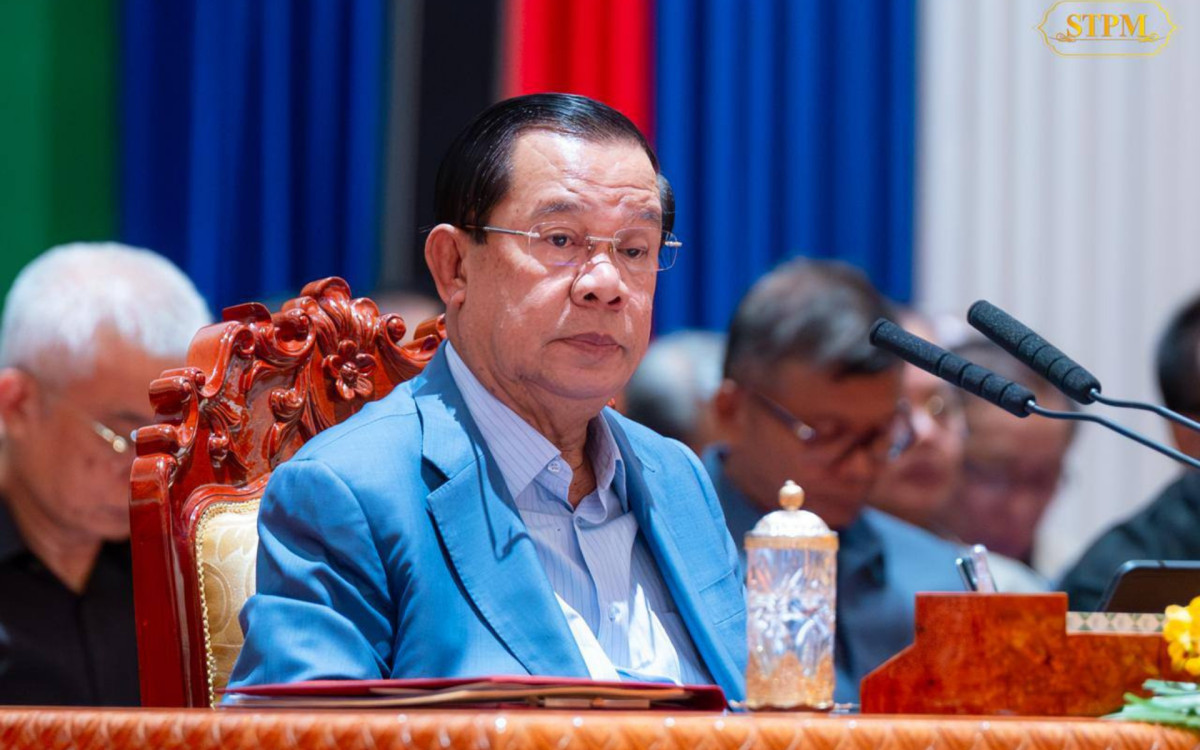 Acting Head of State Warns Corrupt Officials and Smugglers Over Illegal Thai Imports
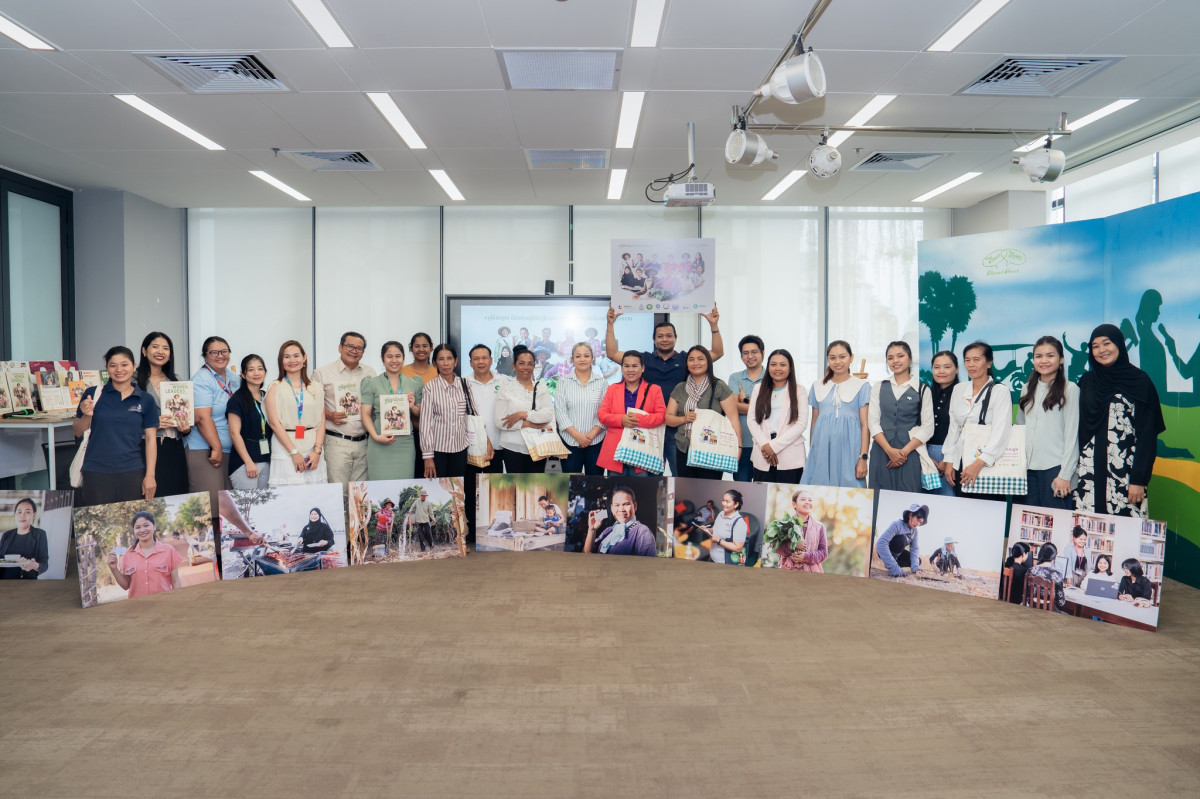 Oxfam Highlights Women’s Hidden Contributions to Cambodia’s Agri-Food Sector and the Importance of Social Protection
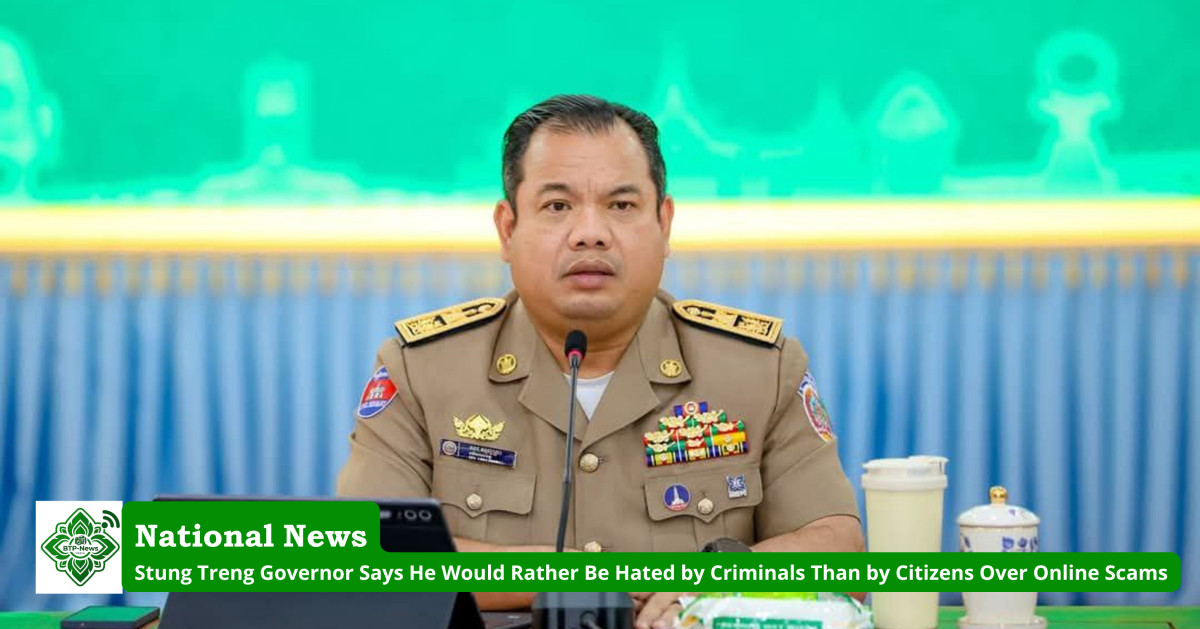 Stung Treng Governor Says He Would Rather Be Hated by Criminals Than by Citizens Over Online Scams
21-សីហា-2026 - ម៉ោង 12:18:PM
29-កក្តដា-2026 - ម៉ោង 05:32:PM
22-កក្តដា-2026 - ម៉ោង 03:10:PM
11-កក្តដា-2026 - ម៉ោង 03:05:PM

© ២០២៣ រក្សាសិទ្ធិគ្រប់យ៉ាងដោយ BAITONGPOST
#35,St 1013, Phnom Penh Thmei, Sen Sok, , Phnom Penh, Cambodia
