
BAITONGPOST

Social Dialogue Culture Between Civil Society and Government Strengthens on Land, Forest and Natural Resource Governance in Cambodia
28-ឧសភា-2026 - ម៉ោង 07:02:AM

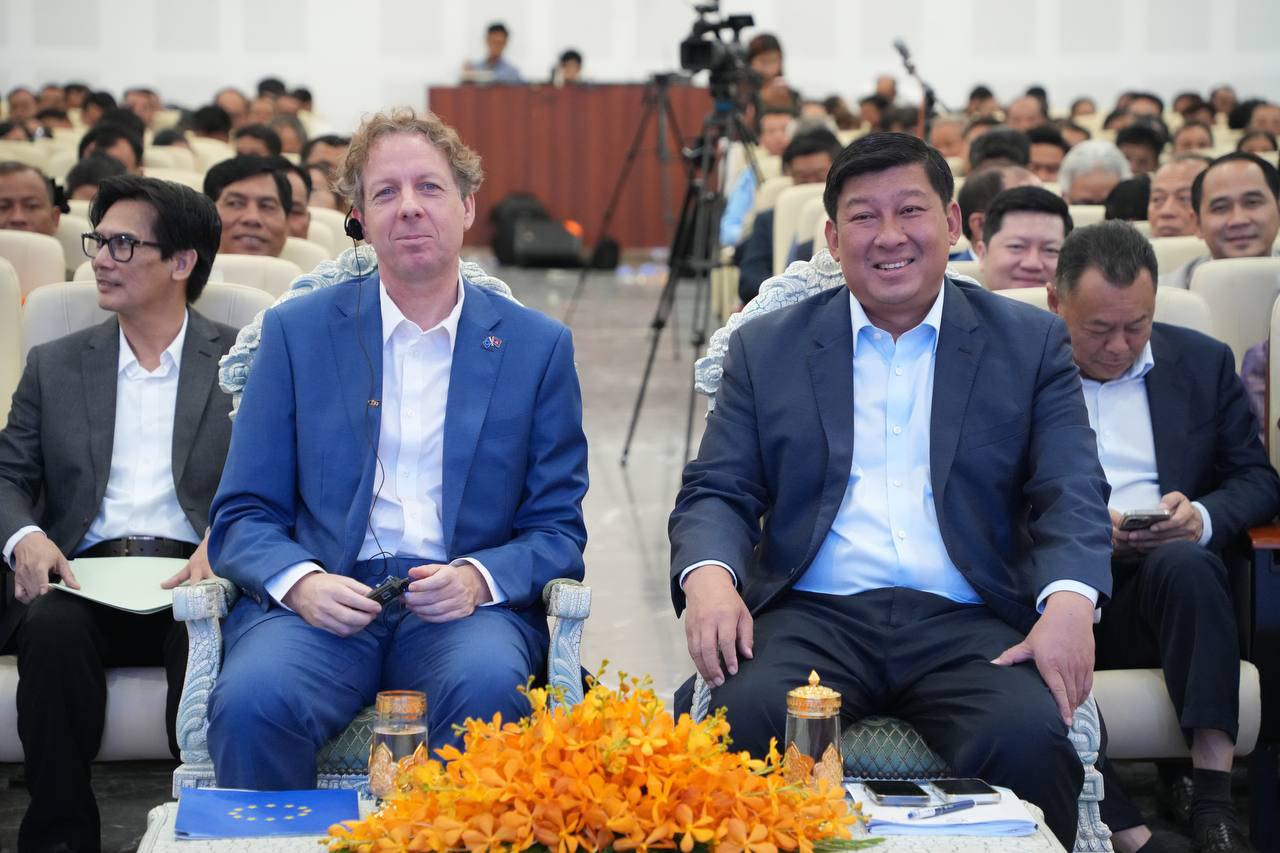
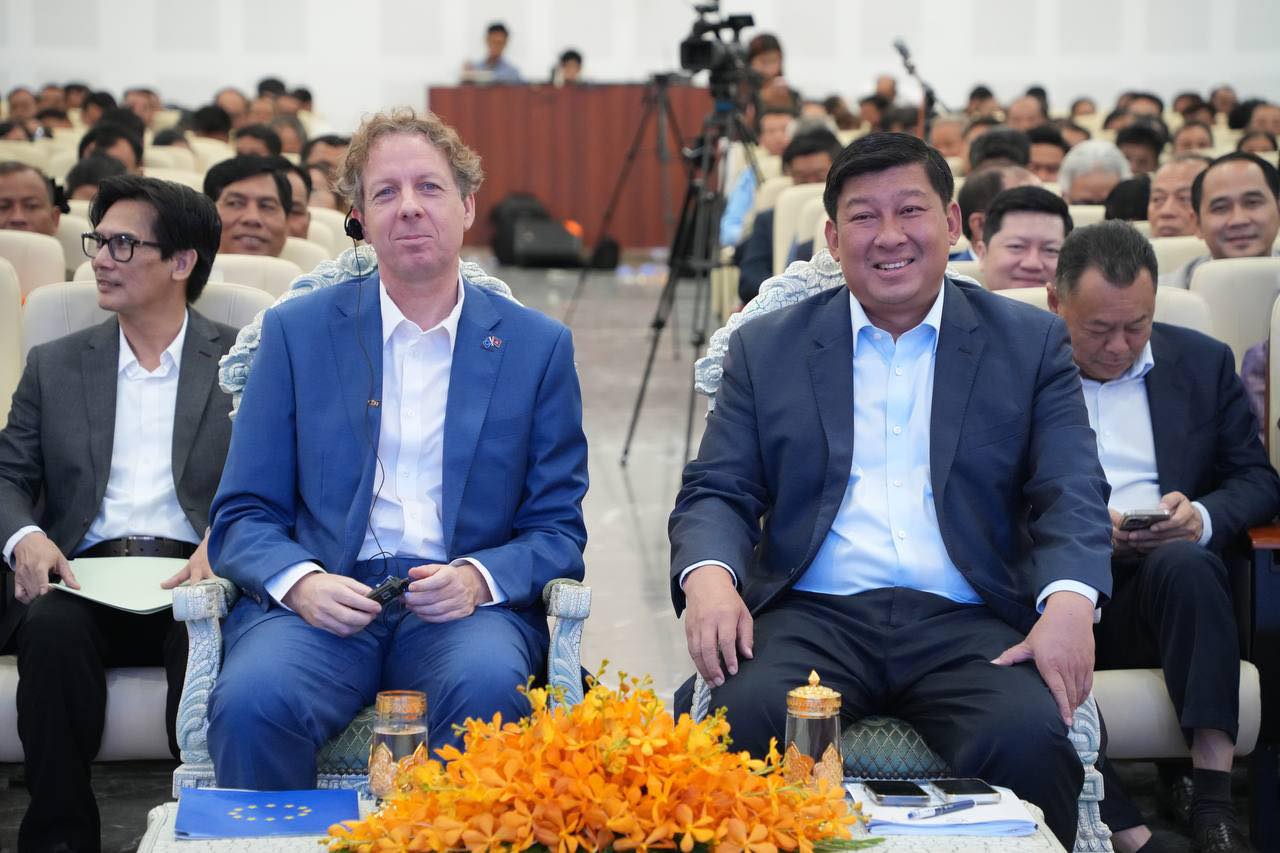
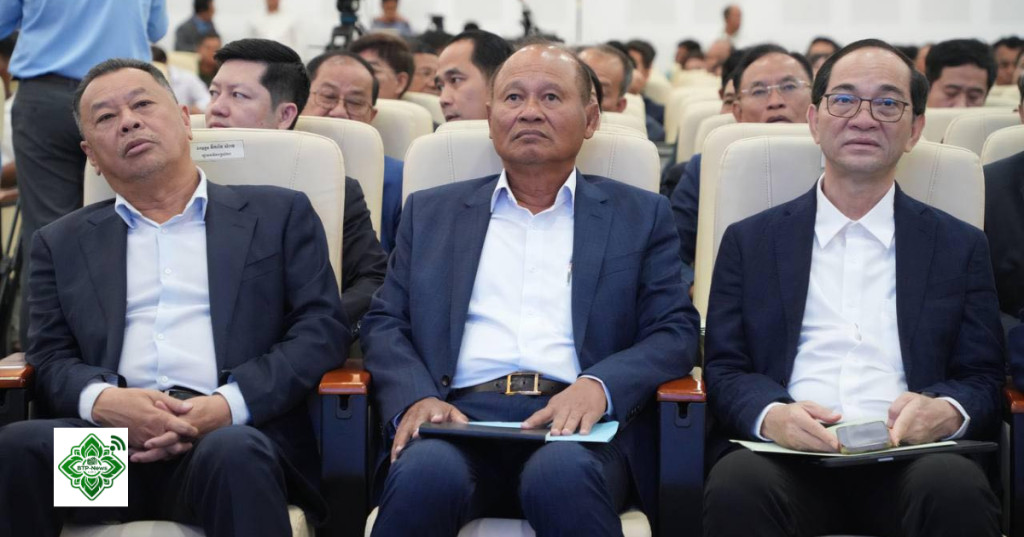
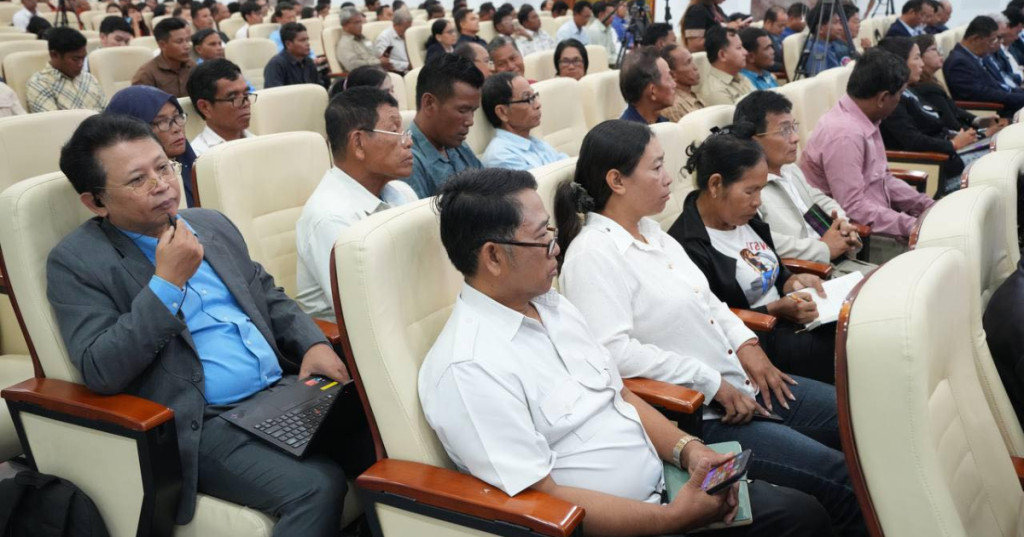
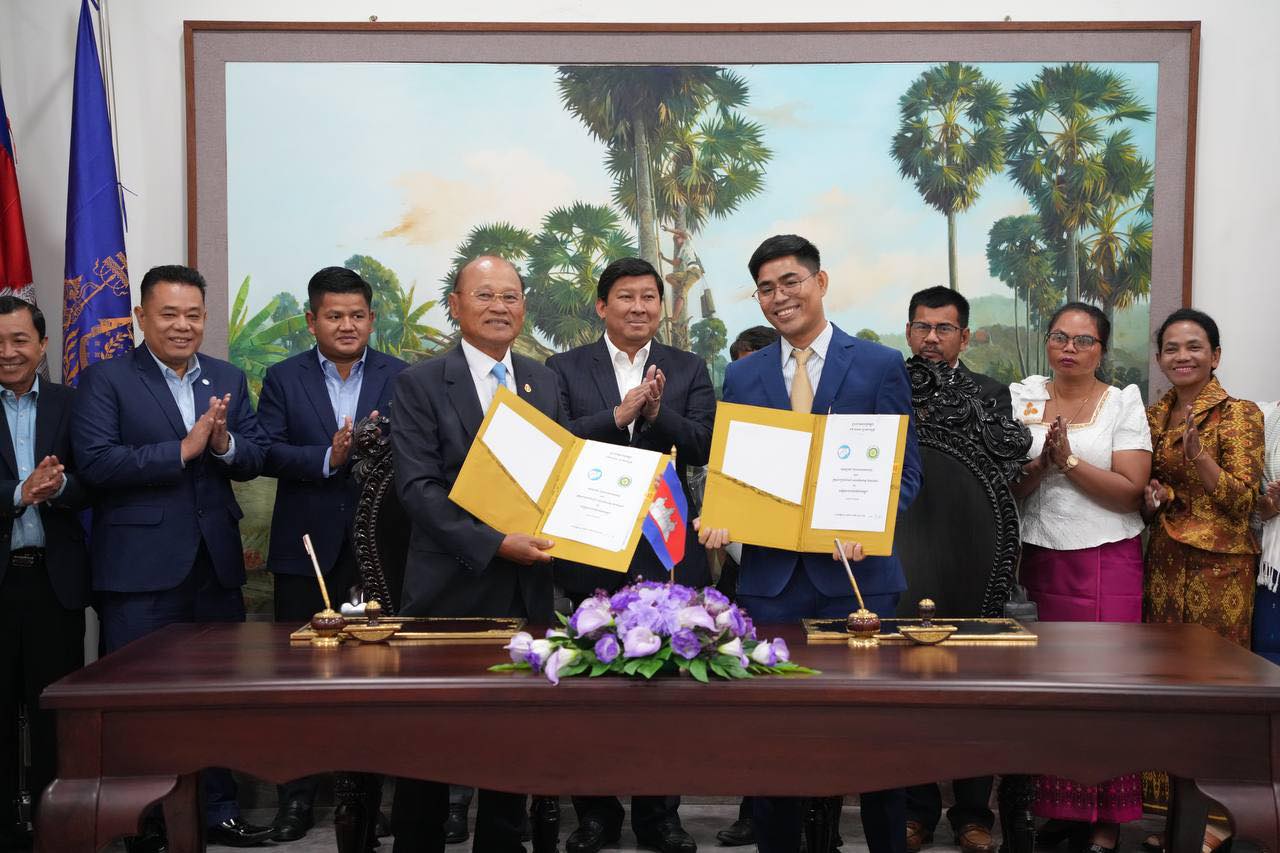
PHNOM PENH — A growing culture of social dialogue and cooperation between the Cambodian government and civil society organizations on land governance, forestry, fisheries, and natural resource management was highlighted during a national consultation workshop held on May 27, 2026, at the headquarters of Ministry of Land Management, Urban Planning and Construction Cambodia’s Ministry of Land Management, Urban Planning and Construction.


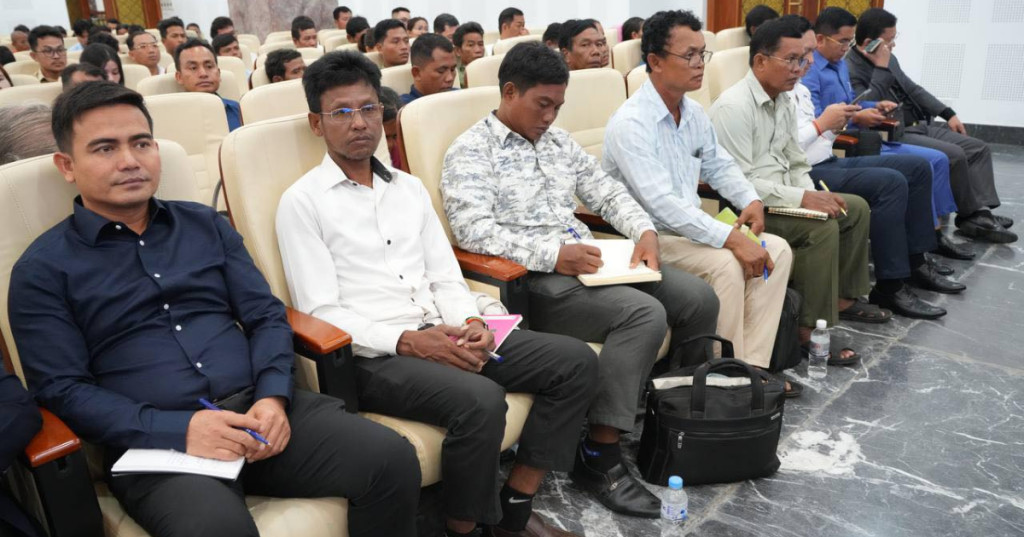
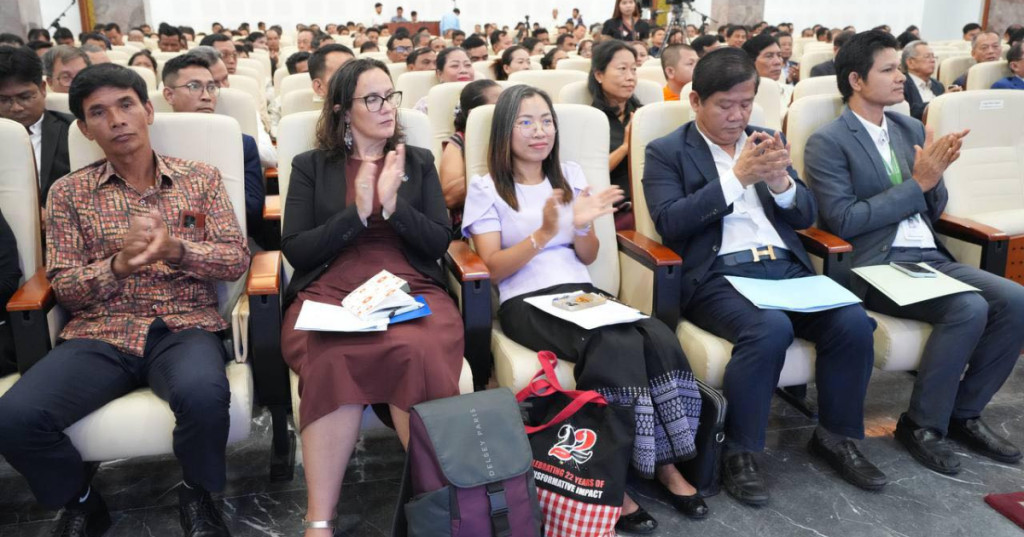
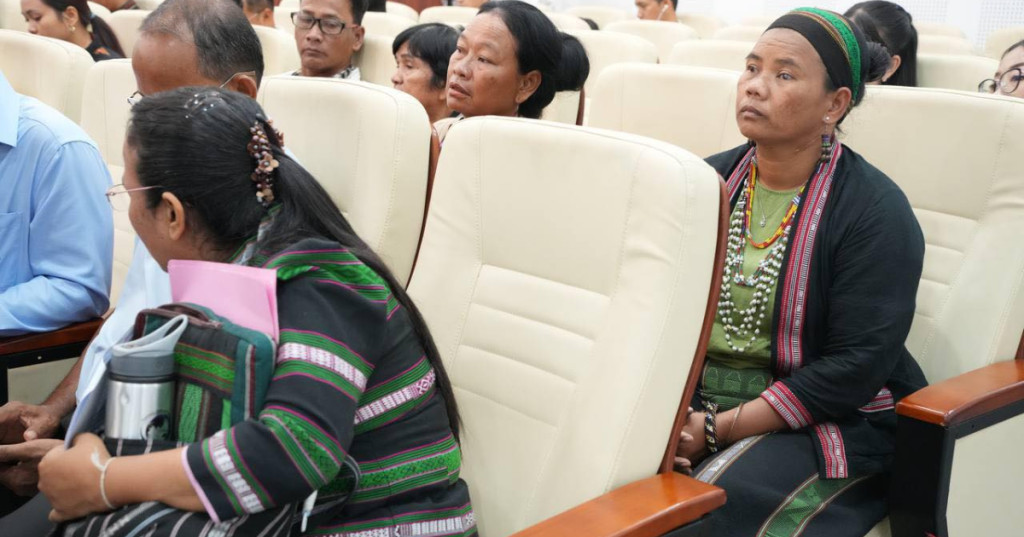
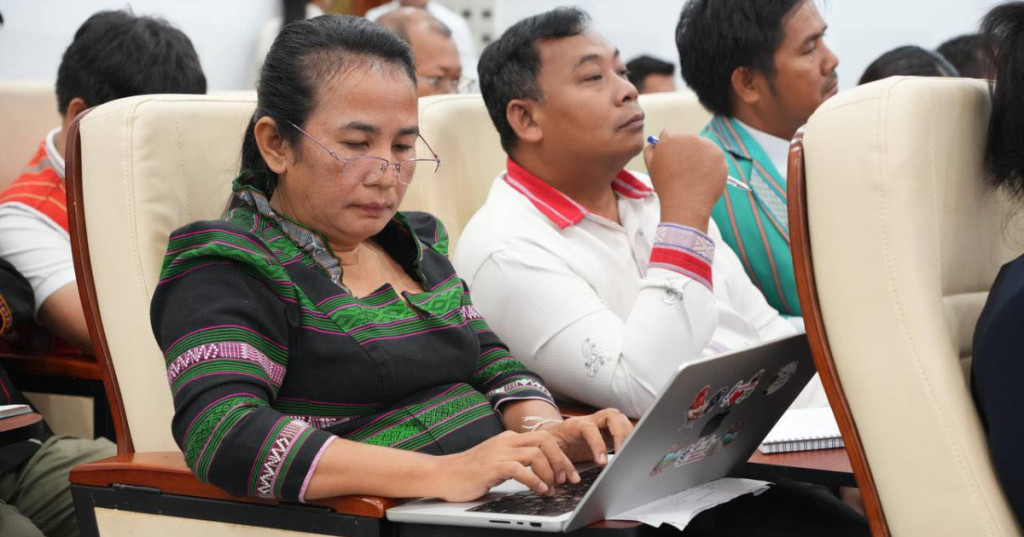
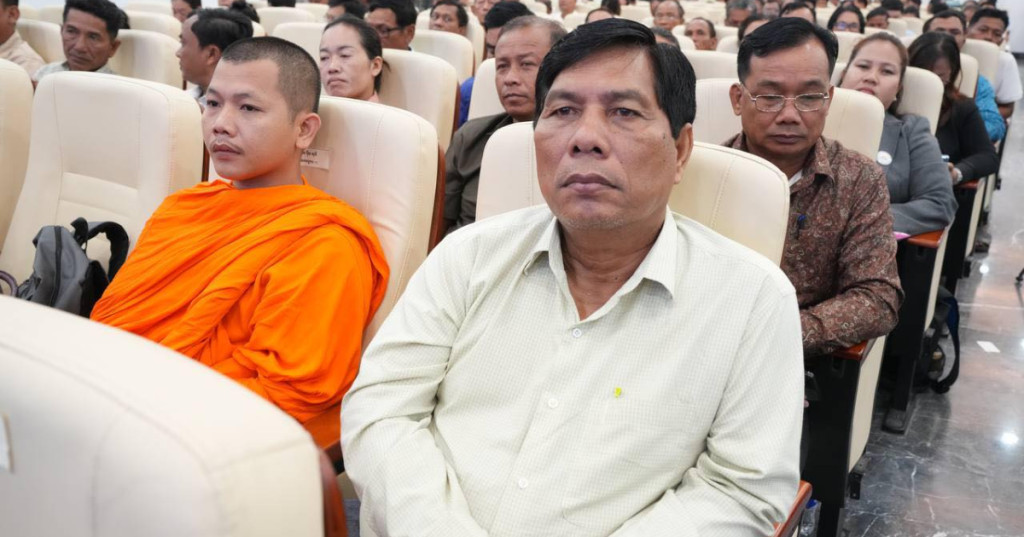
The workshop, focusing on policies related to tenure security, fisheries, forestry, land rights, and environmental governance in Cambodia, brought together government officials, civil society organizations, indigenous representatives, and community leaders from across the country.


According to a statement published on the ministry’s official Facebook page, the event aimed to promote inclusive social dialogue and collaborative problem-solving on challenges affecting local communities, with the broader objective of contributing to peaceful, equitable, and sustainable national development.


Representatives from ActionAid Cambodia ActionAid Cambodia, indigenous communities, fisheries communities, forestry communities, and natural resource protection networks participated in the consultation alongside multiple local and international civil society organizations.


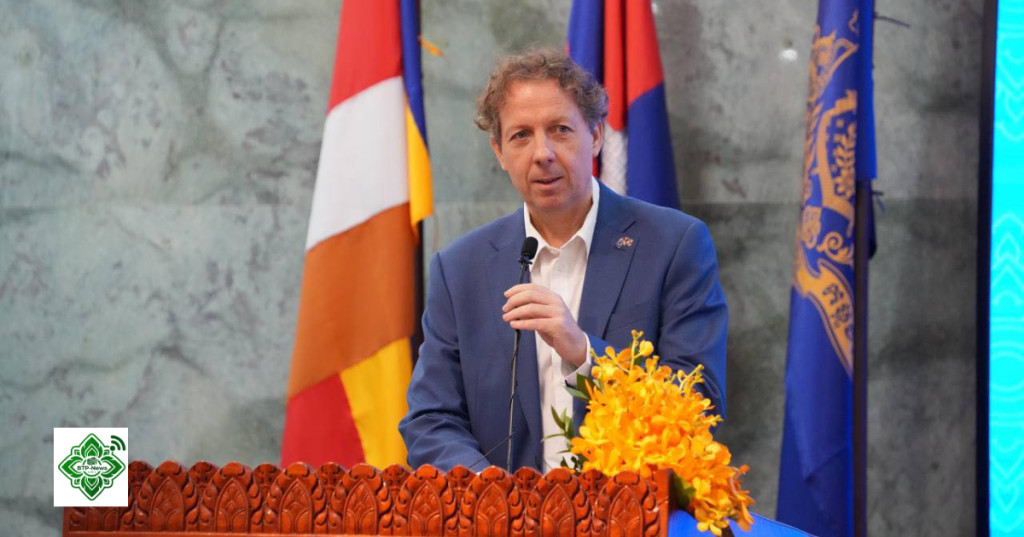
Mr. Sok Sokhom Sok Sokhom, Executive Director of the Cambodian Natural Resources Organization (CNRO), described the workshop as an important example of constructive social dialogue between state institutions and civil society actors.


Speaking after the consultation, Mr. Sok Sokhom said the event reflected “very close and positive cooperation” between the Ministry of Land Management and civil society organizations led by the NGO Forum on Cambodia and ActionAid International Cambodia, together with partner organizations from provinces across the country.


Participants included representatives from communities located in the Tonle Sap region, Mekong River basin, and coastal provinces, including Kratie Kratie, Stung Treng Stung Treng, Ratanakiri Ratanakiri, Mondulkiri Mondulkiri, Siem Reap Siem Reap, Pursat Pursat, Battambang Battambang, and Cambodia’s four coastal provinces.


The workshop included participation from fisheries communities, forestry communities, indigenous peoples’ communities, and natural resource protection groups directly affected by land and environmental governance issues.

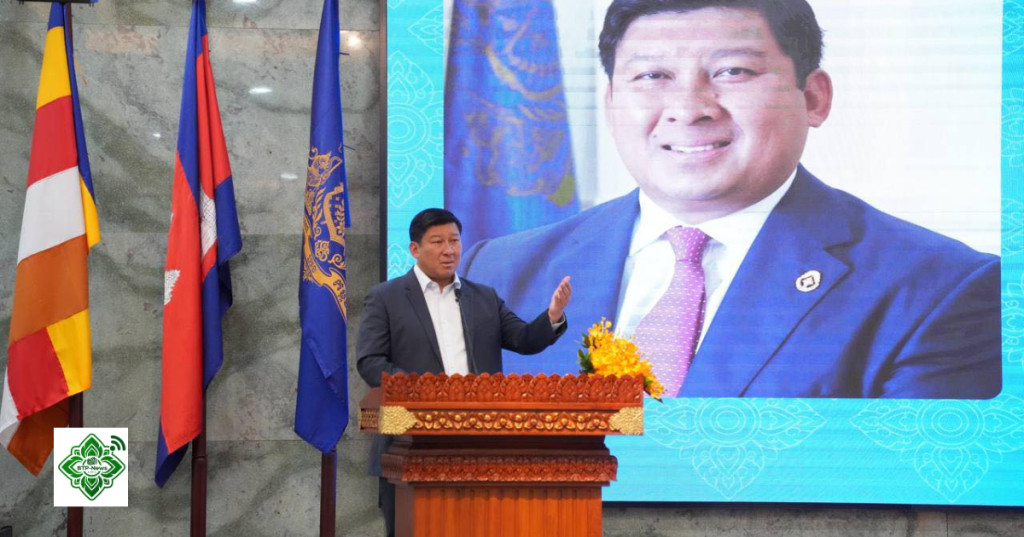
According to Mr. Sok Sokhom, HE. Say Samal Deputy Prime Minister and Minister of Land Management Say Samal welcomed the strengthened cooperation and social dialogue between government institutions and civil society, expressing satisfaction with the collaborative approach adopted during the consultation process.


He added that the deputy prime minister proposed holding follow-up consultations every six months to maintain dialogue and monitor progress on resolving community concerns.


Mr. Sok Sokhom further stated that issues raised by fisheries communities, forestry communities, and natural resource protection groups were acknowledged by the ministry’s secretary of state, representing Say Samal, who agreed to allow affected communities to formally submit requests to the ministry for intervention, land registration assistance, and dispute resolution.


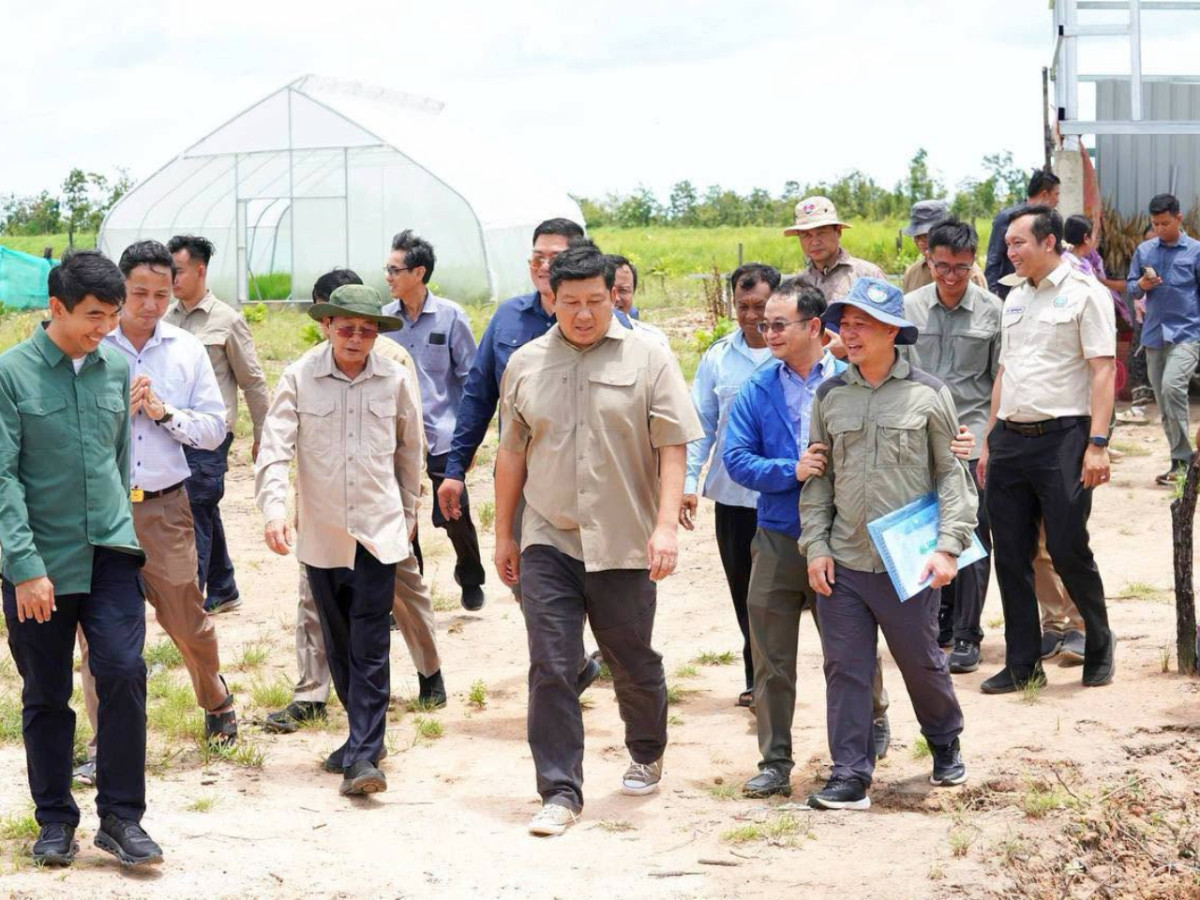
At the same time, the Ministry of Land Management is reportedly coordinating with Ministry of Agriculture, Forestry and Fisheries Cambodia’s Ministry of Agriculture, Forestry and Fisheries to accelerate the registration and titling of state public land located within fisheries communities, forestry communities, protected natural resource areas, and indigenous territories.

Mr. Sok Sokhom said the ministry committed to responding to community applications within one week after submission, describing the consultation as “a rare and highly positive development” in government-civil society relations and participatory governance.


He expressed hope that the Ministry of Land Management, Ministry of Agriculture, and Ministry of Environment would continue working together through social dialogue mechanisms to address community grievances, including land encroachment, natural resource exploitation, and unresolved land disputes affecting vulnerable populations.

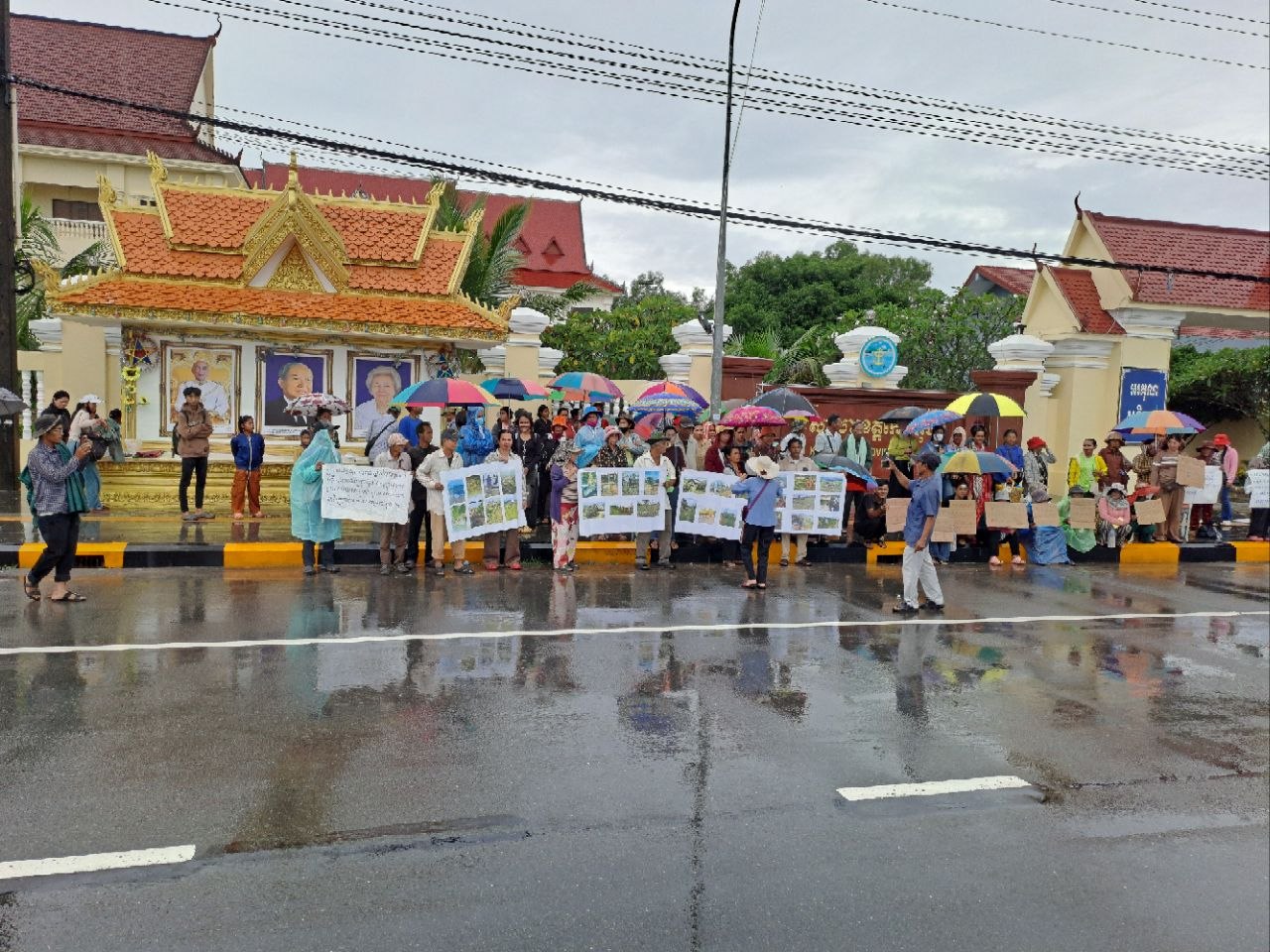
Meanwhile, representatives of communities affected by land disputes in Rovieng District Rovieng district, Preah Vihear Preah Vihear province, called on relevant ministries and civil society organizations to intensify cooperation in order to expedite land dispute resolution processes.

Ms. Daeng Leuk Daeng Leuk, a representative of affected residents, said many families are currently facing severe economic hardship due to the lack of agricultural land needed for farming and household livelihoods.

She stressed that local residents urgently need a lawful and sustainable land resolution that would allow them to return to farming activities, restore agricultural production, and generate income to support their families.


Affected communities expressed hope that land authorities, government ministries, and civil society organizations would continue collaborating through inclusive social dialogue and participatory governance frameworks to implement effective and timely solutions aimed at resolving land conflicts, reducing poverty, and ensuring justice for affected citizens.