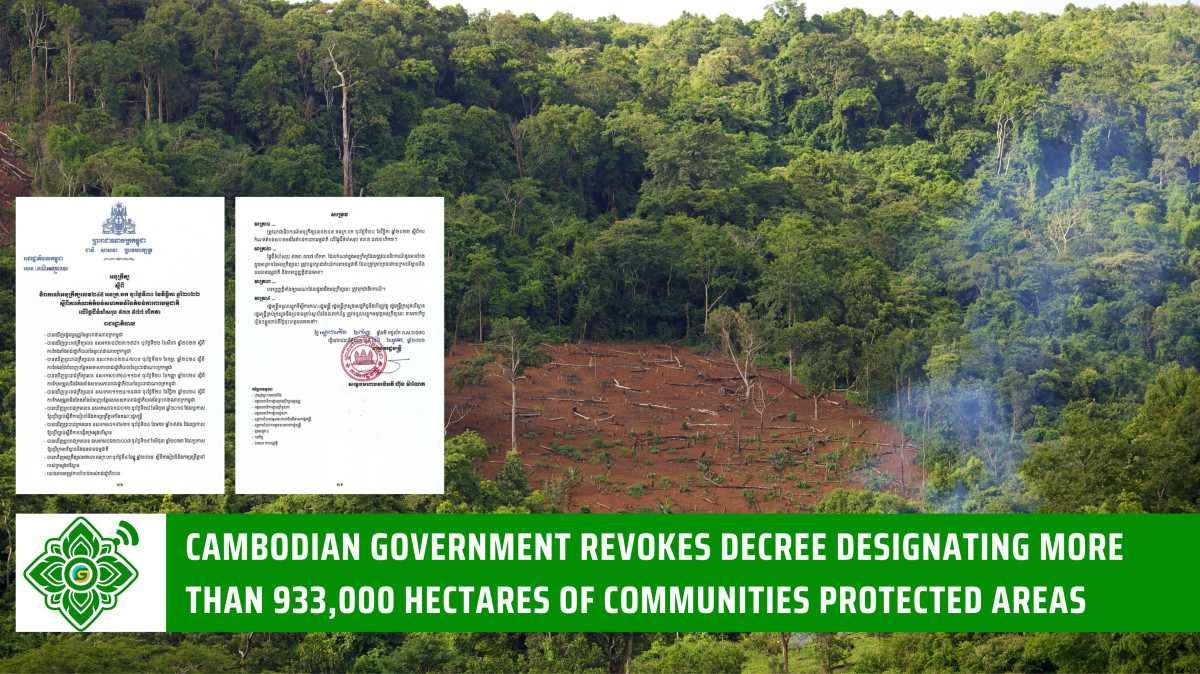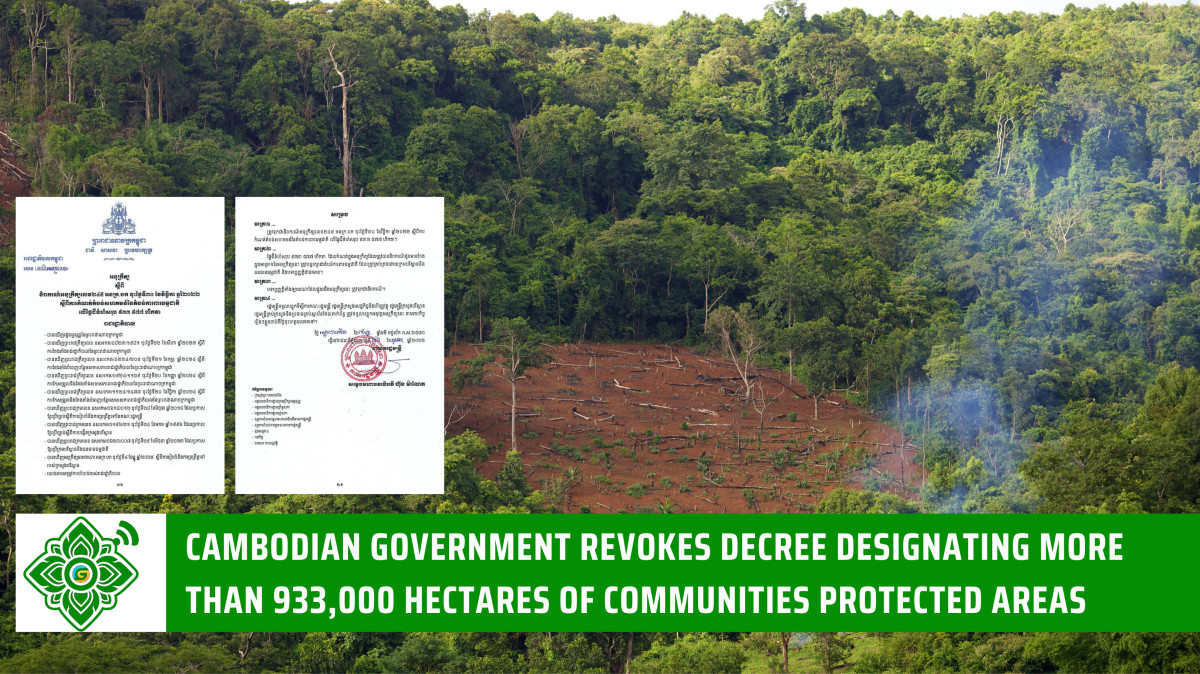

PHNOM PENH, Cambodia — The Royal Government of Cambodia has issued a new sub-decree revoking a previous regulation that designated more than 933,577 hectares of community zones within protected natural areas nationwide, a move that has drawn attention from local communities, civil society organizations, and environmental stakeholders.
The new regulation, Sub-Decree No. 106 ANK/BK, signed by Prime Minister Hun Manet on May 26, 2026, formally repeals Sub-Decree No. 245 ANK/BK, which was issued on November 30, 2022, under the administration of former Prime Minister Hun Sen.
The revoked sub-decree had established community zones within Cambodia’s protected areas with the objective of strengthening natural resource management, biodiversity conservation, and sustainable land use, while also enhancing local community participation in environmental protection and stewardship.
Under the 2022 regulation, approximately 933,577 hectares of land were designated as community zones, enabling residents who had been occupying and utilizing the land to apply for legal land titles through procedures established by the competent authorities.
For years, the Cambodian government has promoted policies aimed at balancing environmental conservation with sustainable development. Community participation has been regarded as a key component in protecting forests, biodiversity, watersheds, and other natural resources, while simultaneously improving the livelihoods of people living in and around protected areas.
The policy of establishing community zones within protected areas was widely viewed as an important mechanism for strengthening land tenure security, reducing land disputes, and fostering trust between local communities and government institutions. It also encouraged greater public involvement in the conservation and management of natural resources that many rural households depend upon for their livelihoods.
However, the government's decision to revoke the sub-decree in its entirety has generated questions among community representatives, civil society groups, and environmental advocates regarding the future management framework for these lands.
Speaking to Baitong Post (BTP), Mr. Hey Nai, a resident living near the Prey Preah Roka protected forest community in Chheb District, Preah Vihear Province, said the introduction of a new management mechanism for more than 933,000 hectares of protected land could contribute to stronger environmental protection and climate change mitigation efforts.
“Forests and natural resources play a crucial role in maintaining ecological balance, water resources, and biodiversity for both present and future generations,” he said.
At the same time, Hey Nai urged the government and relevant institutions to carefully assess the potential impact of policy changes on local livelihoods, particularly for rural communities that rely heavily on land and natural resources for farming and income generation.
He noted that many households surrounding Prey Roka Forest and other protected areas depend on agricultural production, crop cultivation, and access to land resources to support their families.
“Any adjustment to land and conservation policies should strike a balance between environmental protection and the livelihood security of local communities,” he said.
He also expressed concern that, without clear support mechanisms, tighter restrictions on land use within and around community areas could negatively affect the incomes and living conditions of farming families that depend on agriculture and natural resources.
Responding to concerns, Mr. Moeun Sopheth, Director of the Preah Vihear Provincial Department of Environment, told Baitong Post that the department continues to implement environmental governance in accordance with national laws, government policies, and modern technological monitoring systems.
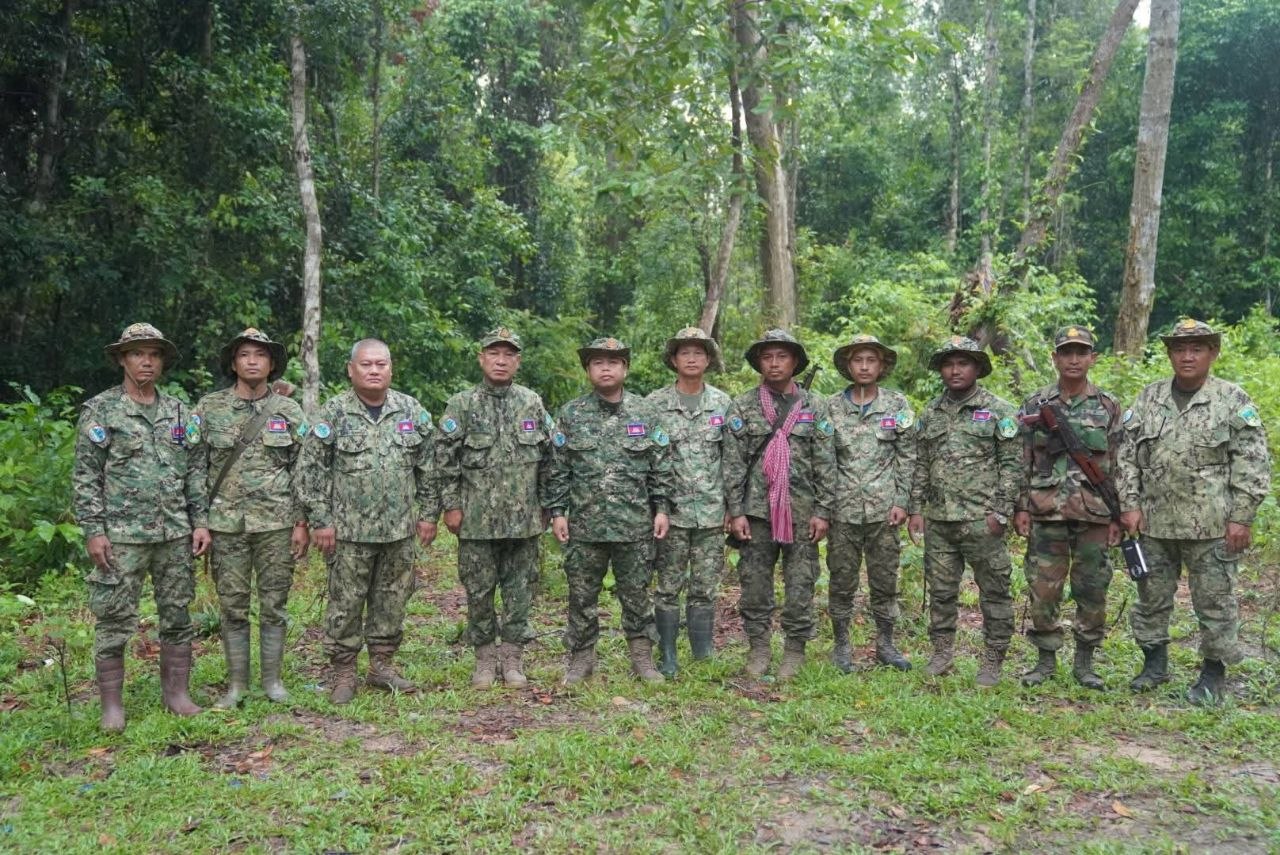
According to Sopheap, authorities are utilizing legal enforcement mechanisms and technological tools to detect, prevent, and suppress natural resource crimes, including illegal land encroachment within protected areas.
Beyond law enforcement, he said the department works closely with national and international partners to promote a transition away from forest exploitation toward sustainable conservation-based economic models.
“We are encouraging communities to shift from short-term benefits derived from deforestation to long-term benefits generated through natural resource conservation,” Sopheap said.
He highlighted carbon-credit initiatives as one of the emerging mechanisms capable of improving local livelihoods while contributing to ecosystem protection, biodiversity conservation, and climate change mitigation.
Revenue generated through international carbon markets, he noted, can provide alternative income opportunities for communities while incentivizing forest protection.
Sopheth further emphasized that the Provincial Department of Environment remains open to cooperation with local residents, community organizations, civil society groups, and development partners in efforts to conserve natural resources and combat environmental crimes.
“The conservation of natural resources and the improvement of community livelihoods are not conflicting objectives,” he said. “They must go hand in hand to ensure sustainable development and the long-term preservation of Cambodia’s valuable natural heritage.”
As of publication, the government has not publicly provided a detailed explanation regarding the specific reasons behind the repeal of Sub-Decree No. 245.
Community representatives, civil society organizations, and other stakeholders are now awaiting further clarification from the Royal Government and the Ministry of Environment regarding any replacement mechanisms or policy frameworks that may be introduced.
Observers say such clarification will be critical to ensuring that the rights and interests of communities living within and around protected areas continue to be recognized and protected, while maintaining effective and sustainable conservation of Cambodia’s natural resources.

Cambodian Government Revokes Decree Designating More Than 933,000 Hectares of CommunitIES Protected Areas
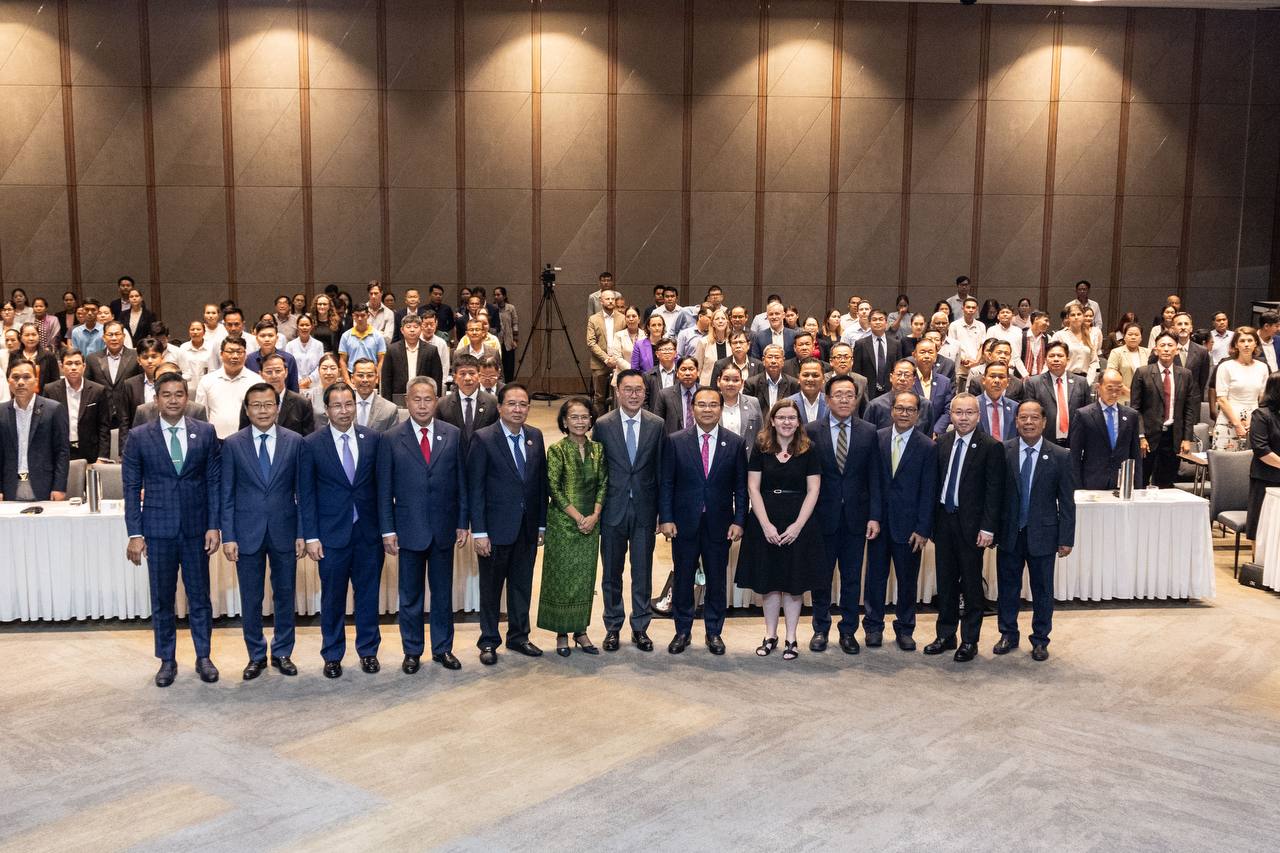
Australia and Cambodia Launch ACP4Climate Program to Strengthen Climate Resilience and Water Governance
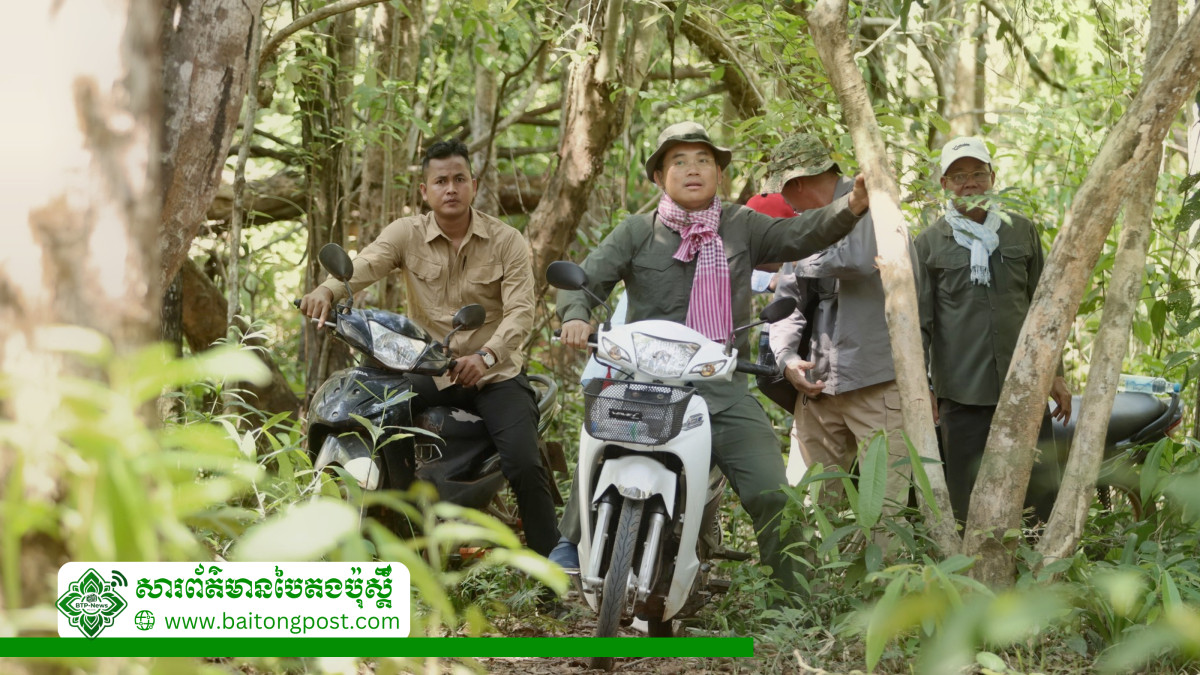
Kampong Thom Governor Inspects Prey Lang Forest and Orders Strict Crackdown on Illegal Deforestation
Top news of the day: COP28 summit approves funds to compensate developing nations for climate impacts
Loss and Damage Fund cleared on Day One of COP-28 summit
INSP!R Asia Statement Loss and Damage Fund for financing Adaptive Social Protection
28-ឧសភា-2026 - ម៉ោង 09:34:AM
11-ឧសភា-2026 - ម៉ោង 01:42:PM
02-ធ្នូ-2023 - ម៉ោង 09:00:AM
02-ធ្នូ-2023 - ម៉ោង 08:42:AM
© ២០២៣ រក្សាសិទ្ធិគ្រប់យ៉ាងដោយ BAITONGPOST
#35,St 1013, Phnom Penh Thmei, Sen Sok, , Phnom Penh, Cambodia