
Phnom Penh, 10 January 2026 — More than four weeks into the current phase of the Cambodia–Thailand border crisis, humanitarian needs remain significant despite a decline in large-scale displacement, according to Situation Report 14 released by the Humanitarian Response Forum (HRF) in collaboration with humanitarian partners.
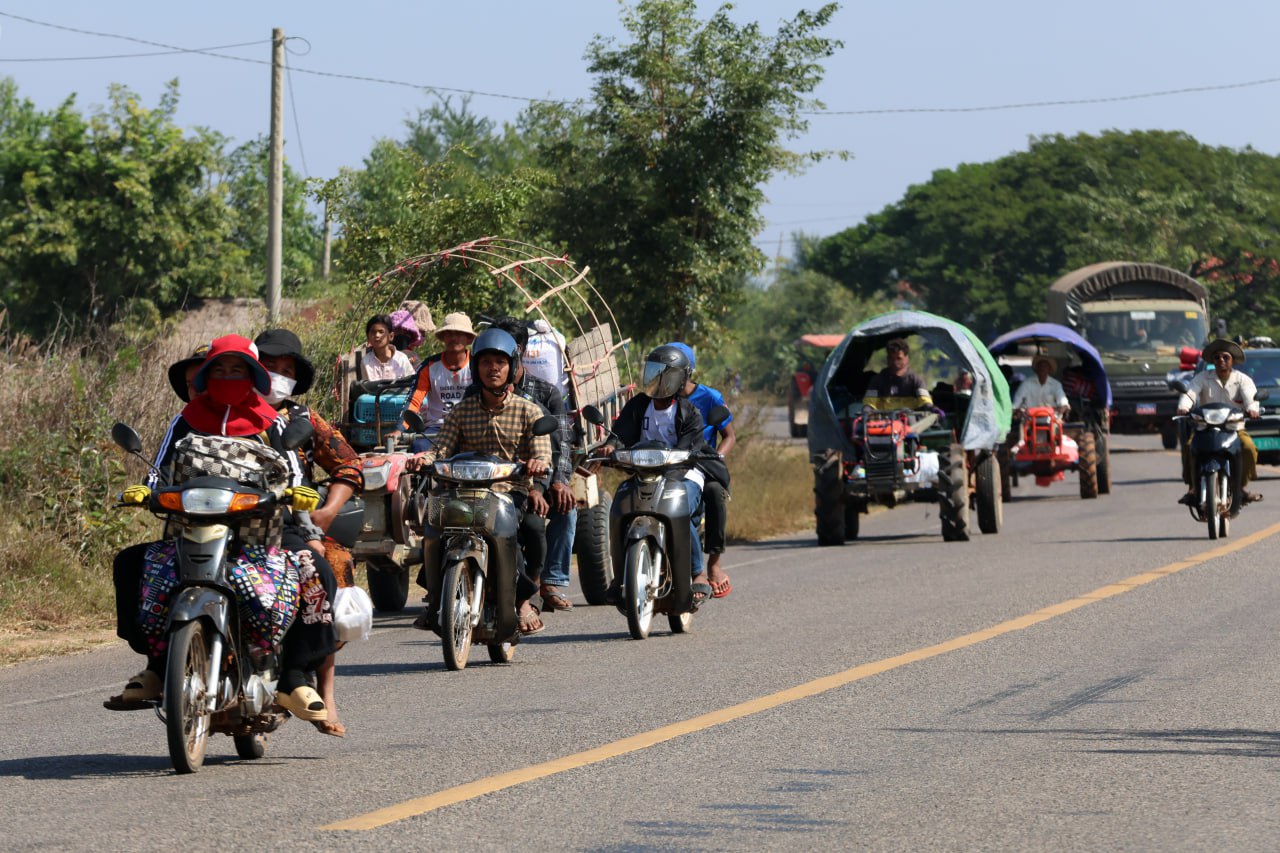
Covering the period from 3 to 9 January 2026, the report notes that while some displaced families have begun returning to their places of origin, the overall operating environment remains fluid and uneven across affected areas. Humanitarian response planning is therefore addressing both ongoing displacement and phased returns, guided by safety conditions, access, and the availability of basic services.
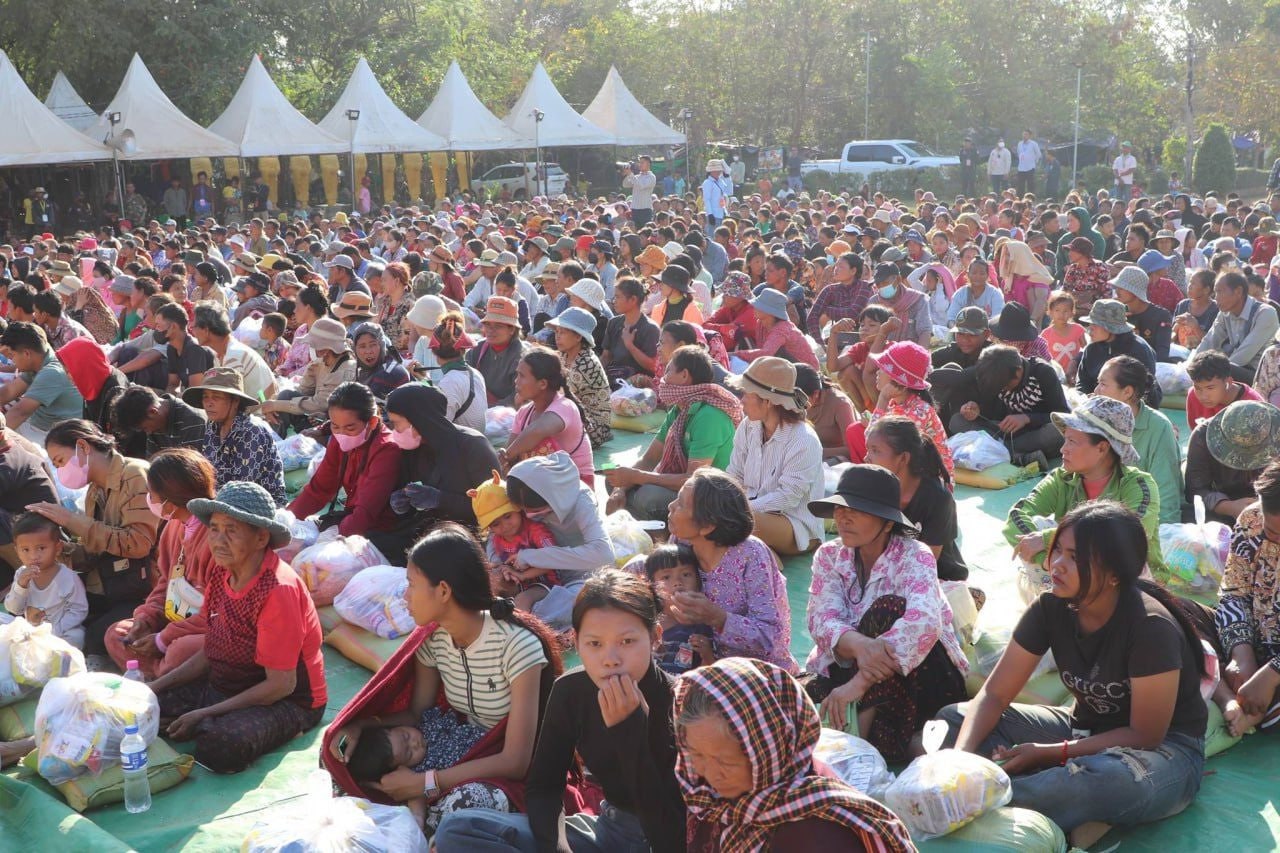
As of 8 January 2026, the National Committee for Disaster Management (NCDM) reported that approximately 475,000 displaced people have returned to their home areas. However, 173,776 people remain displaced, including 91,170 women and 56,757 children. Of these, 64,018 people are living in 127 displacement sites, while 109,758 people are staying with host communities or relatives.
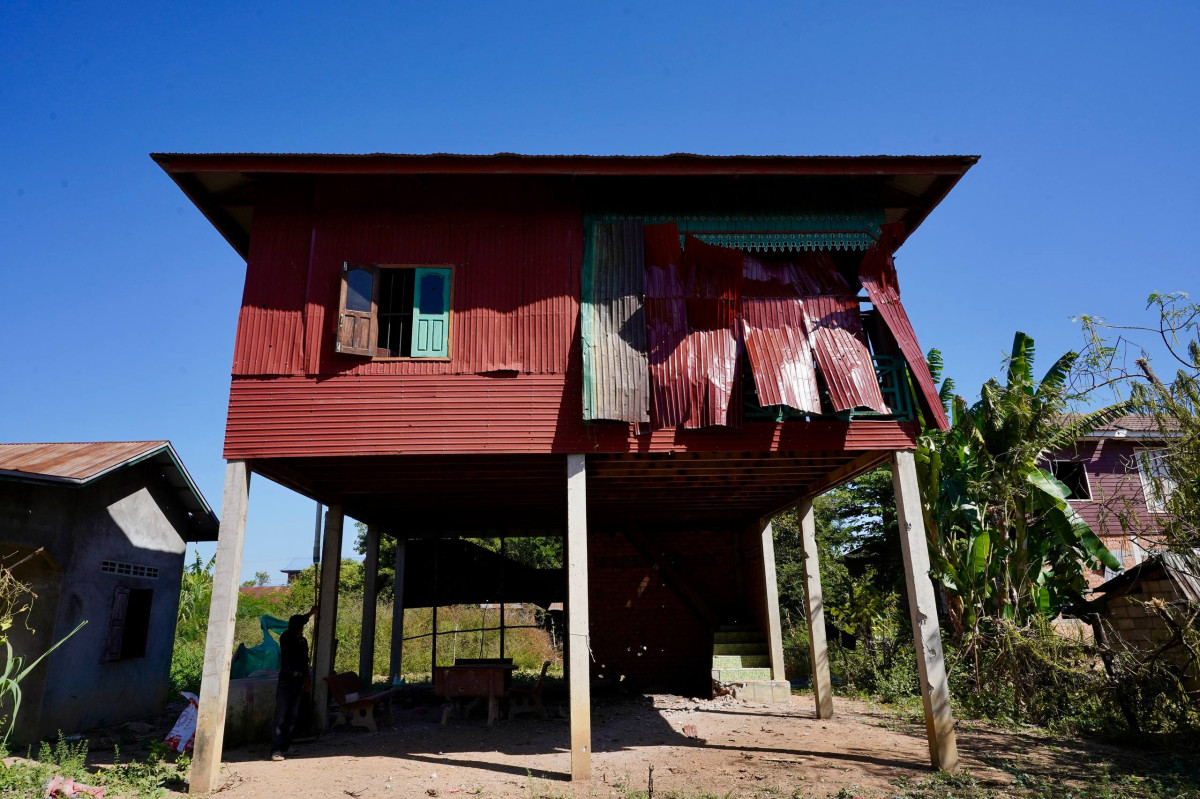
The report warns that an unknown number of displaced families are unlikely to return in the near future due to unexploded ordnance (UXO) contamination, damaged housing, and ongoing insecurity in their areas of origin.
Humanitarian needs among displaced households remain acute, particularly in water, sanitation and hygiene (WASH), food assistance, shelter and non-food items, primary health care and essential medicines, and protection services. Vulnerable groups—including children, women, older persons, and persons with disabilities—require continued targeted support.
At the same time, return movements are generating new humanitarian needs in areas of origin. Families returning home are reporting disrupted basic services, damaged housing, limited access to safe water and sanitation, reduced access to health and education services, and diminished livelihood opportunities due to asset losses.
The HRF identifies safe and dignified returns as an immediate priority, emphasizing the importance of clear information, access to essential services, restoration of basic infrastructure where possible, and sustained assistance for the most vulnerable households. This includes families remaining in evacuation centres as well as those returning home, with a focus on psychosocial support and strengthened community-based protection and referral mechanisms.
The report covers humanitarian response efforts across multiple sectors, including coordination, education, food and nutrition, health, protection and human rights, shelter and non-food items, and water, sanitation and hygiene, with contributions from partners such as DanChurchAid and the World Food Programme.
The HRF stresses that continued coordination between humanitarian actors, government authorities, and international partners is critical to address evolving needs and to support both displaced populations and returnees affected by the Cambodia–Thailand border situation.

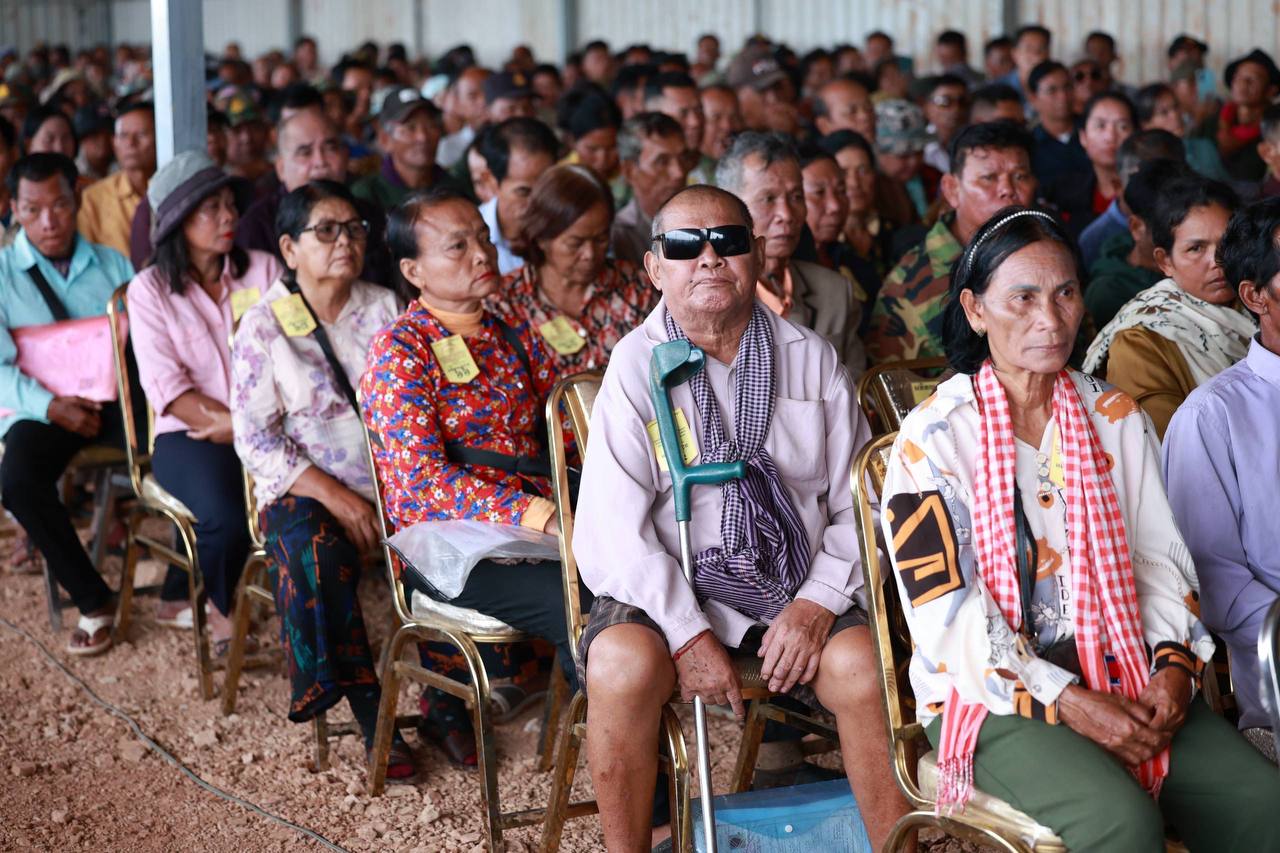 Cambodia Expands Health-Care Social Security Coverage to Retired Generals and Admirals
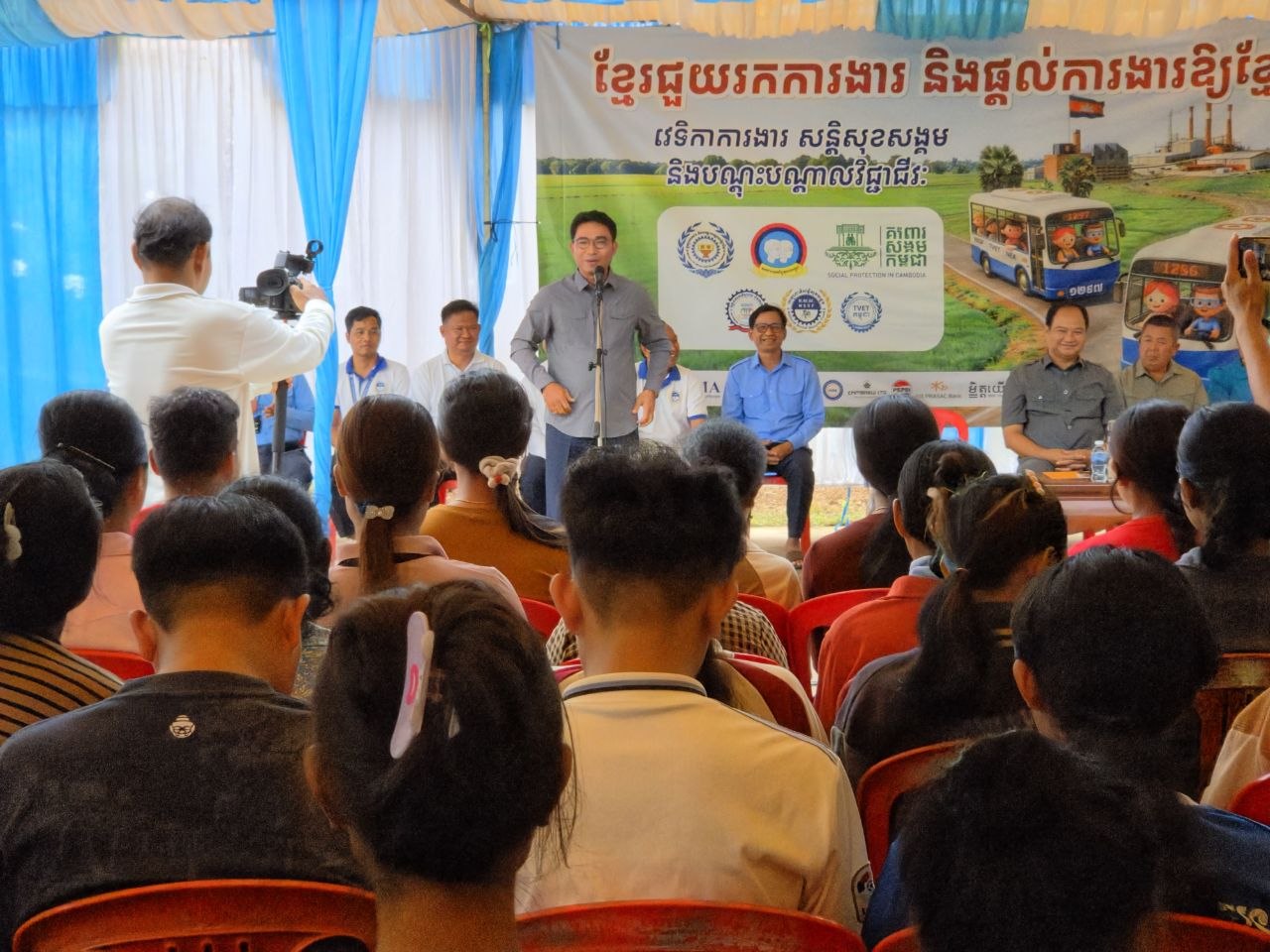 Preah Vihear Holds Job Forum to Help Returning Migrants, Youth Find Local Work
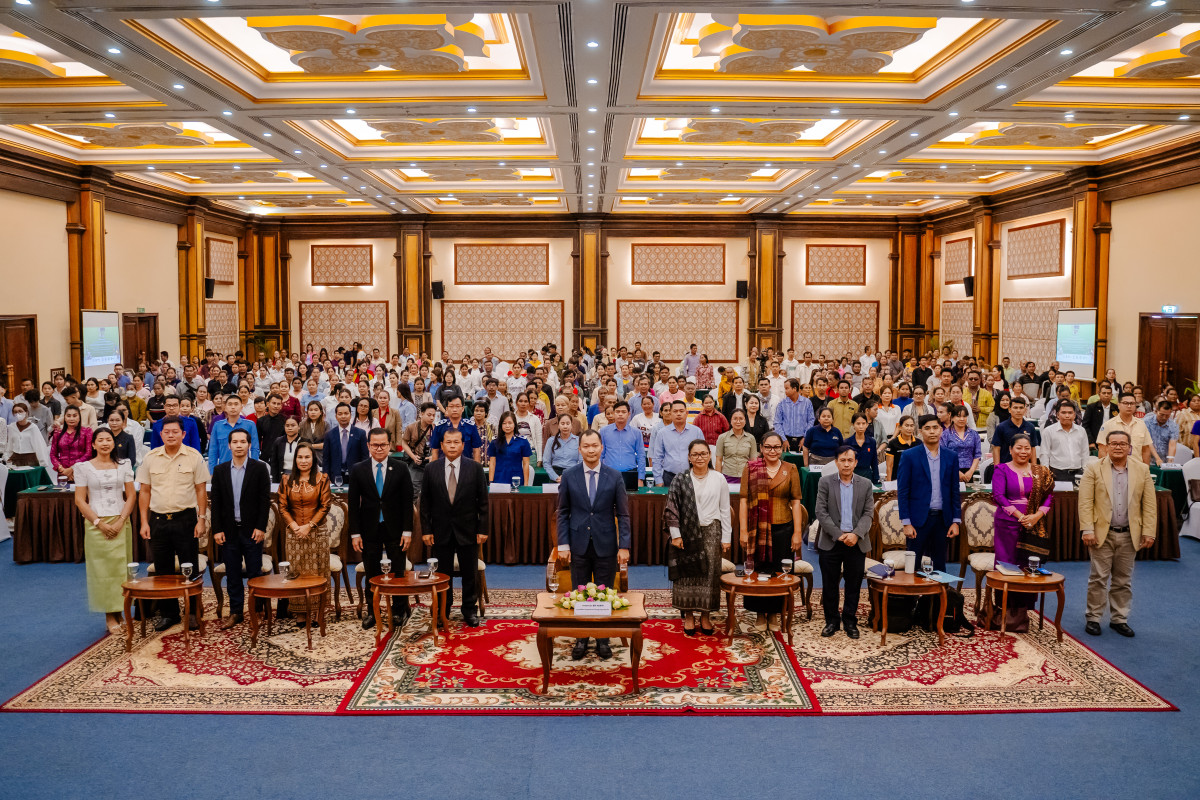 Government, Partners Push Decent Work for Informal Workers
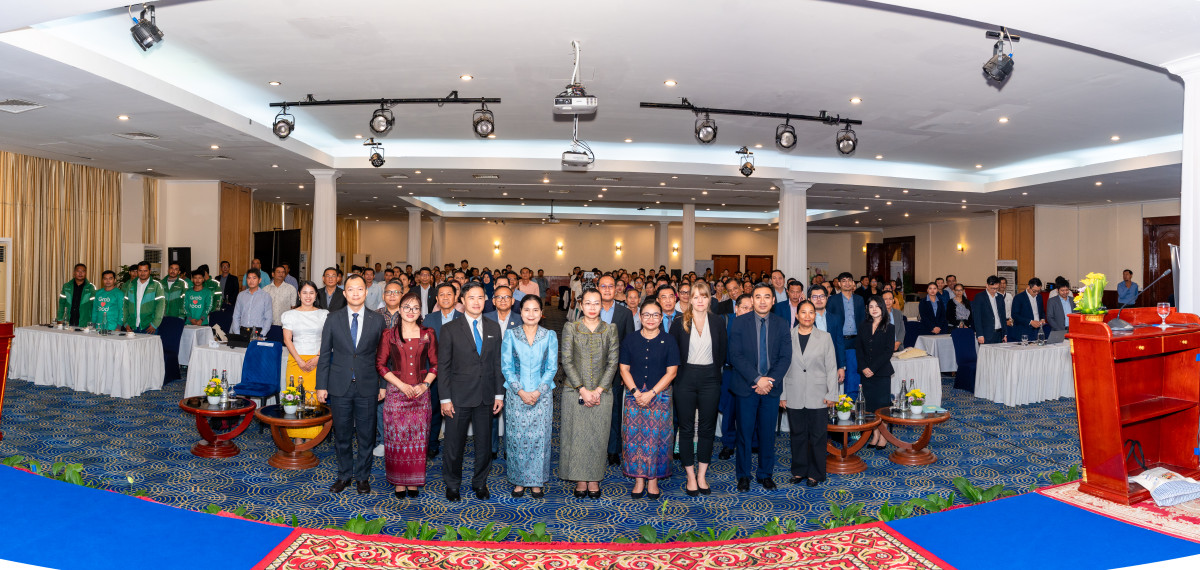 Cambodia Pushes to Expand Social Protection for Formal and Informal Workers
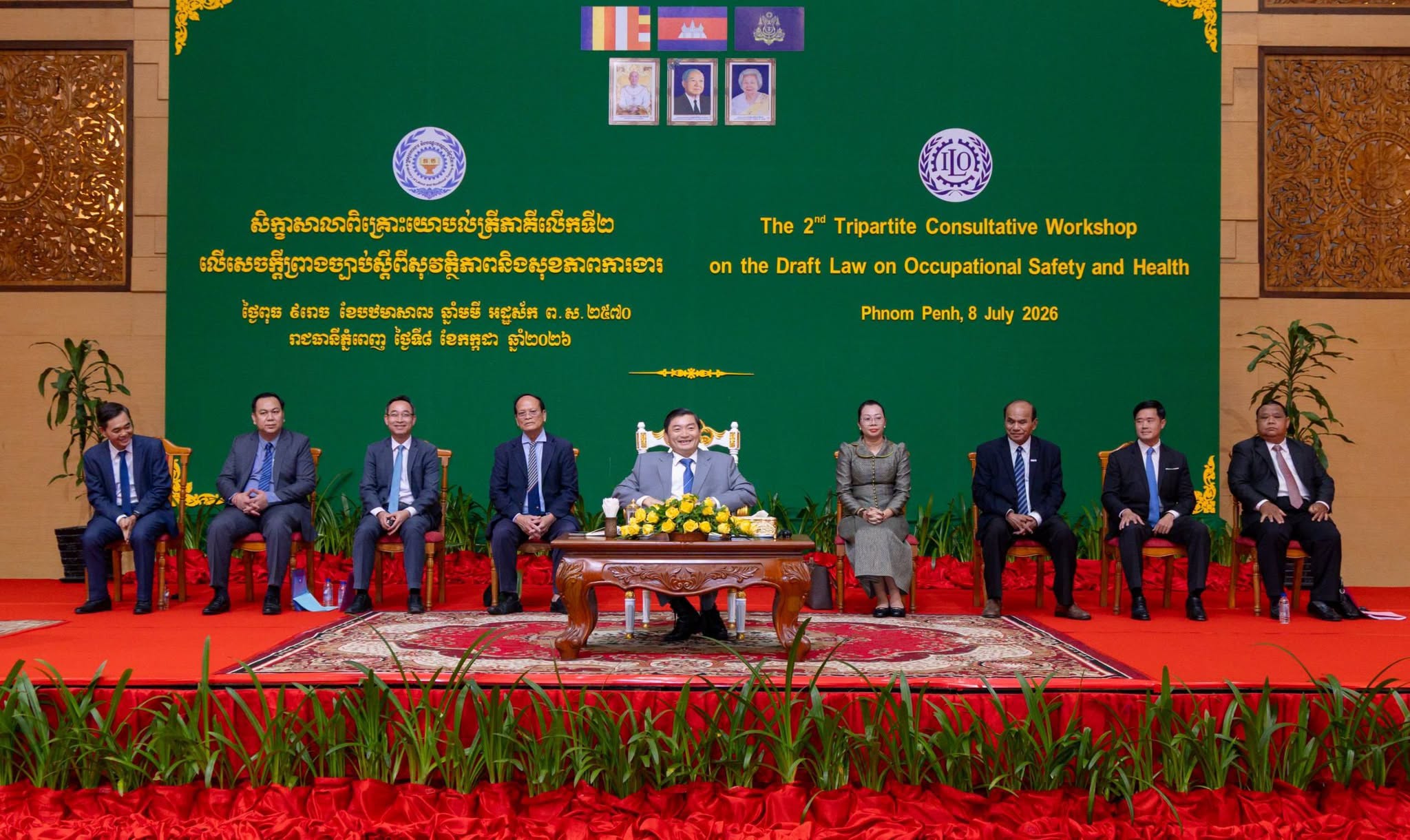 Cambodia Takes Another Step Toward Enacting an Occupational Safety and Health Law
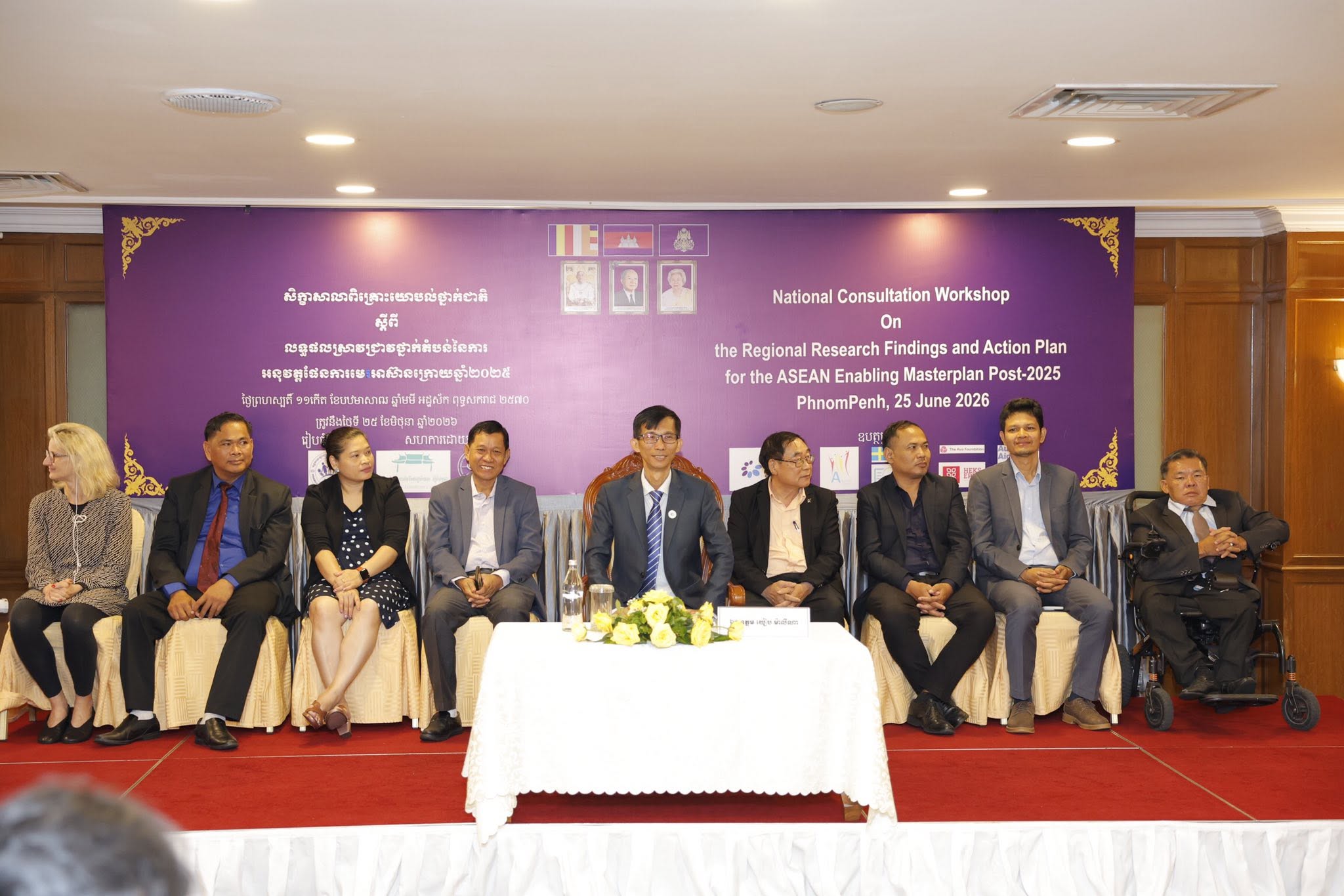 Cambodian Civil Society Calls on ASEAN to Strengthen Disability Rights in Post-2025 Regional Masterplan
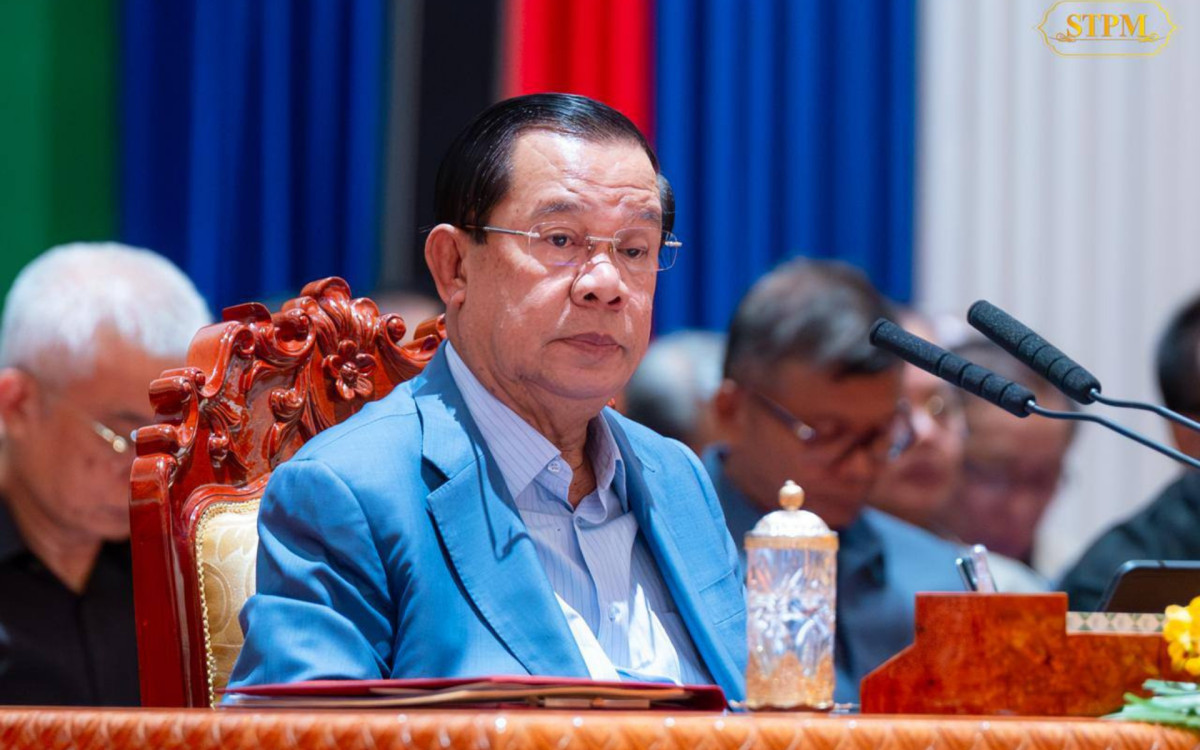 Acting Head of State Warns Corrupt Officials and Smugglers Over Illegal Thai Imports
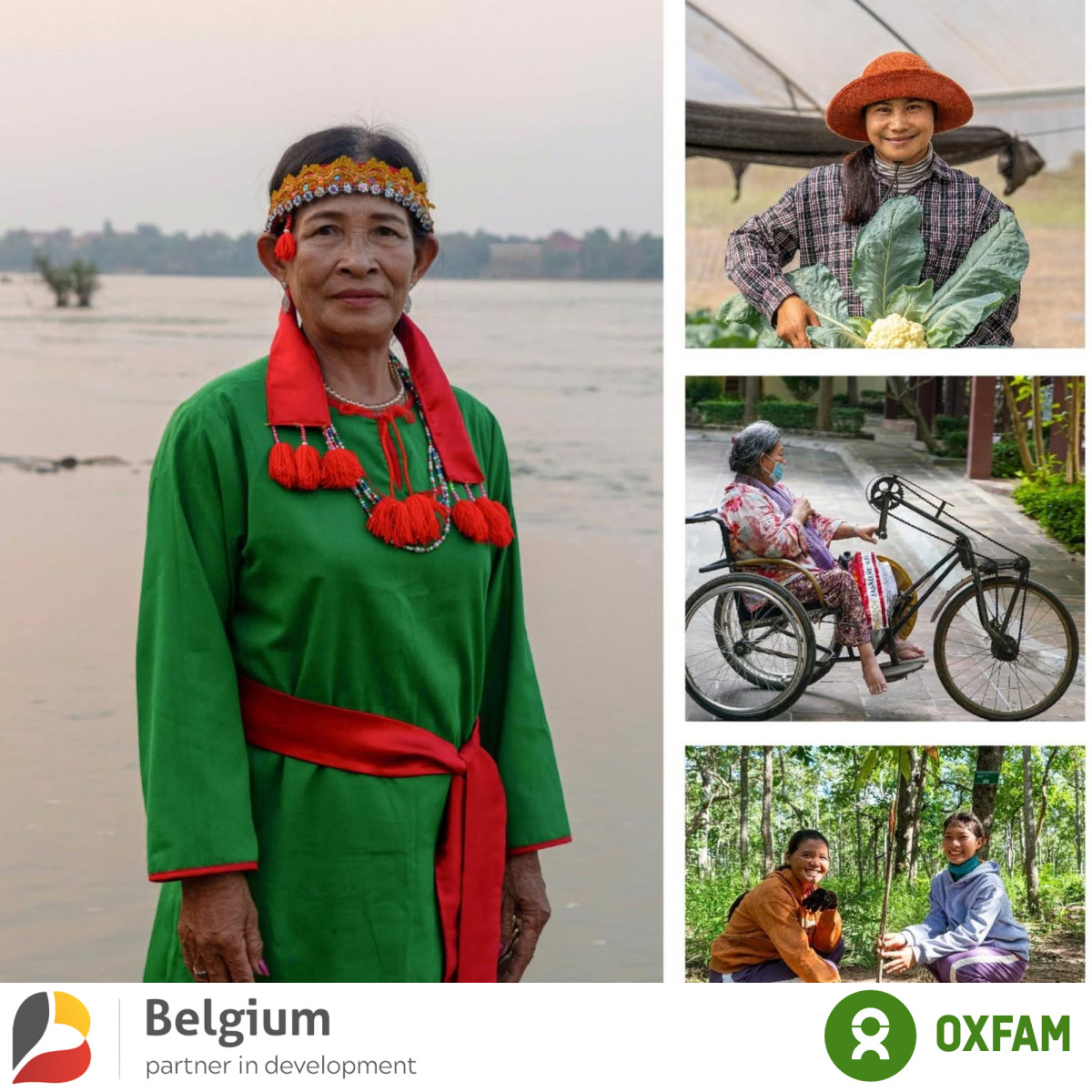
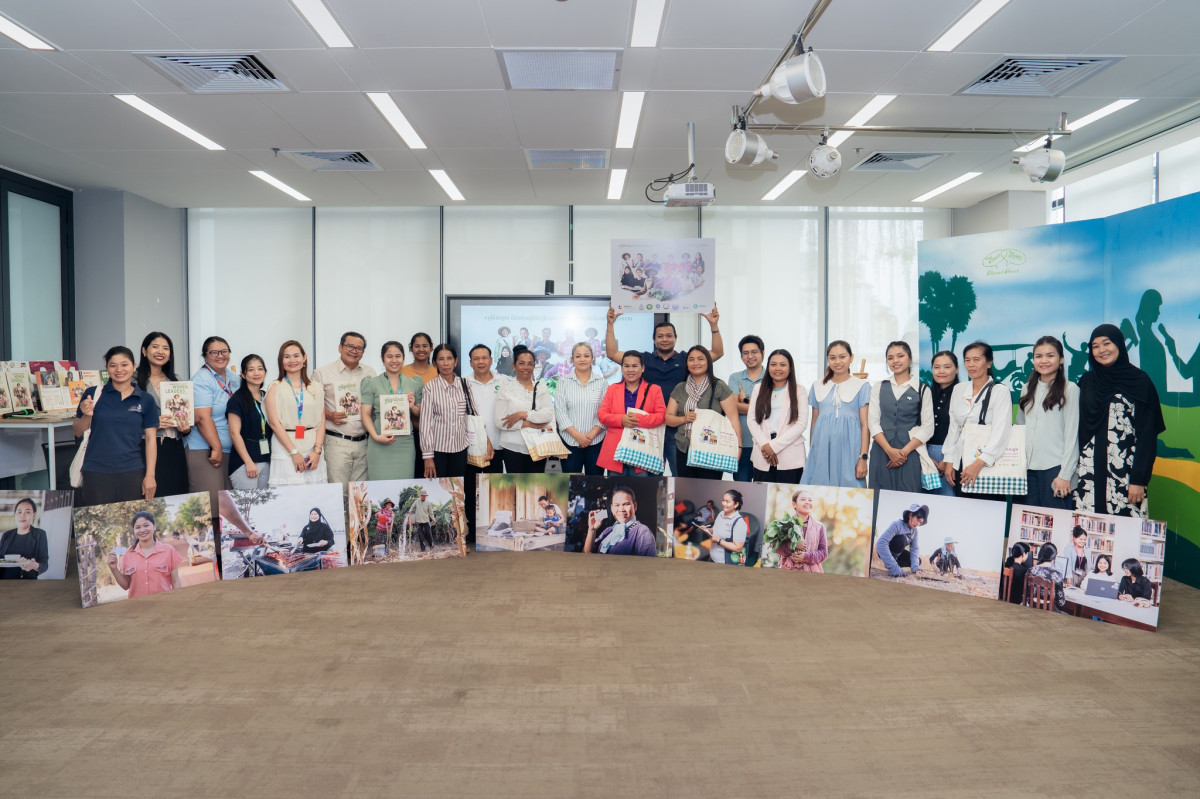 Oxfam Highlights Women’s Hidden Contributions to Cambodia’s Agri-Food Sector and the Importance of Social Protection
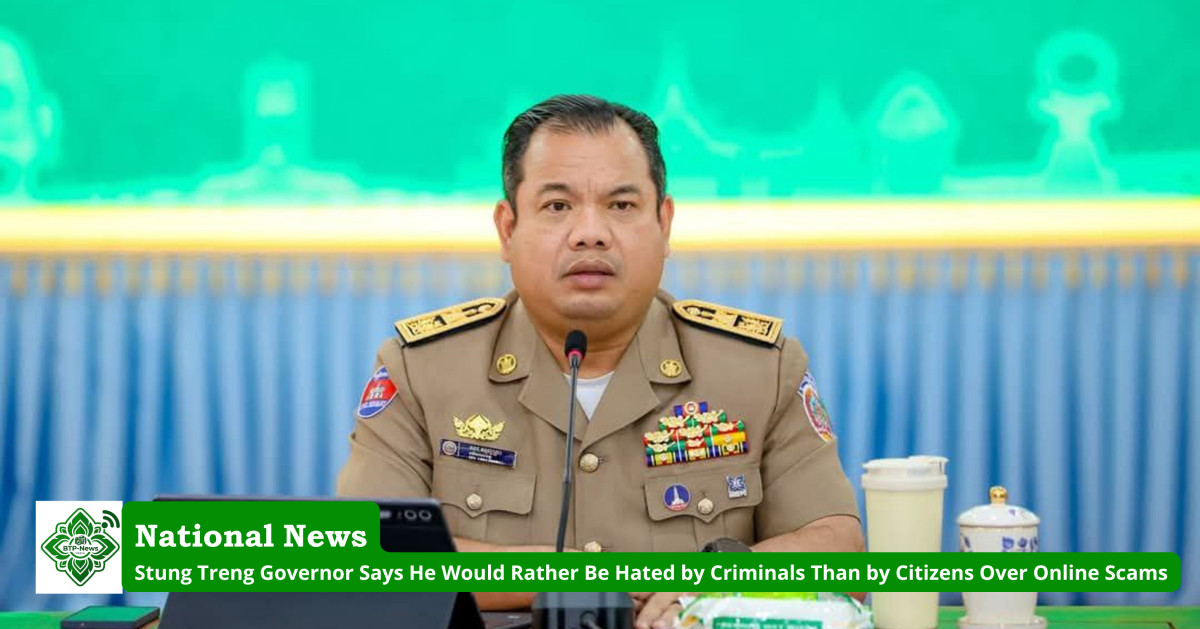 Stung Treng Governor Says He Would Rather Be Hated by Criminals Than by Citizens Over Online Scams
21-សីហា-2026 - ម៉ោង 12:18:PM
29-កក្តដា-2026 - ម៉ោង 05:32:PM
22-កក្តដា-2026 - ម៉ោង 03:10:PM
11-កក្តដា-2026 - ម៉ោង 03:05:PM
© ២០២៣ រក្សាសិទ្ធិគ្រប់យ៉ាងដោយ BAITONGPOST
#35,St 1013, Phnom Penh Thmei, Sen Sok, , Phnom Penh, Cambodia
