
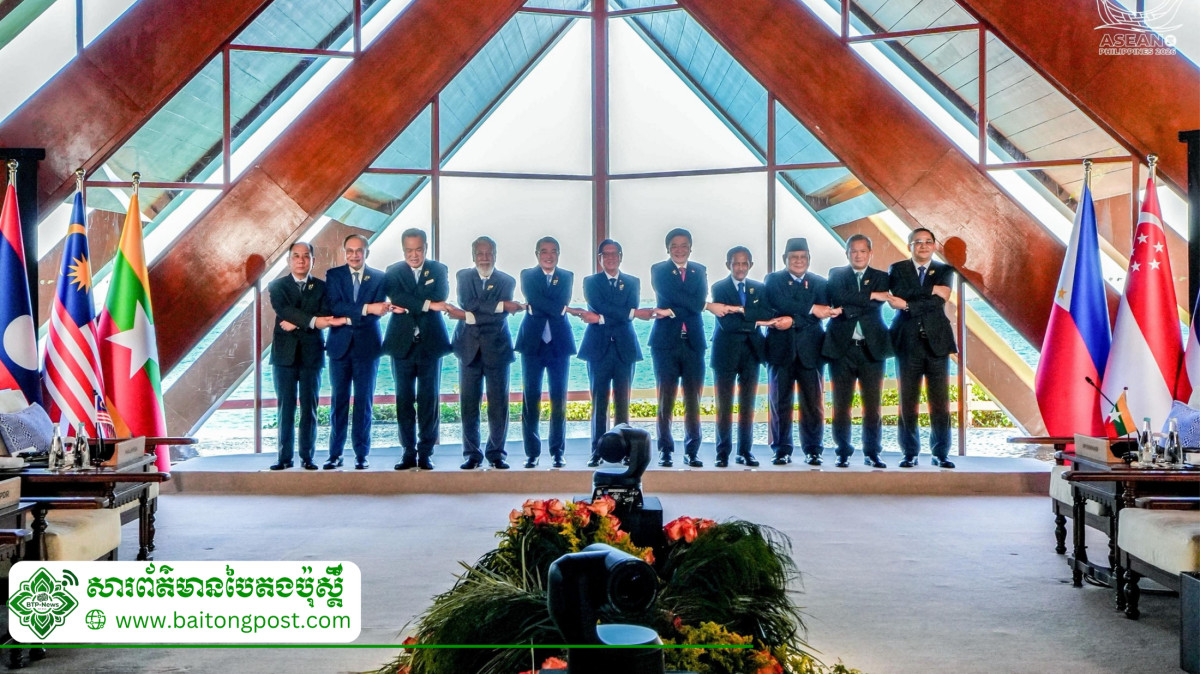
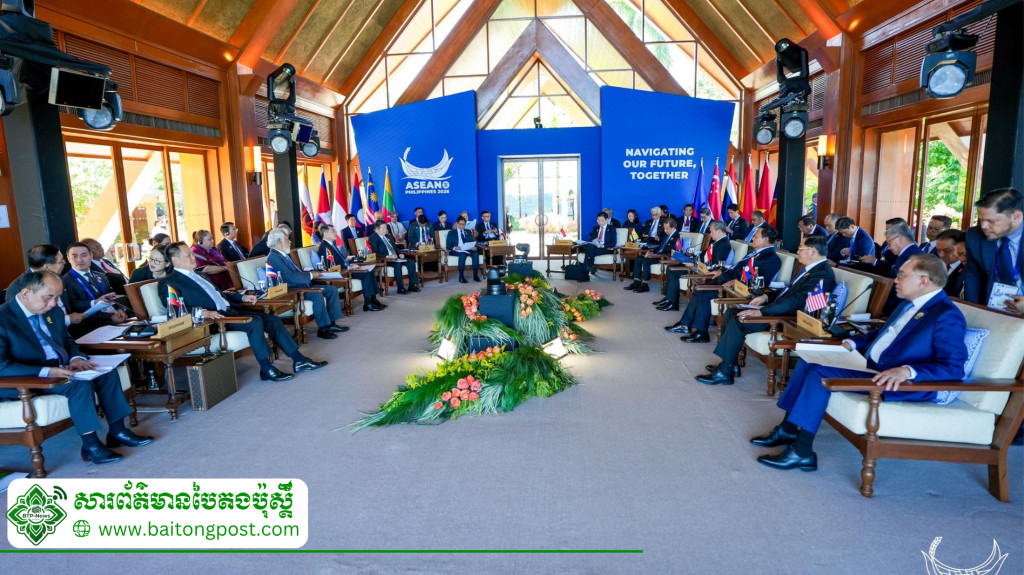
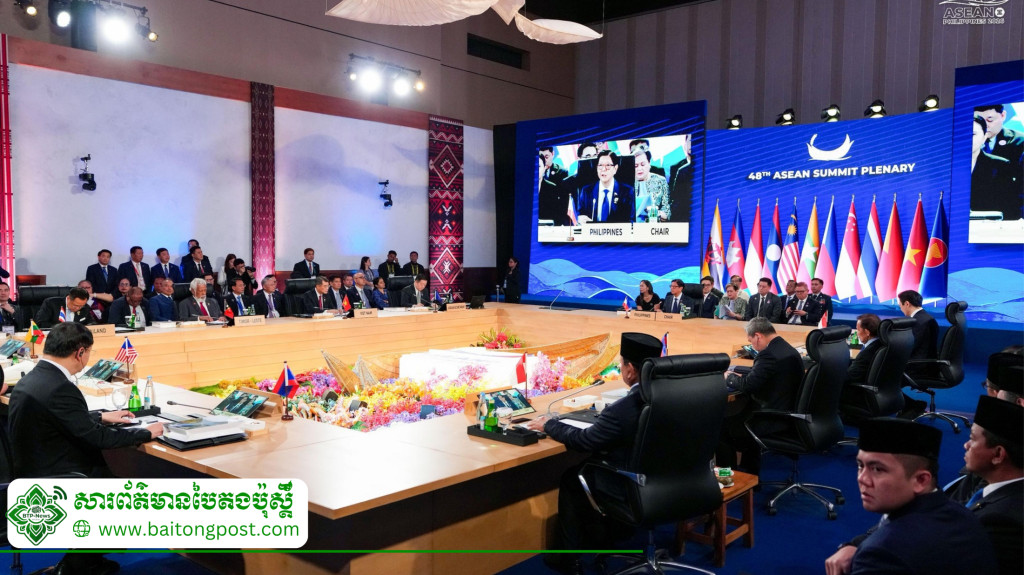
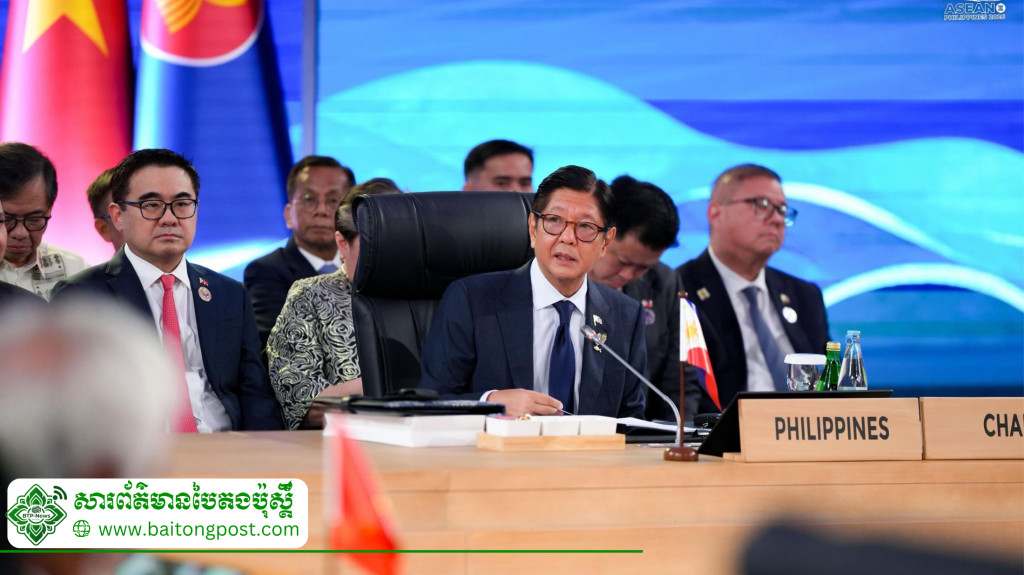
CEBU, Philippines — Leaders of the Association of Southeast Asian Nations (ASEAN) have adopted a landmark declaration aimed at strengthening regional maritime cooperation, reinforcing international law, and addressing emerging security and environmental challenges across Southeast Asia.
The declaration, issued during the 48th ASEAN Summit held on May 8, 2026, coincided with the 50th anniversary of the Treaty of Amity and Cooperation (TAC) and underscored ASEAN’s commitment to preserving peace, stability, and cooperation in regional waters.
Under the theme “Navigating Our Future, Together,” ASEAN leaders reaffirmed that the 1982 United Nations Convention on the Law of the Sea (UNCLOS) remains the universal legal framework governing all maritime activities and ocean-related issues.
According to the ASEAN Leaders’ Declaration on Maritime Cooperation, member states pledged to uphold international law, settle disputes through peaceful means, and refrain from the threat or use of force. The declaration also stressed the importance of maintaining freedom of navigation and overflight in regional seas amid continuing tensions in the South China Sea.
In a significant institutional initiative, ASEAN announced plans to establish an ASEAN Maritime Centre in the Philippines. The proposed center is expected to serve as a regional hub for maritime coordination, policy collaboration, and information sharing among ASEAN member states.
The declaration noted that the new maritime center would help streamline cooperation among ASEAN sectoral bodies while enhancing collective responses to maritime security challenges and avoiding duplication of efforts.
ASEAN leaders also highlighted growing concerns over the protection of Critical Underwater Infrastructure (CUI), including submarine communication cables and energy pipelines that are essential to regional connectivity, trade, and energy security.
The statement further acknowledged the increasing threat posed by climate change and sea-level rise, warning of its potential impact on territorial integrity, coastal livelihoods, and sustainable development throughout Southeast Asia.
On the issue of the South China Sea, ASEAN leaders reaffirmed their commitment to accelerating negotiations toward an effective and substantive Code of Conduct (COC). They also reiterated support for the full implementation of the 2002 Declaration on the Conduct of Parties in the South China Sea (DOC) as a confidence-building mechanism.
To strengthen maritime law enforcement cooperation, the summit also endorsed efforts to formalize the ASEAN Coast Guard Forum (ACF) under the ASEAN Charter framework. The initiative is expected to enhance regional coordination against piracy, illegal fishing, smuggling, and other transnational maritime crimes.
Beyond security matters, the declaration emphasized ASEAN’s broader “Blue Economy” ambitions, including stronger regional action against marine pollution and marine debris. Leaders also discussed the possibility of advancing a regional agreement on marine plastic pollution to safeguard biodiversity and marine ecosystems.
The declaration concluded with a renewed affirmation of ASEAN Centrality, emphasizing that regional cooperation with external partners must remain guided by ASEAN-led mechanisms, mutual respect, sovereignty, and the principle of non-interference.
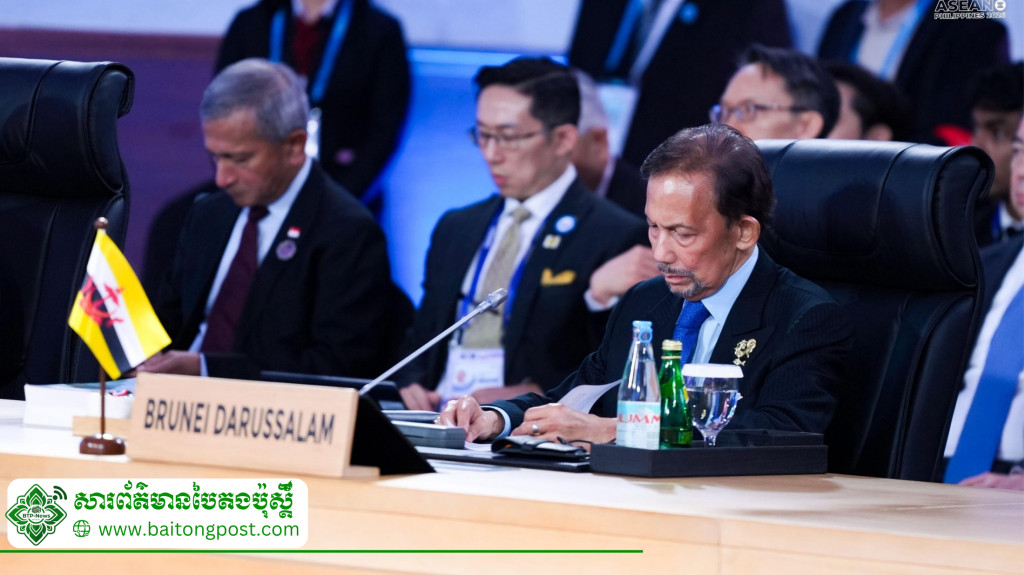
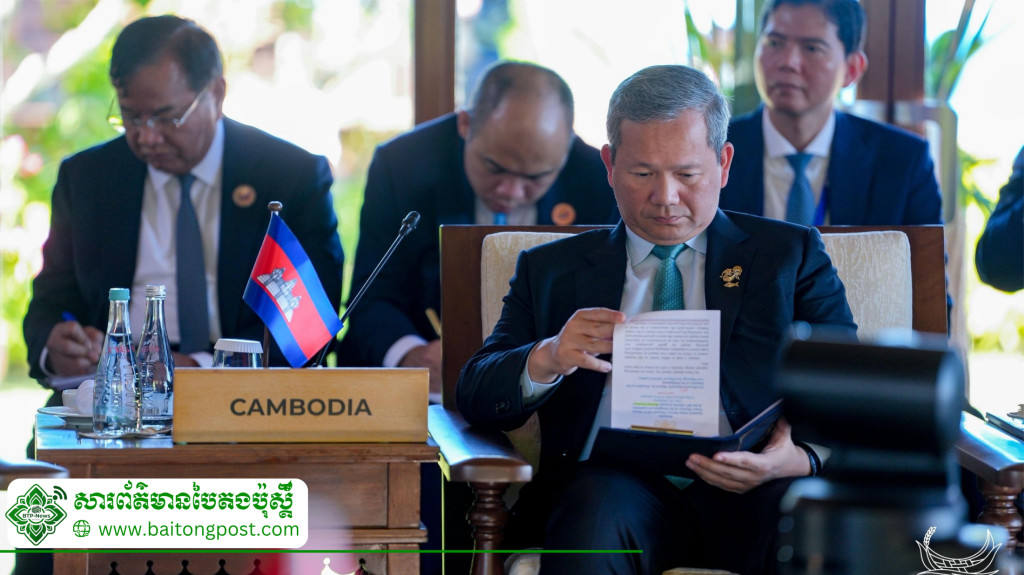

 Cambodia Senate Responds to Thai Senate President, Warns of “Salami-Slicing Strategy”
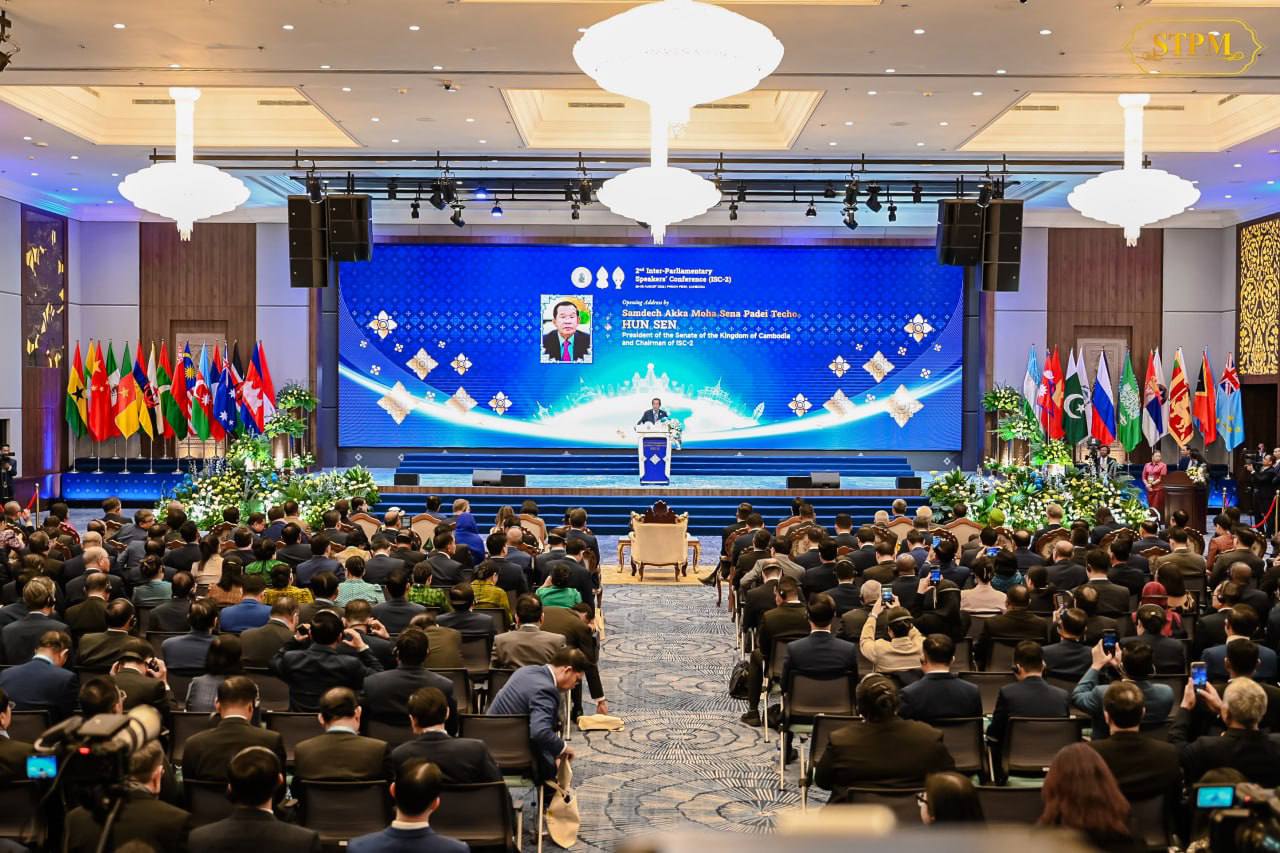
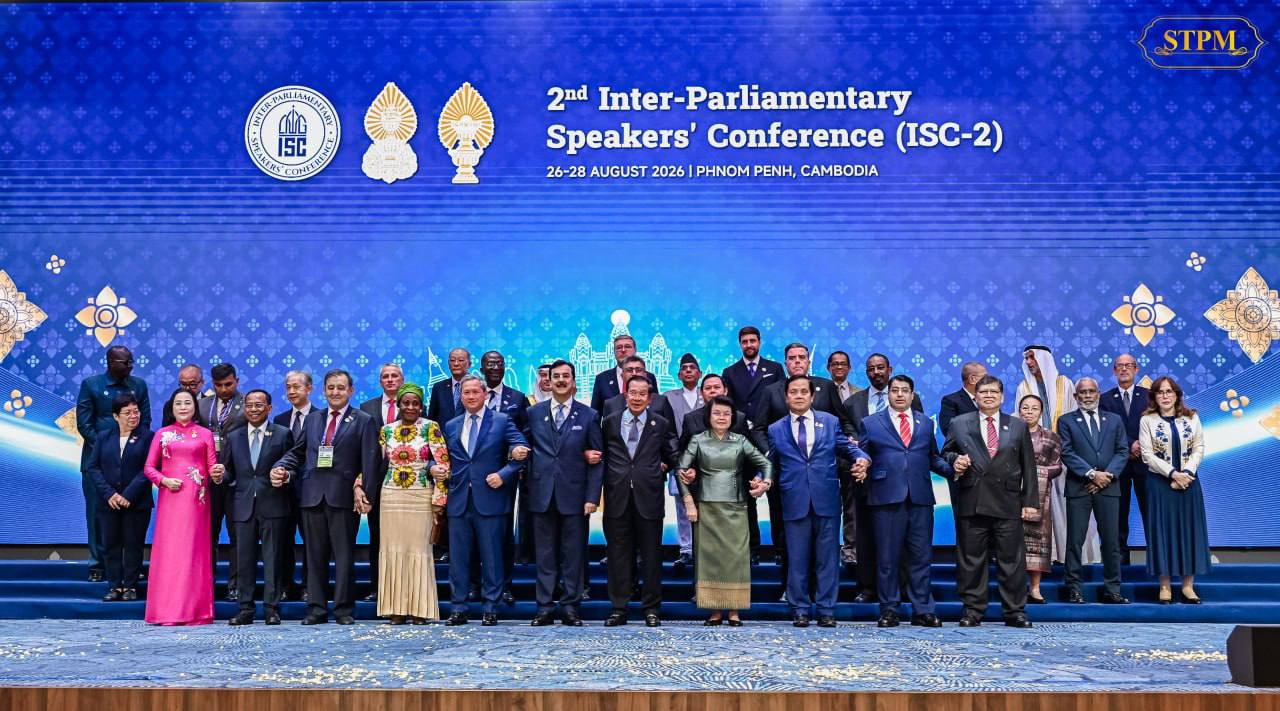 Cambodia Raises Thailand Border Conflict at Global Parliamentary Summit
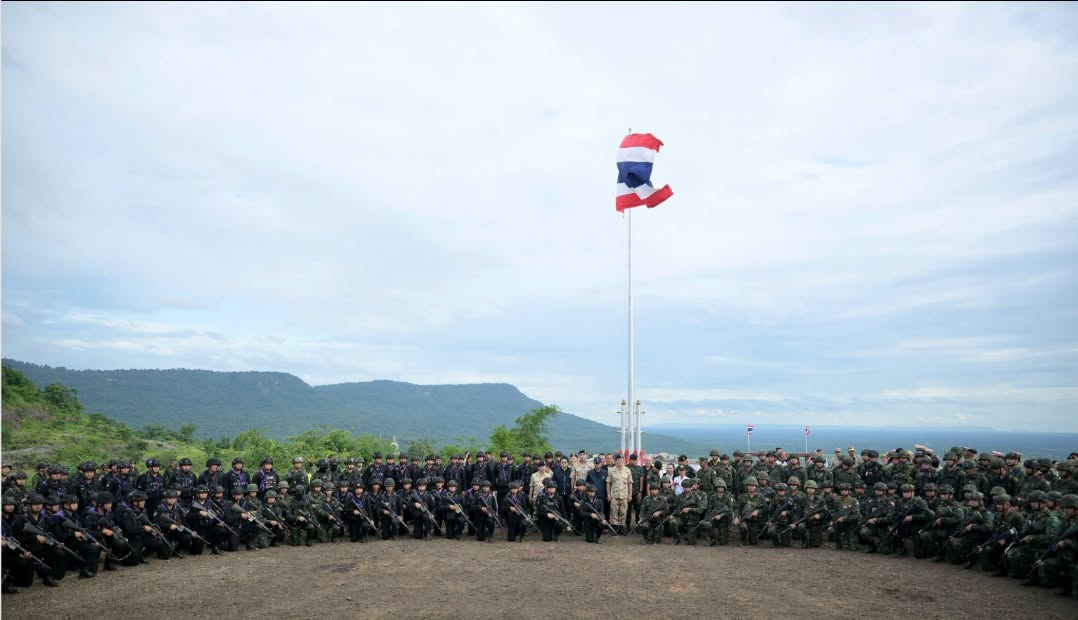 Cambodian Government Strongly Protests Thai Prime Minister’s Unauthorized Visit to Cambodia’s Sovereign Territory in Preah Vihear Province
 UK Minister Calls for Peaceful Cambodia–Thailand Dialogue During First Visit to Cambodia
 Cambodia Lodges Fresh Protest Against Thailand Over Border Road and Military Bunkers
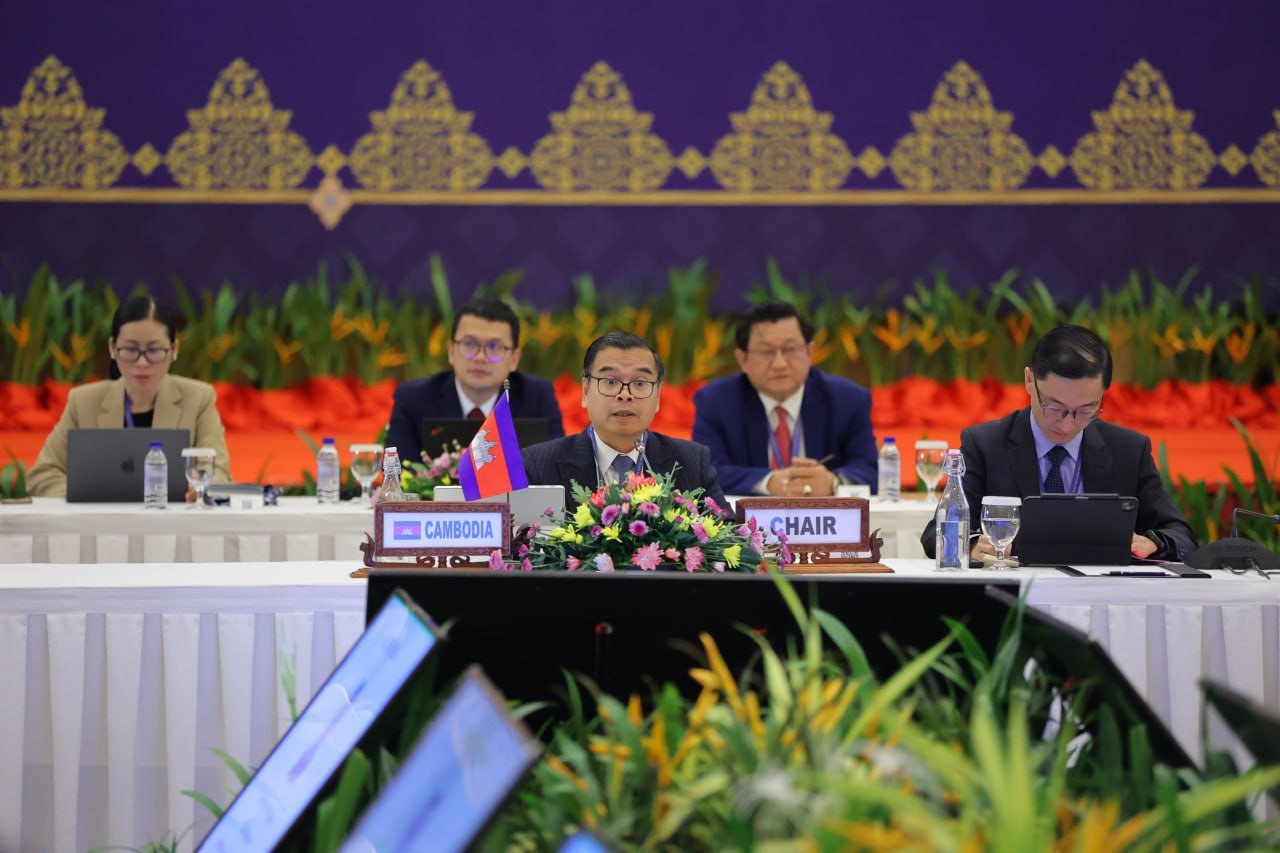 Cambodia Hosts ASEAN Civil Service Meetings to Advance Public Service Innovation
 Thailand Rejects UN Expert’s Findings on Cambodia Human Rights Report, Calls for Balanced Assessment
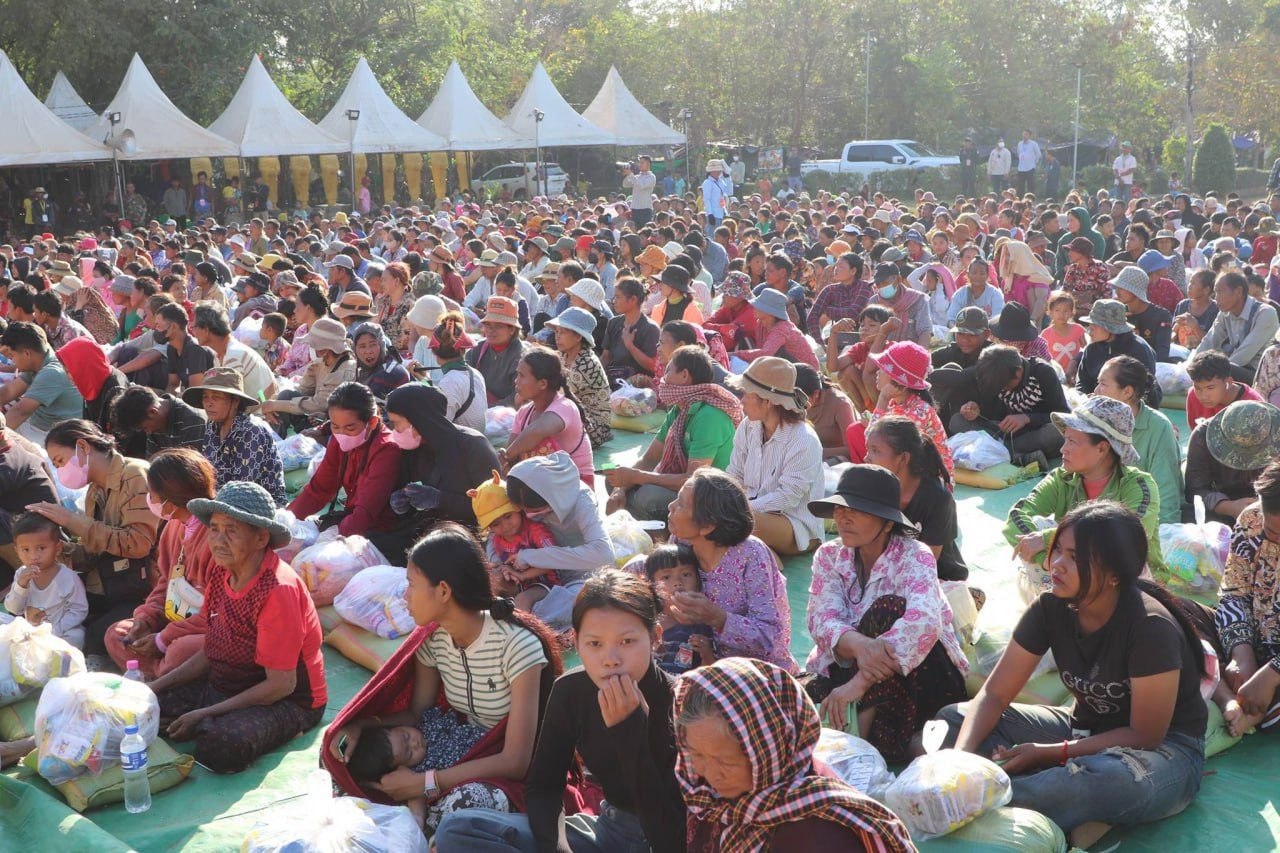 UN Special Rapporteur Calls for Safe Return of Displaced Cambodians
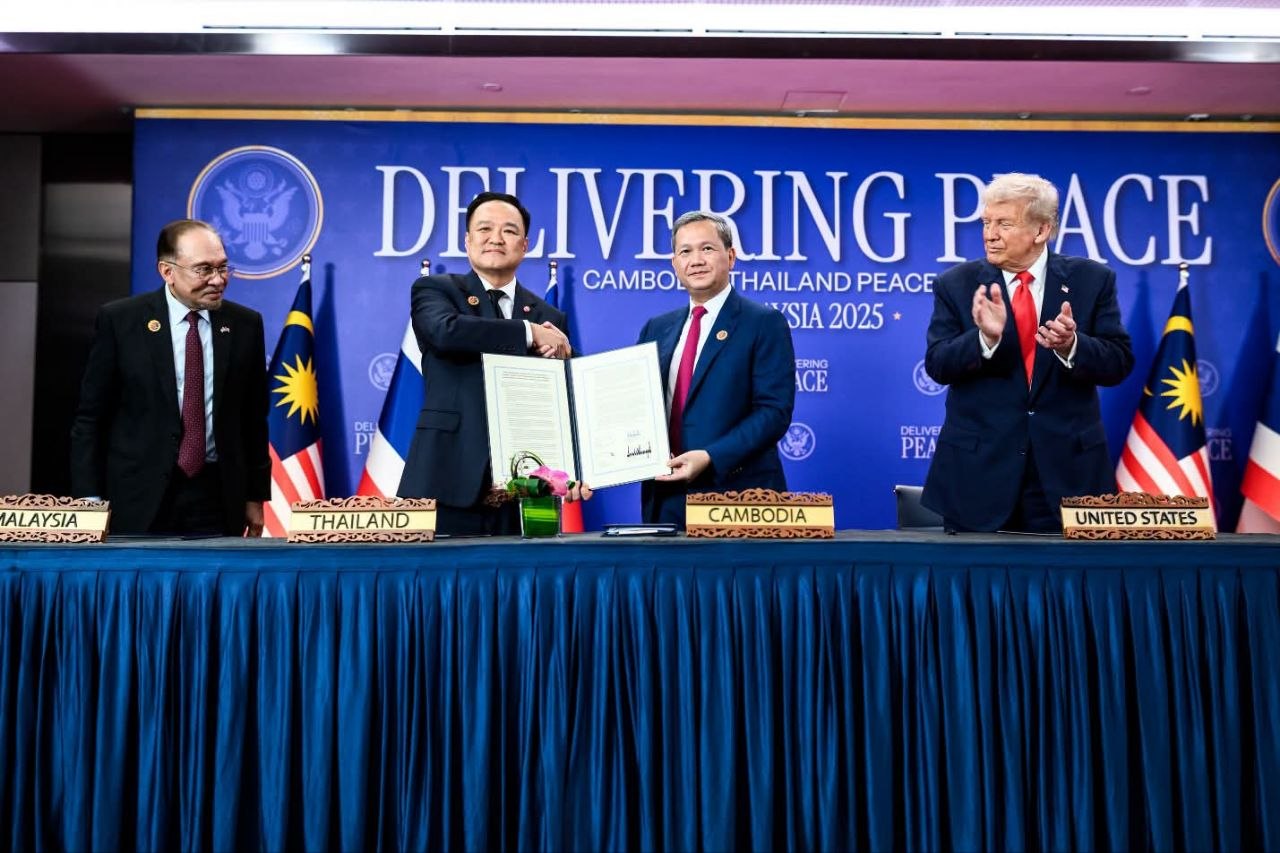 U.S. Embassy Highlights Cambodia–Thailand Peace Agreement as U.N. Expert Assesses Border Conflict's Human Rights Impact
27-សីហា-2026 - ម៉ោង 01:27:PM
26-សីហា-2026 - ម៉ោង 10:46:AM
25-សីហា-2026 - ម៉ោង 12:20:PM
22-សីហា-2026 - ម៉ោង 11:40:AM

© ២០២៣ រក្សាសិទ្ធិគ្រប់យ៉ាងដោយ BAITONGPOST
#35,St 1013, Phnom Penh Thmei, Sen Sok, , Phnom Penh, Cambodia
