SIEM REAP, Cambodia's government, labour organizations, civil society groups and private-sector representatives on Tuesday called for stronger social dialogue and wider social protection coverage for informal workers, saying closer cooperation is needed to ensure millions of workers outside the formal economy gain access to decent work, social security and public services.
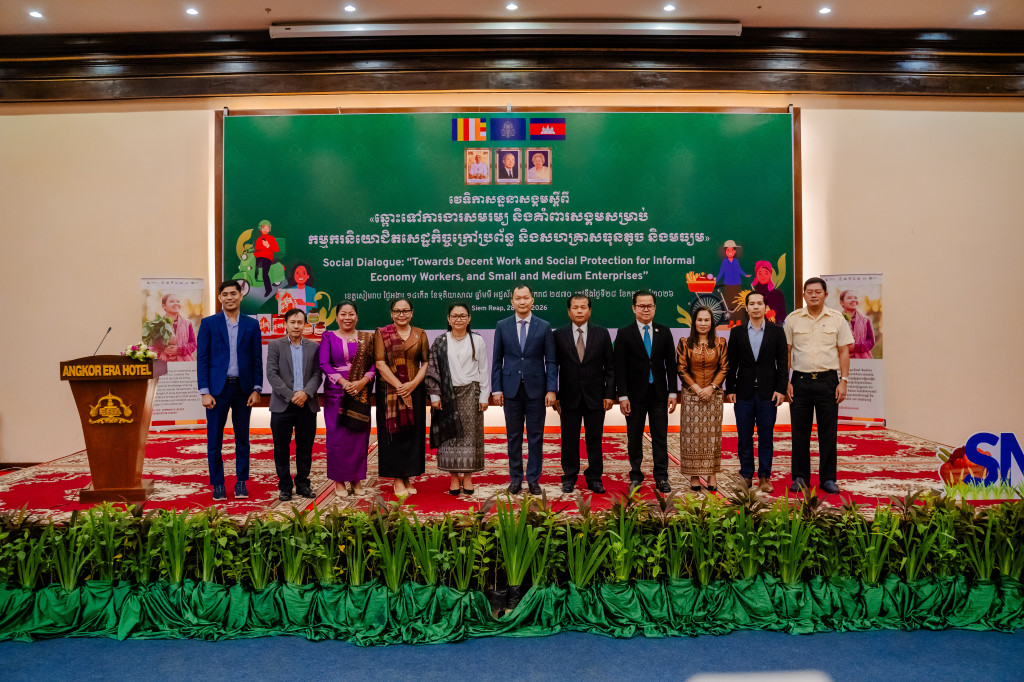
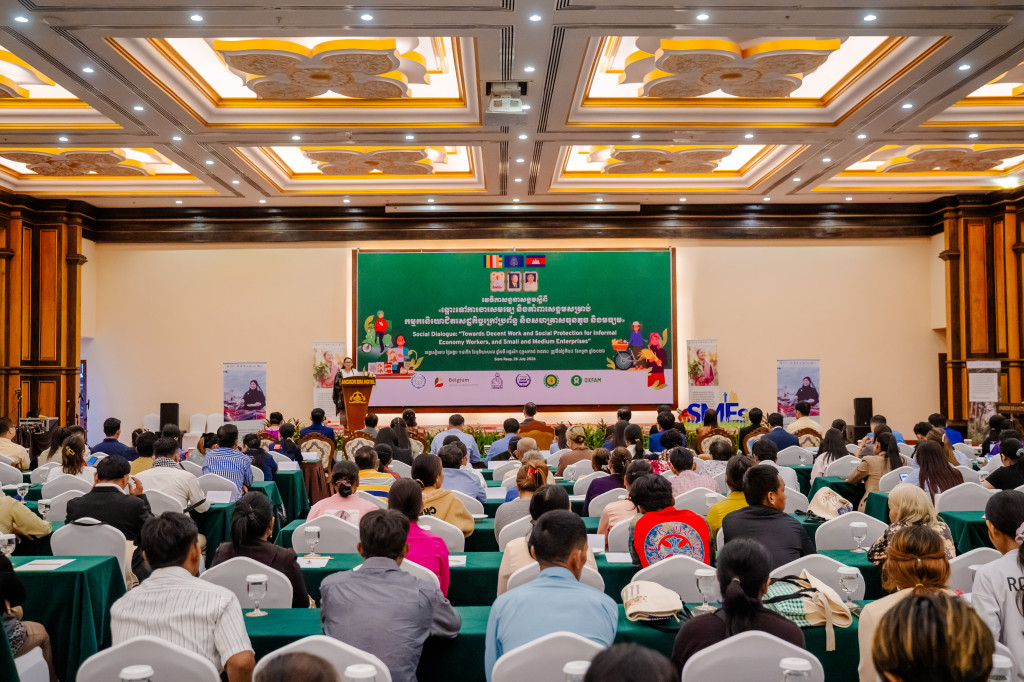
The call came during a national social dialogue forum on "Towards Decent Work and Social Protection for Workers in the Informal Economy and Micro, Small and Medium Enterprises (MSMEs)," jointly organized by the Coalition of Cambodian Farmers Community (CCFC), the Independent Democratic Association of the Informal Economy (IDEA), Banteay Srei and Oxfam Cambodia.
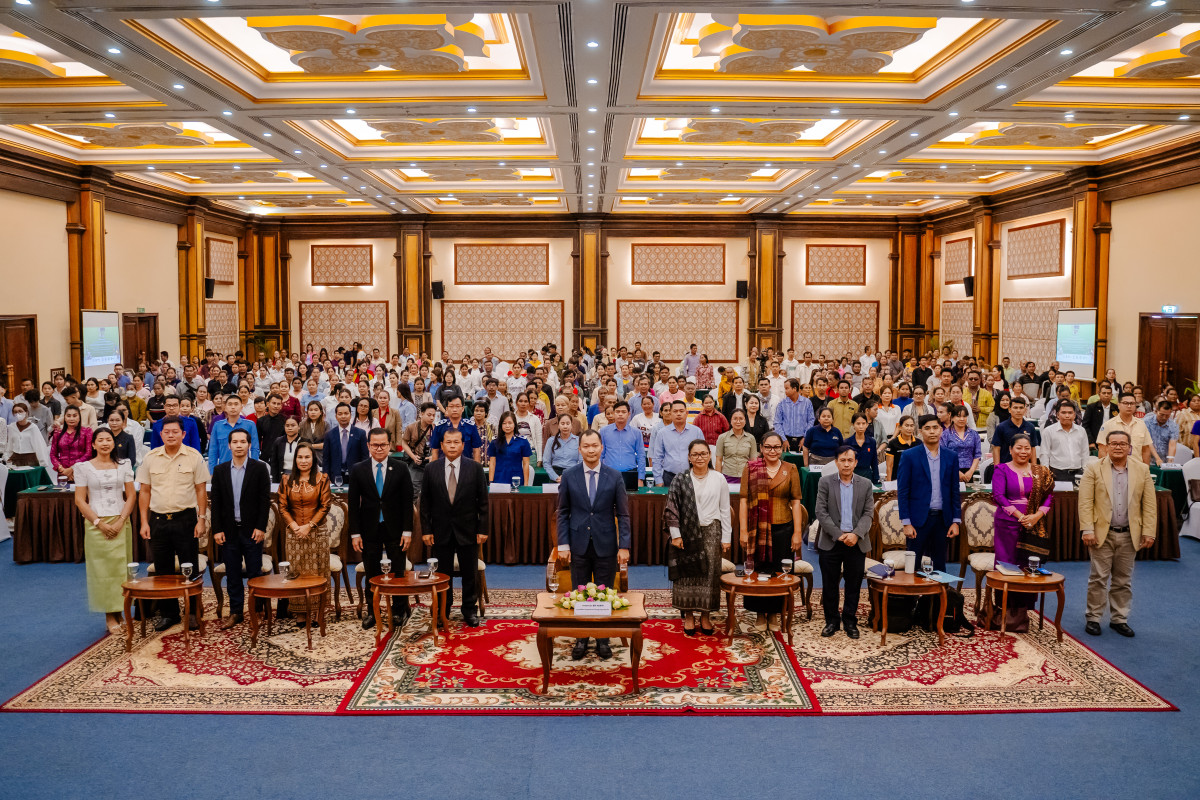
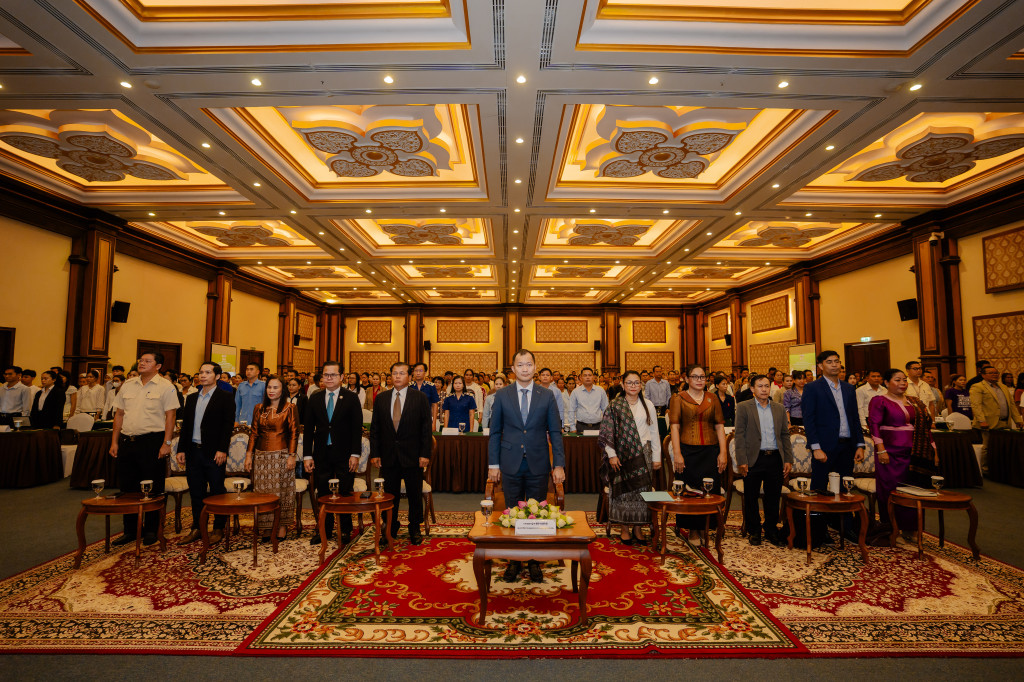
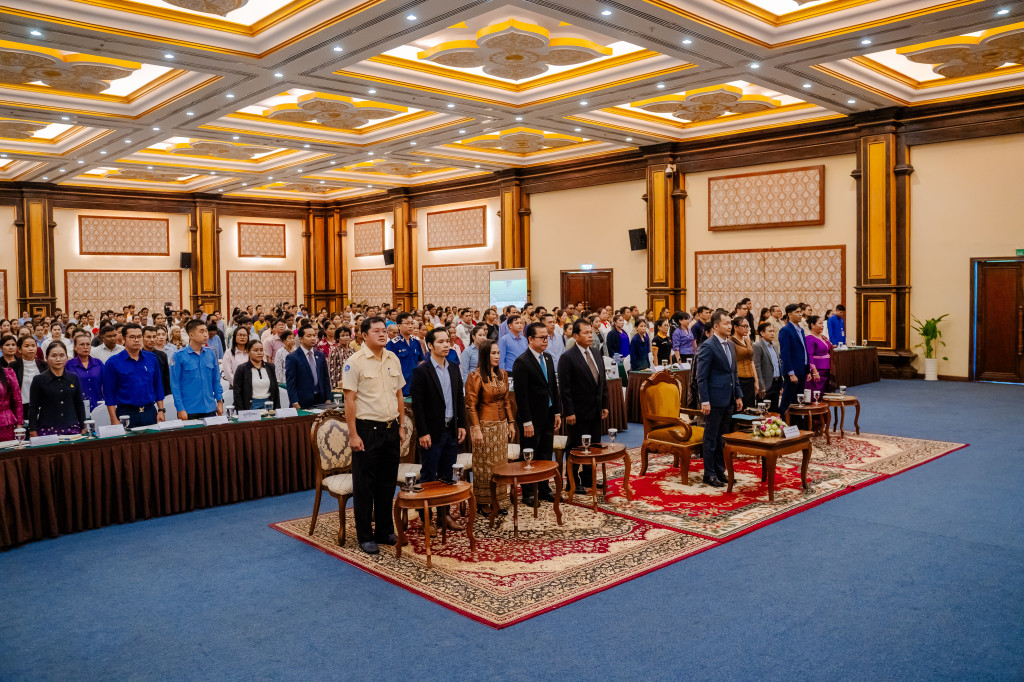
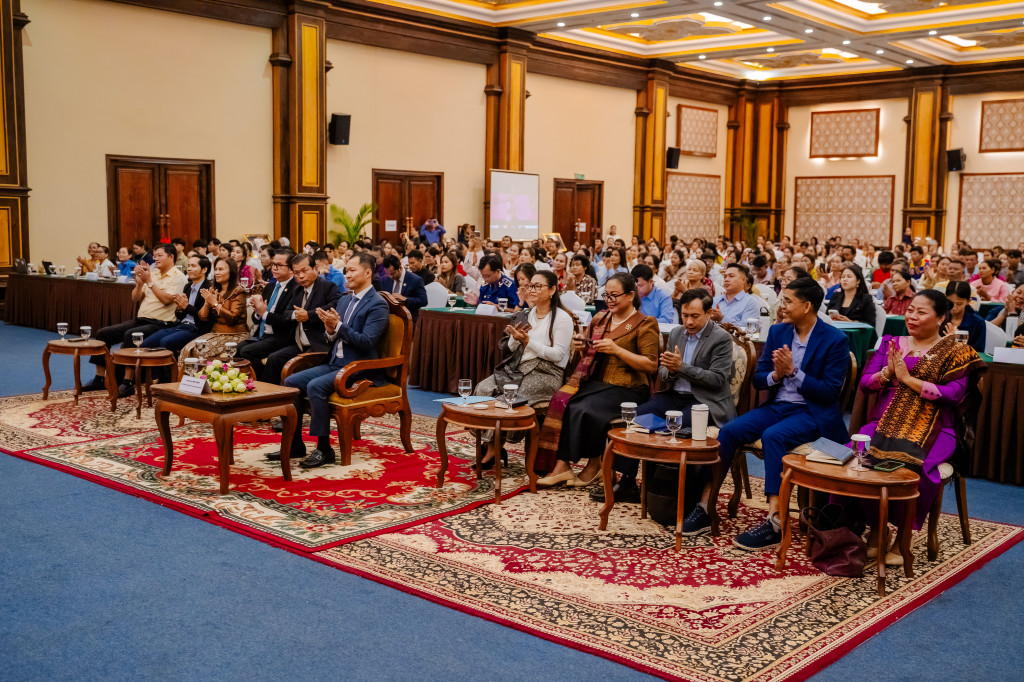
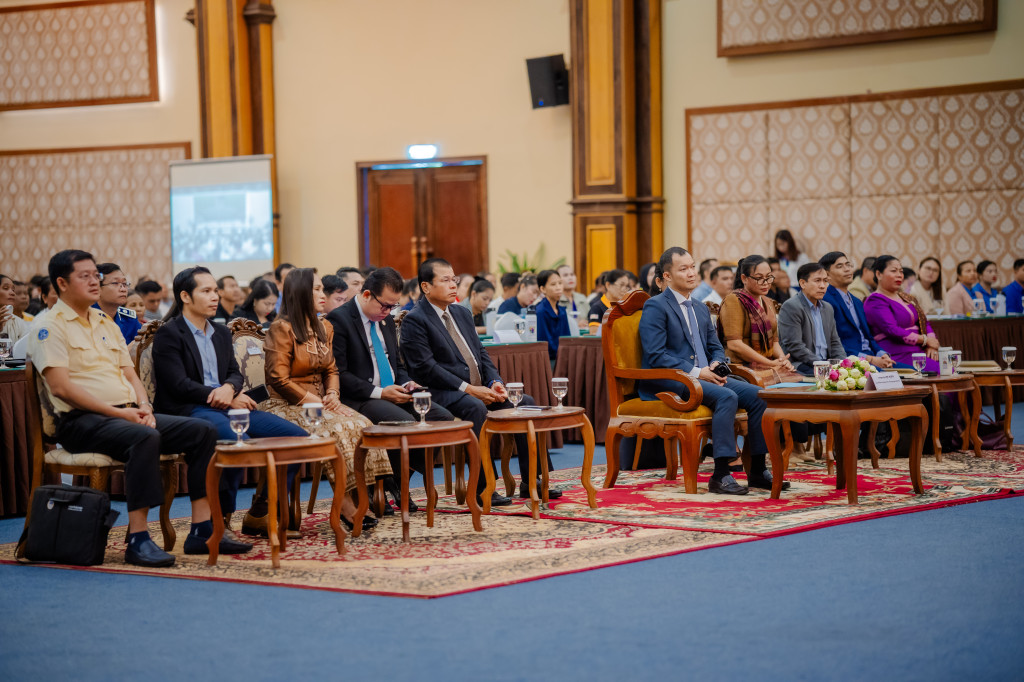
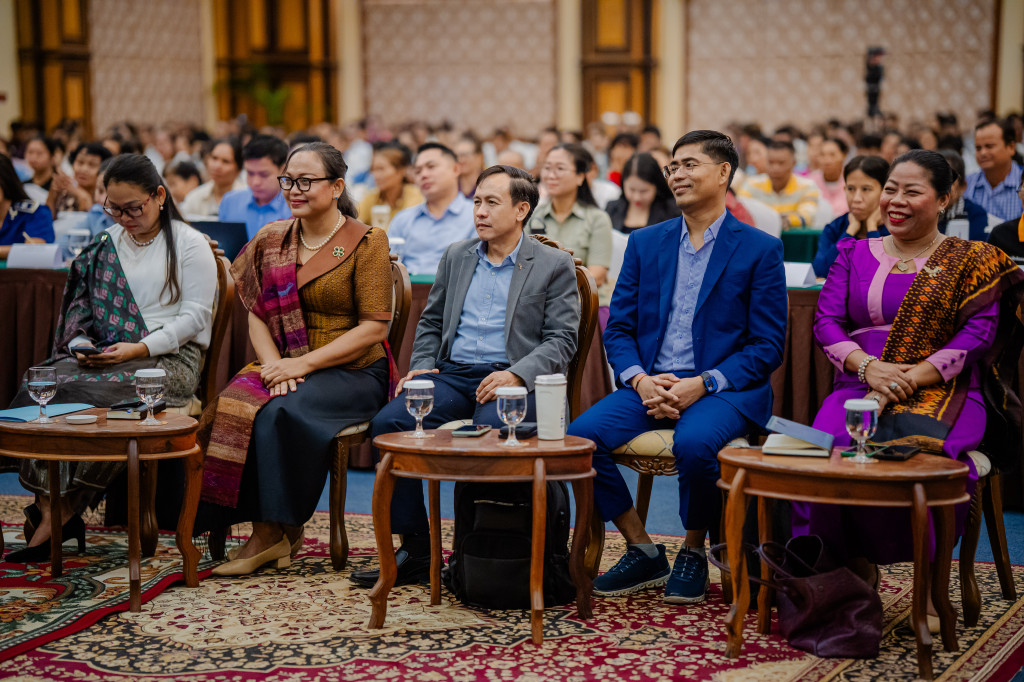
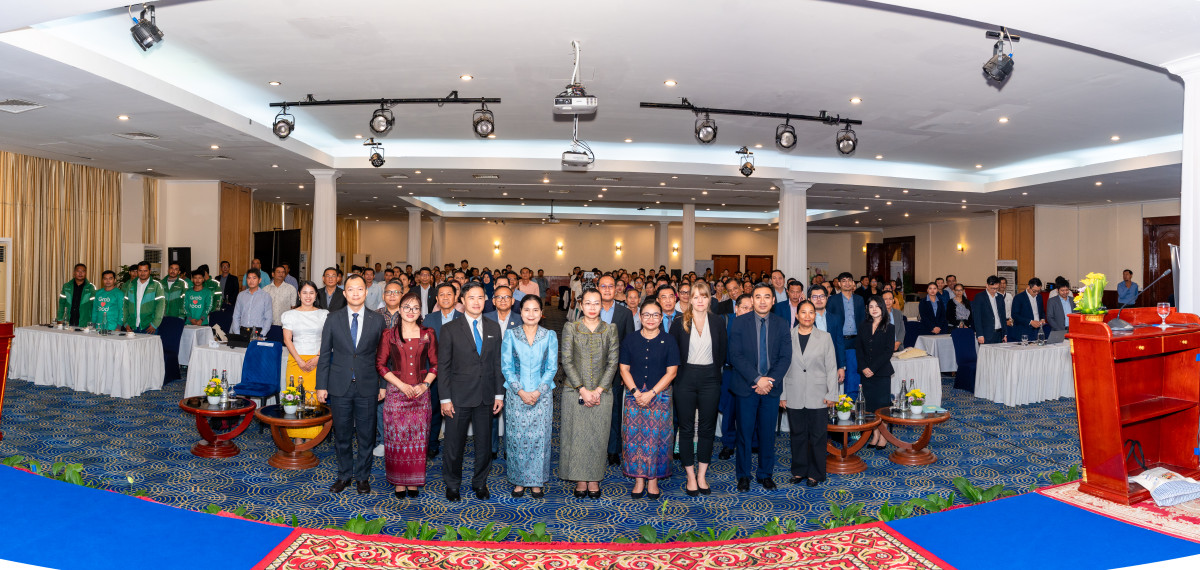
More than 500 participants, around 65% of them women, attended the forum, including representatives from government ministries, provincial authorities, labour unions, civil society organizations, development partners, private businesses and workers from Cambodia's informal economy, including street vendors, domestic workers, food delivery workers, smallholder farmers and owners of micro and small enterprises.
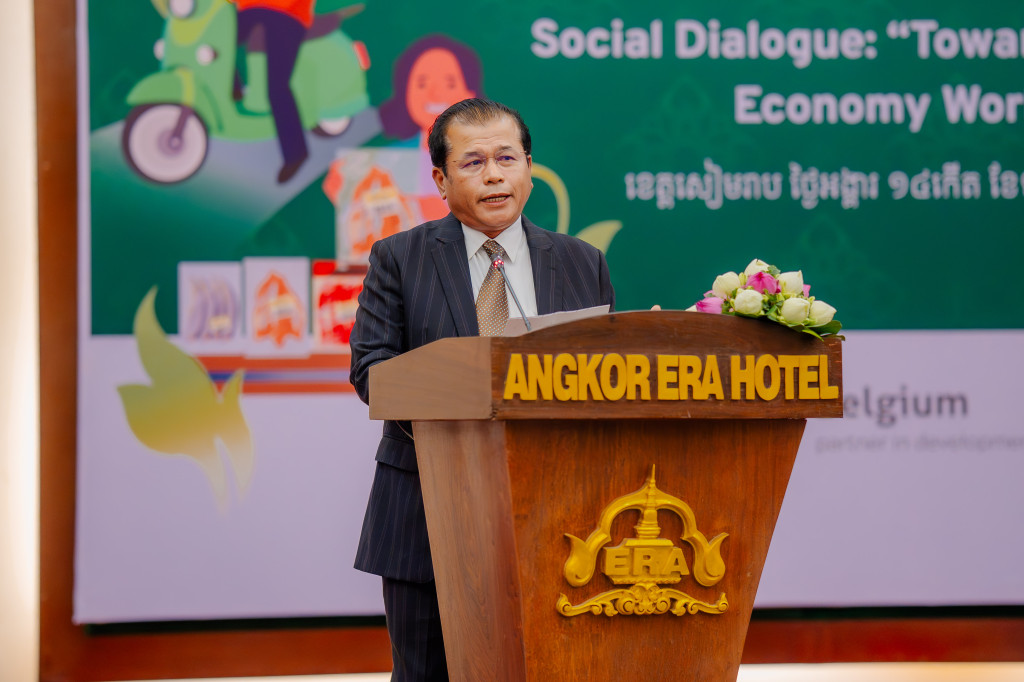
Opening the forum, Mr. Kuoch Somean, Secretary of State at the Ministry of Labour and Vocational Training, said Cambodia has made expanding decent work and social protection a national priority through the National Strategy for Informal Economy Development 2023–2028.
He said the government has introduced a digital registration platform to simplify access for informal workers, reduce administrative procedures and connect them with government services.
According to the ministry, about 450,000 informal economy workers and business entities had registered on the digital platform as of July 24, 2026, including approximately 440,000 self-employed workers.
"Joining the formal system is not simply about registration or taxation," Kuoch Somean said. "Our objective is to ensure that workers and entrepreneurs receive tangible benefits, including legal recognition of their businesses, vocational training, better market access, financing opportunities, participation in the National Social Security Fund (NSSF), and easier access to government services."
He said registered food producers complying with national standards would have greater opportunities to supply supermarkets, hotels and restaurants, while small business owners maintaining proper financial records would find it easier to obtain bank loans to expand their businesses.
However, the labour ministry acknowledged that challenges remain in translating policy into practical benefits.
"We recognize that there is still a gap between policy and implementation," Kuoch Somean said. "Government programmes are meaningful only if people know about them and can actually access them. Digital services are useful only if users understand how to use them and receive assistance when needed."
He urged government agencies, financial institutions and vocational training providers to bring public services closer to communities, simplify procedures and expand employment and skills development opportunities, particularly for workers in the informal economy and small businesses.
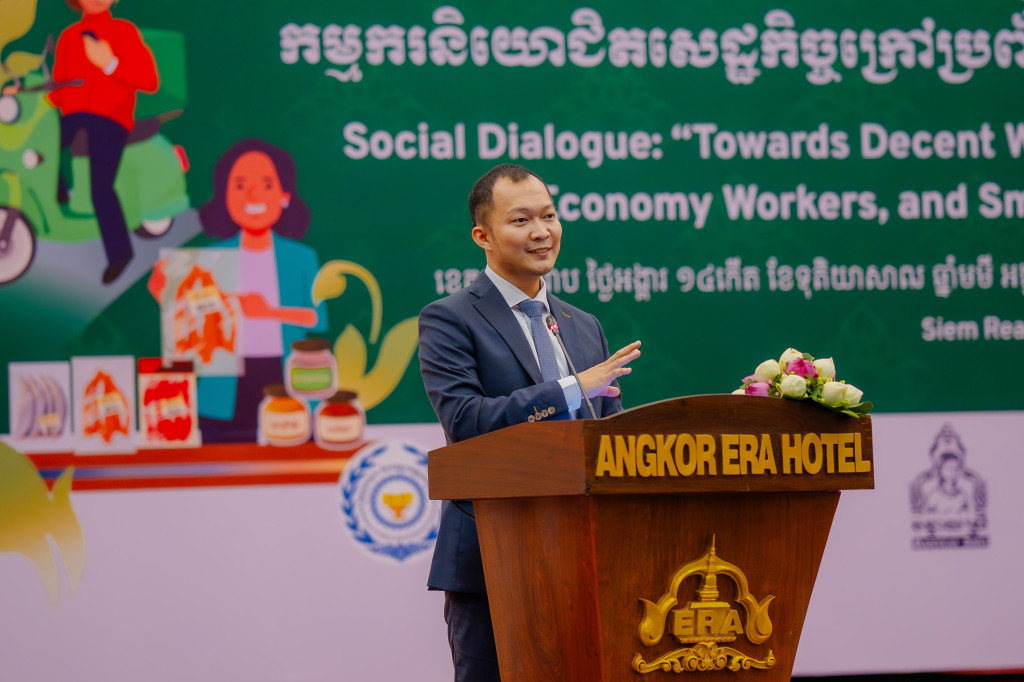
Mr. Ngov Seng Kak, Deputy Governor of Siem Reap Province, said the forum provided an important platform for dialogue among government institutions, development partners, civil society organizations and the private sector to strengthen decent work, expand social protection and promote inclusive economic development.
"This forum is more than a venue for discussion. It serves as an important mechanism for strengthening cooperation among government, the private sector, civil society and development partners to identify practical solutions that respond to the needs of informal workers and small businesses," Ngov Seng Kak said.
He said the Siem Reap Provincial Administration remains committed to working closely with the Ministry of Labour and Vocational Training, relevant government agencies, development partners, the private sector and civil society organizations to implement government policies effectively.
"The provincial administration is committed to supporting policies and programmes that promote decent work, strengthen social protection and advance inclusive development, with the goal of improving people's livelihoods and well-being," he said.
Representing the development partners, Ms. Phean Sophean, Country Director of Oxfam Cambodia, said the forum was organized under cooperation between the Ministry of Labour, Oxfam and partner organizations, with financial support from the Government of Belgium through the Directorate-General for Development Cooperation (DGD).
She said the initiative seeks to strengthen social protection systems while creating opportunities for informal workers, women, youth, farmers and MSMEs to engage directly with policymakers.
"Social dialogue is essential because it allows workers and entrepreneurs to bring their concerns, needs and recommendations directly to government institutions," Phean Sophean said. "Effective social protection requires transparency, accountability and genuine participation from all stakeholders."
She added that Oxfam and its partners are working with the Cambodian government to promote women's economic empowerment, entrepreneurship, climate resilience and gender-responsive social protection.
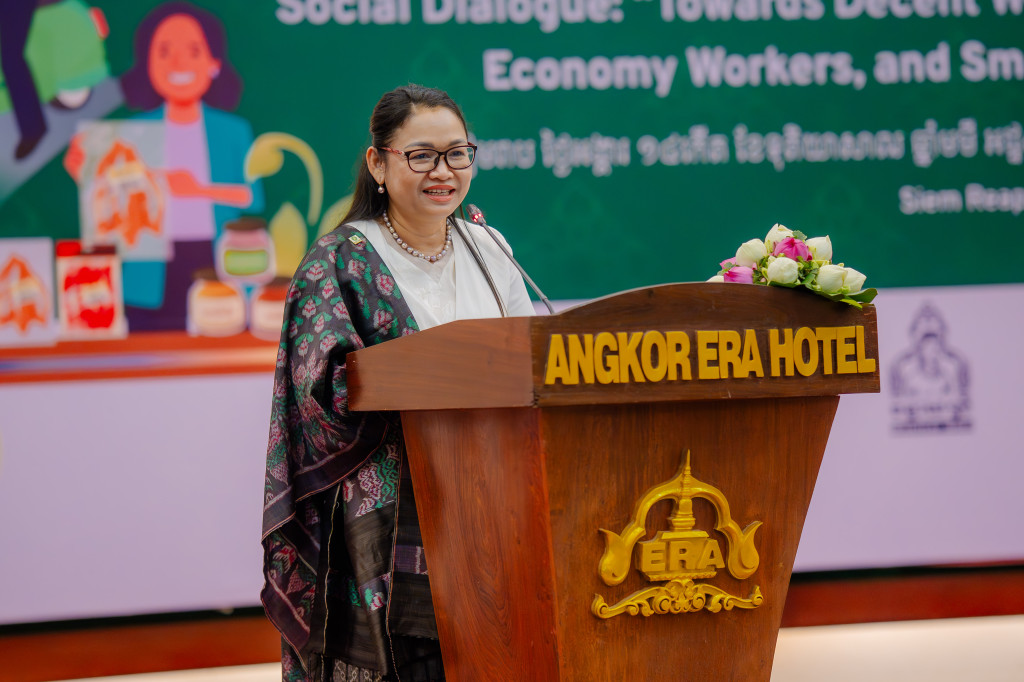
Calling for stronger cooperation, Phean Sophean urged policymakers and businesses to recognize the economic contribution of informal workers and micro, small and medium-sized enterprises.
"Informal workers and MSMEs are not only economic actors; they are leaders within their communities," she said. "They deserve greater access to skills development, finance, social protection and labour rights. When they thrive with dignity and fairness, communities become stronger and Cambodia's economy grows more inclusively."
Participants at the forum said many informal workers continue to face limited access to social protection, occupational safety, healthcare, legal recognition and affordable finance.
They called for stronger collaboration among government institutions, employers, labour organizations and civil society to improve labour policies and ensure that social protection programmes better respond to the realities faced by Cambodia's informal workforce, which plays a significant role in supporting the country's economic growth and sustainable development.
 Government, Partners Push Decent Work for Informal Workers
 Cambodia Pushes to Expand Social Protection for Formal and Informal Workers
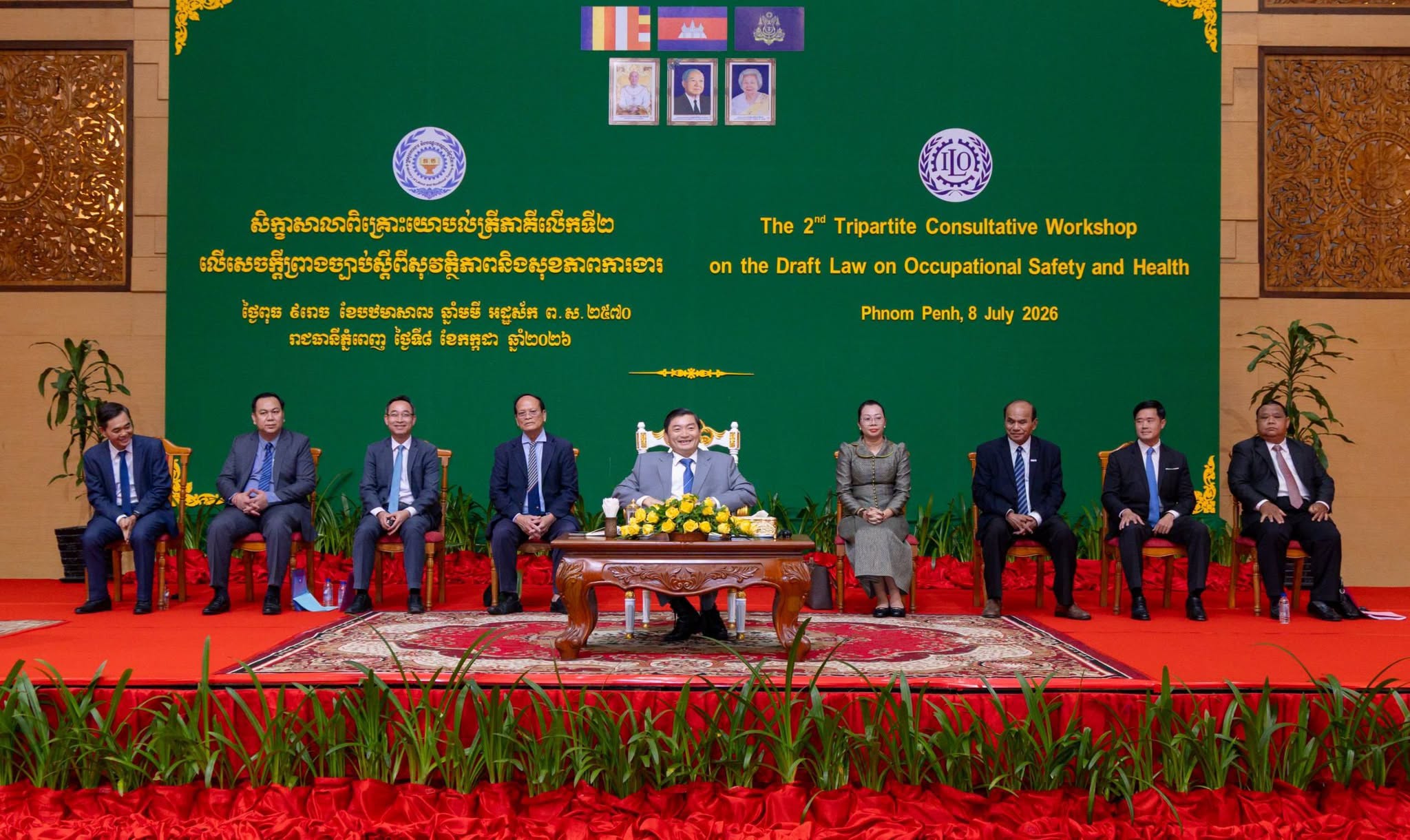 Cambodia Takes Another Step Toward Enacting an Occupational Safety and Health Law
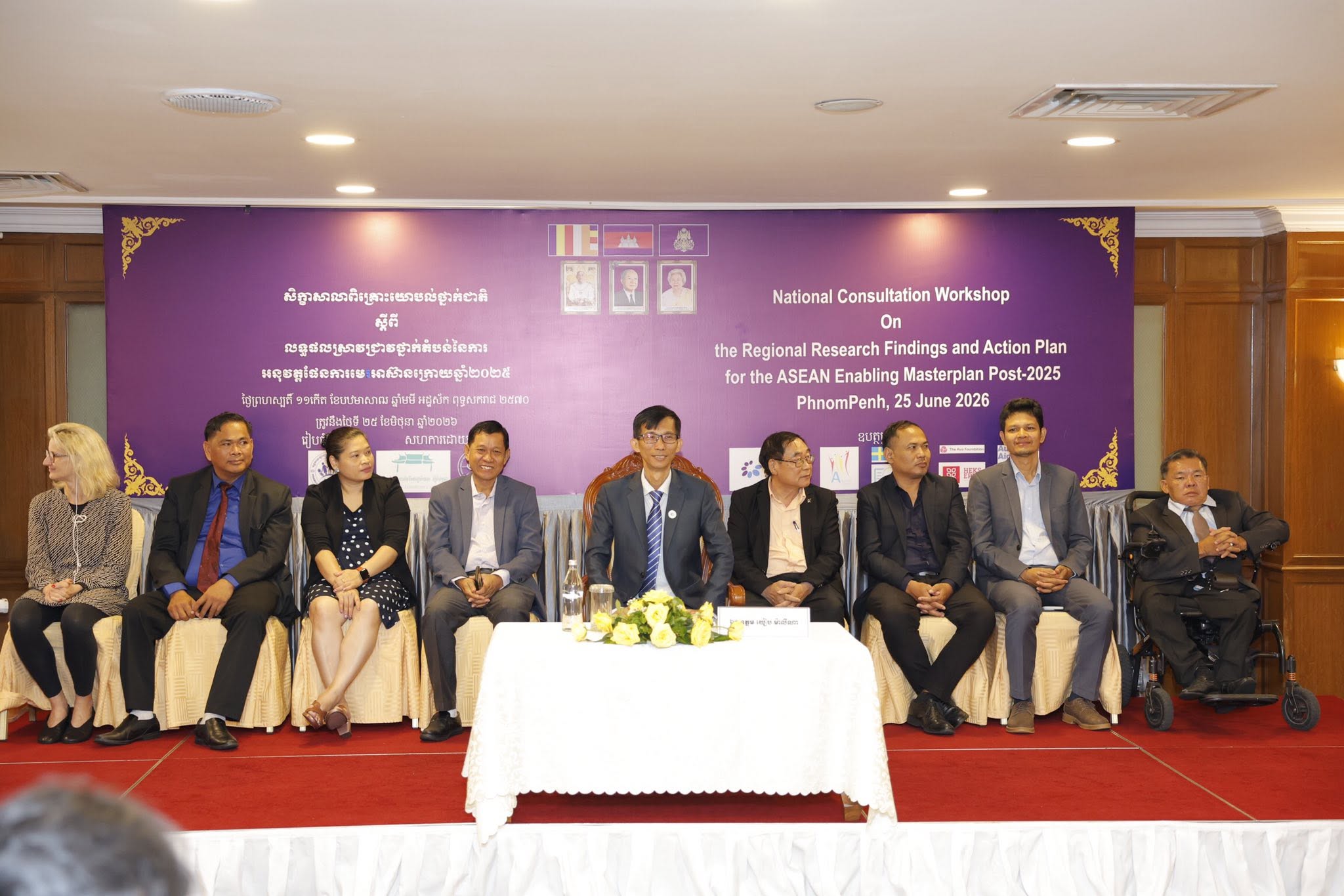 Cambodian Civil Society Calls on ASEAN to Strengthen Disability Rights in Post-2025 Regional Masterplan
 Acting Head of State Warns Corrupt Officials and Smugglers Over Illegal Thai Imports
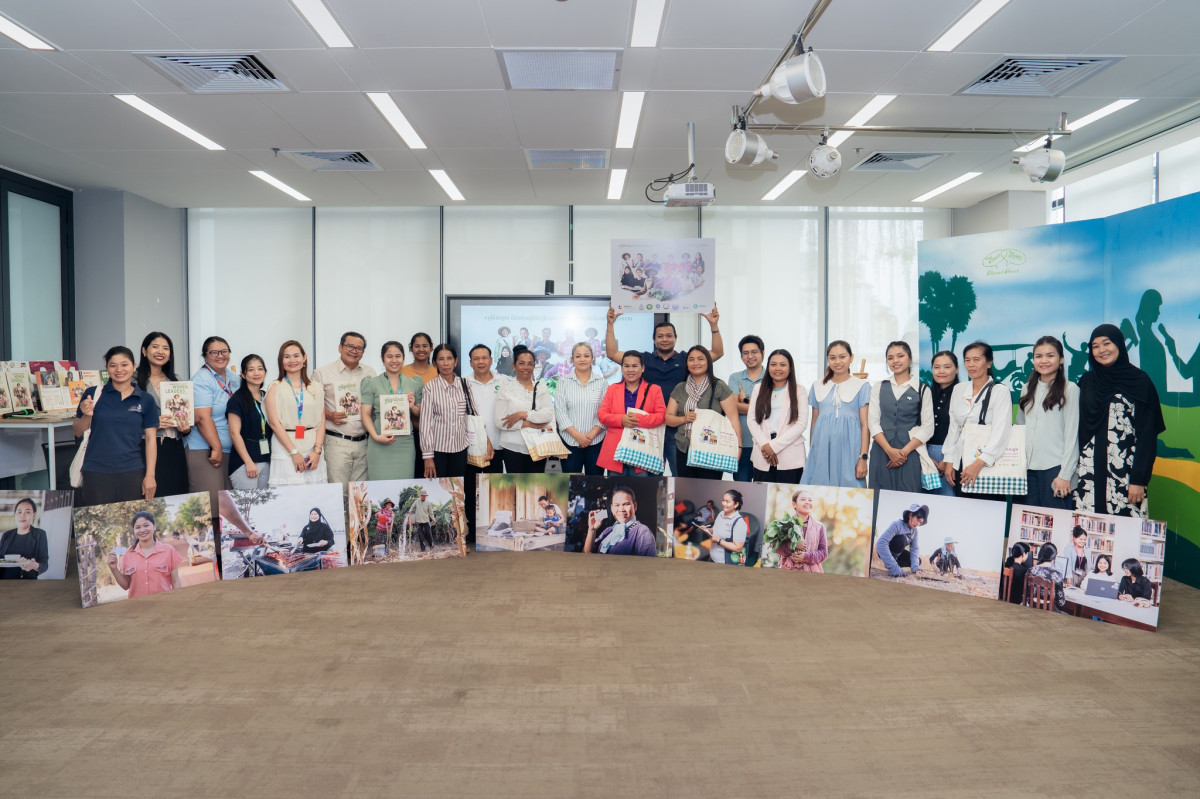 Oxfam Highlights Women’s Hidden Contributions to Cambodia’s Agri-Food Sector and the Importance of Social Protection
 Stung Treng Governor Says He Would Rather Be Hated by Criminals Than by Citizens Over Online Scams
 93% of Informal Economy Workers Self-Registered Through Digital Platform
 Cambodia Promotes Engineering Human Capital Development in ASEAN to Support National Growth
22-កក្តដា-2026 - ម៉ោង 03:10:PM
11-កក្តដា-2026 - ម៉ោង 03:05:PM
25-មិថុនា-2026 - ម៉ោង 10:16:PM
13-មិថុនា-2026 - ម៉ោង 03:15:PM


© ២០២៣ រក្សាសិទ្ធិគ្រប់យ៉ាងដោយ BAITONGPOST
#35,St 1013, Phnom Penh Thmei, Sen Sok, , Phnom Penh, Cambodia