
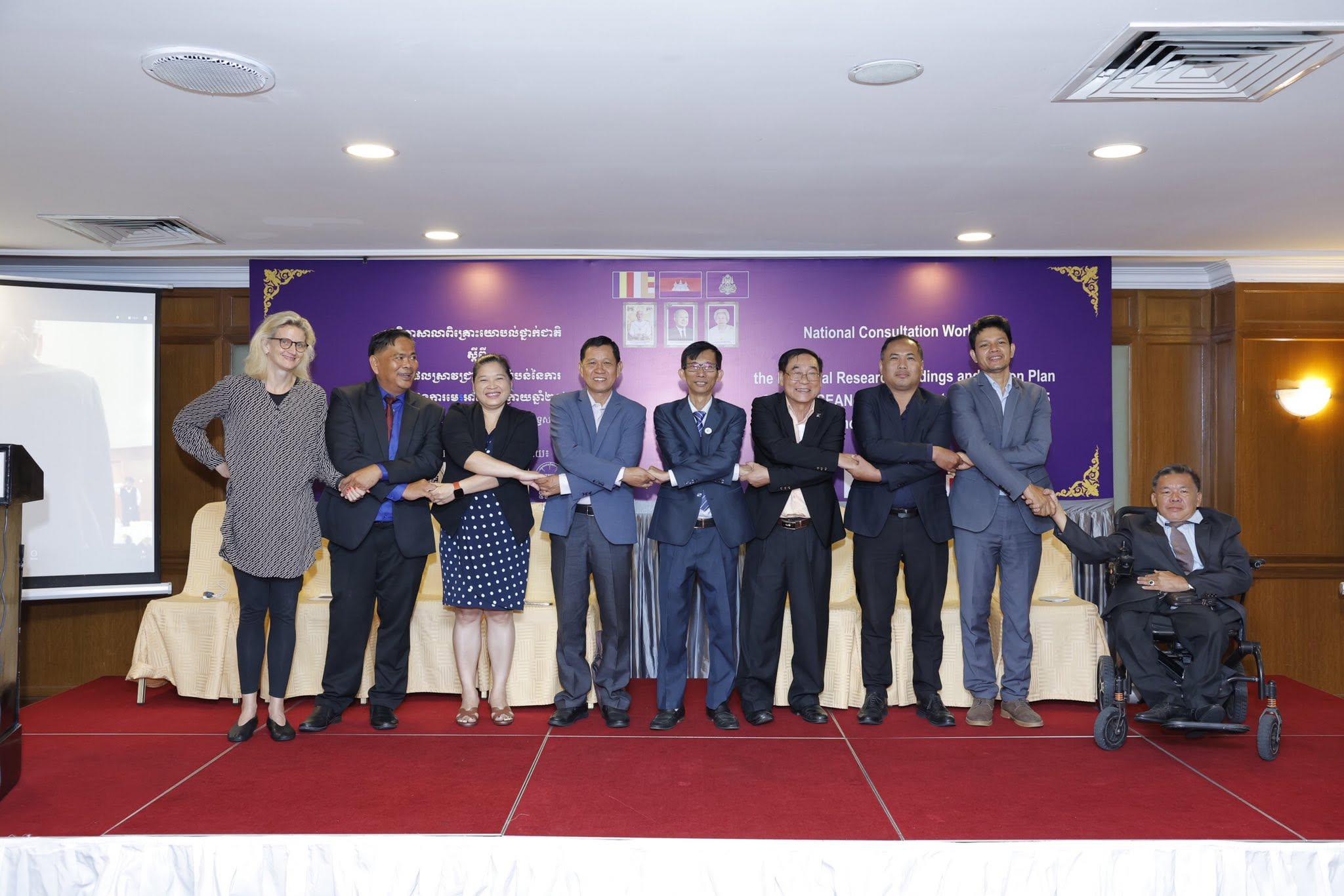
PHNOM PENH, Cambodia, June 25, 2026 — Cambodian civil society organizations, government institutions, and international development partners have joined forces to shape the ASEAN Enabling Masterplan Post-2025, calling for stronger commitments to disability rights, inclusive taxation, digital accessibility, and social protection across Southeast Asia.
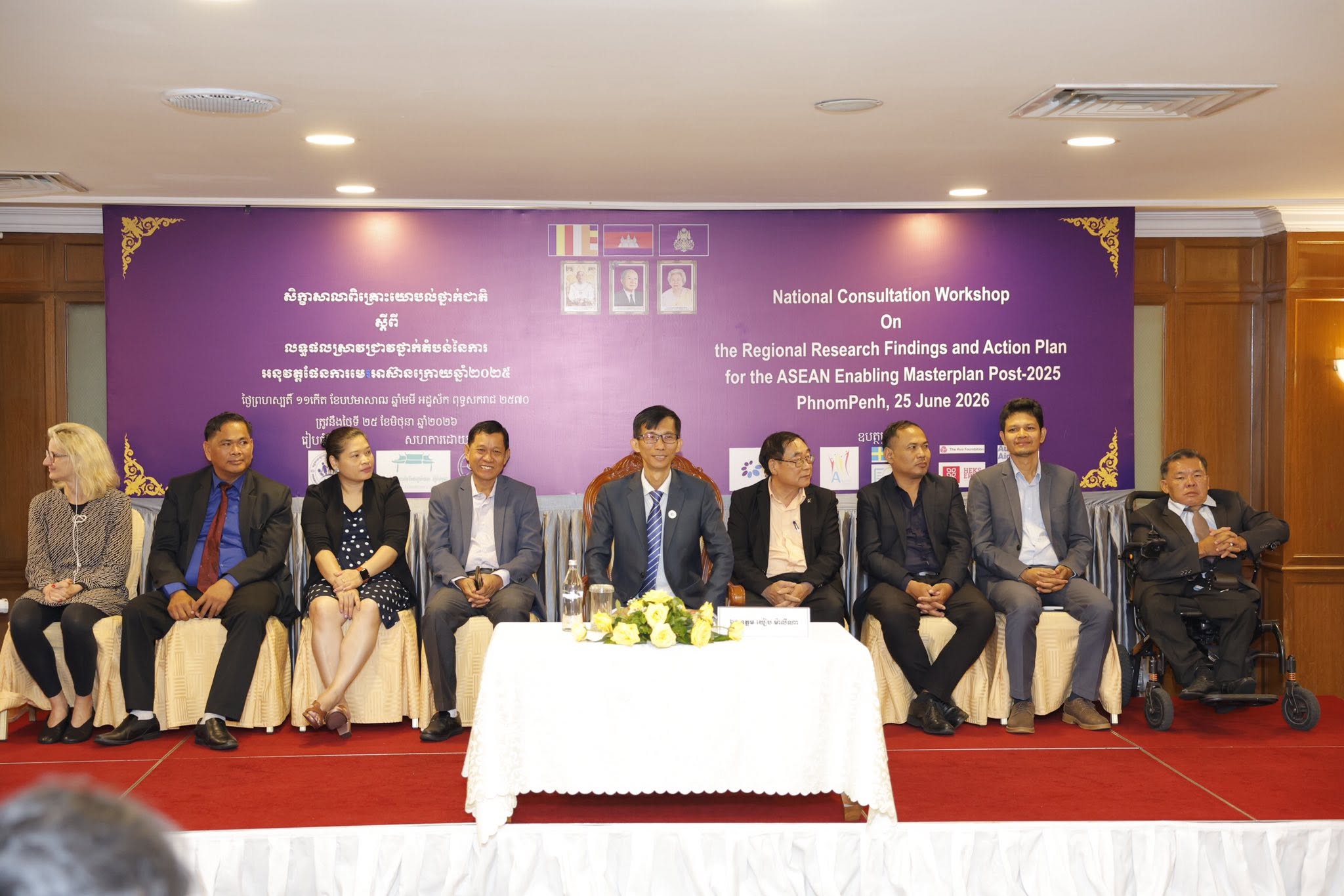
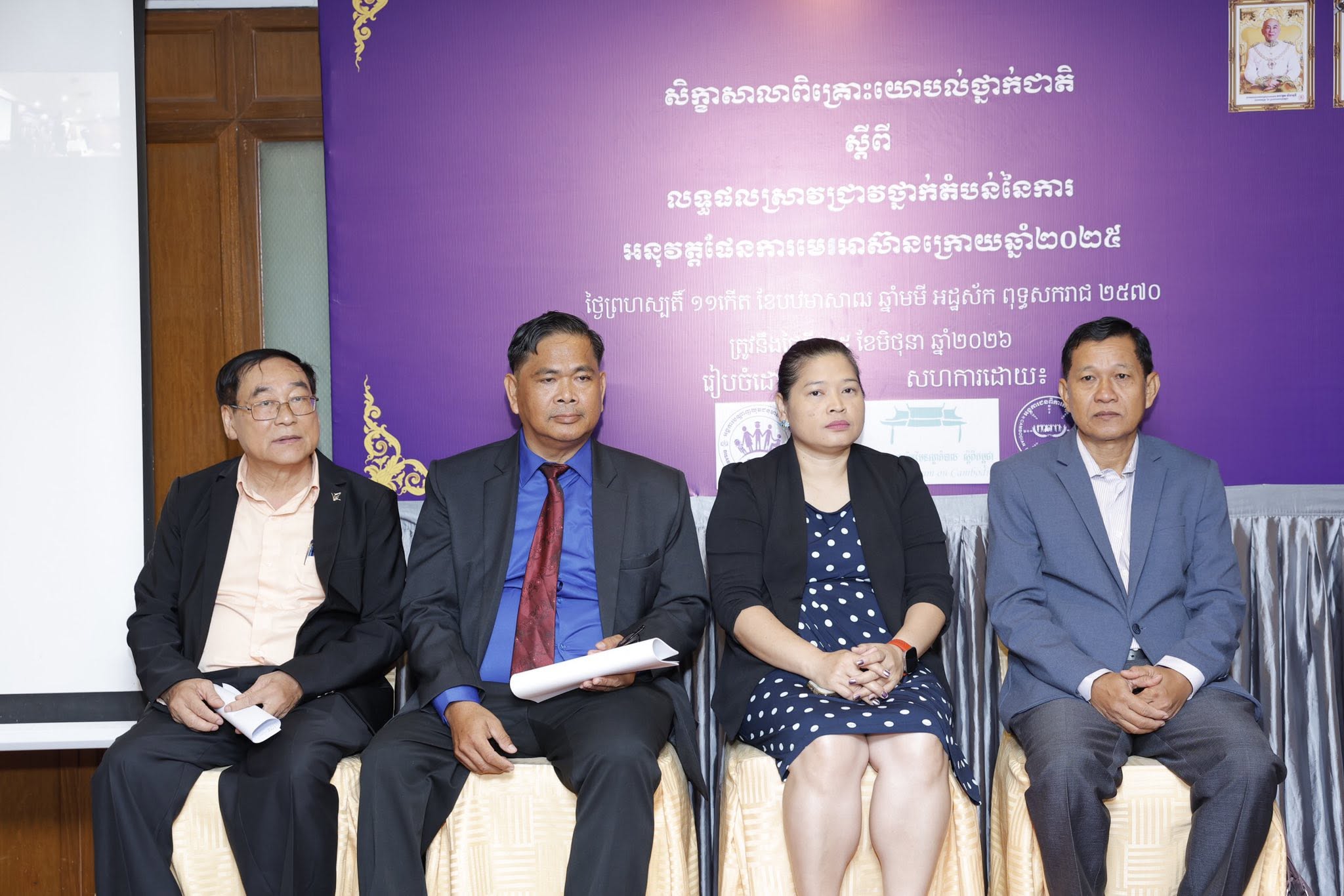
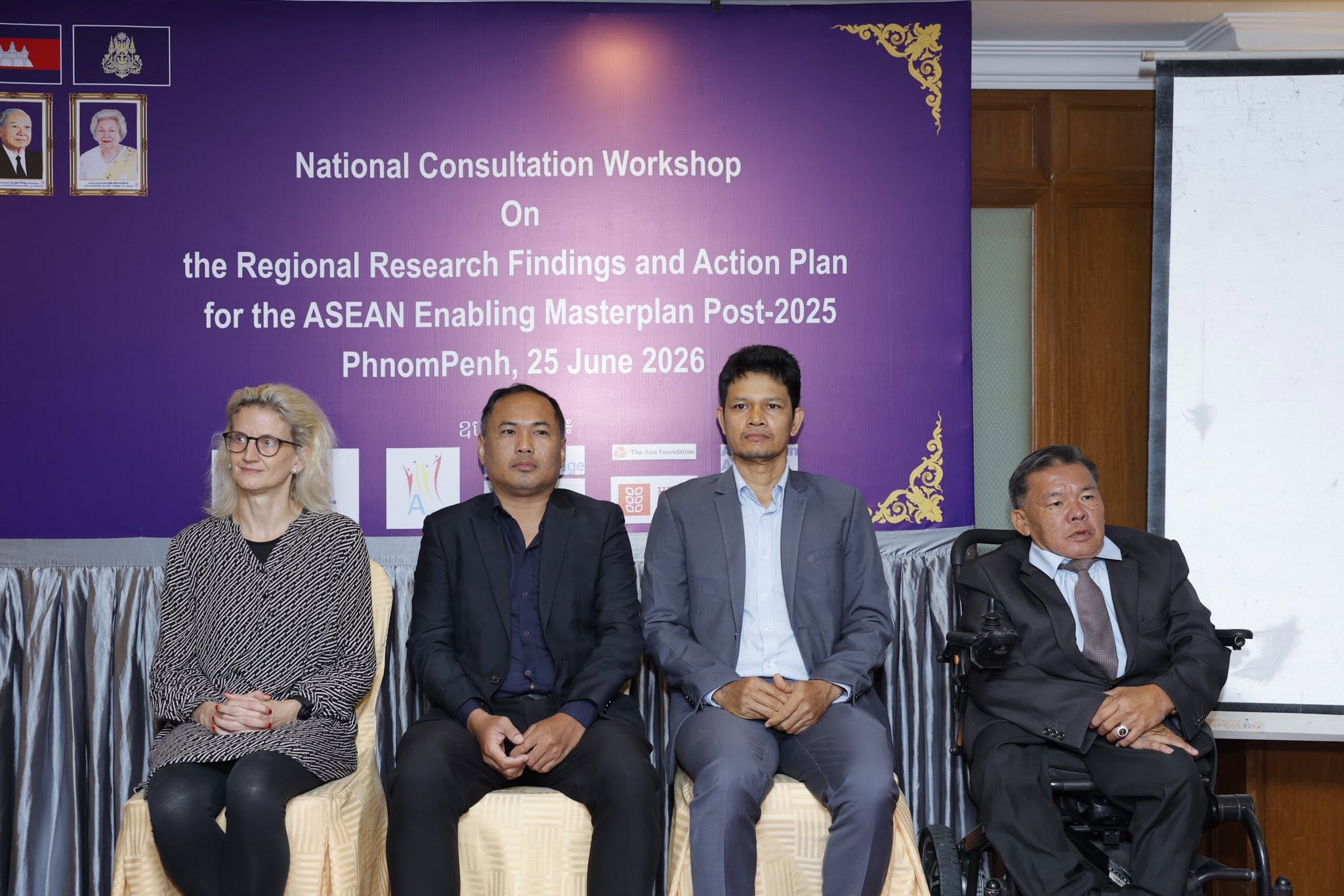
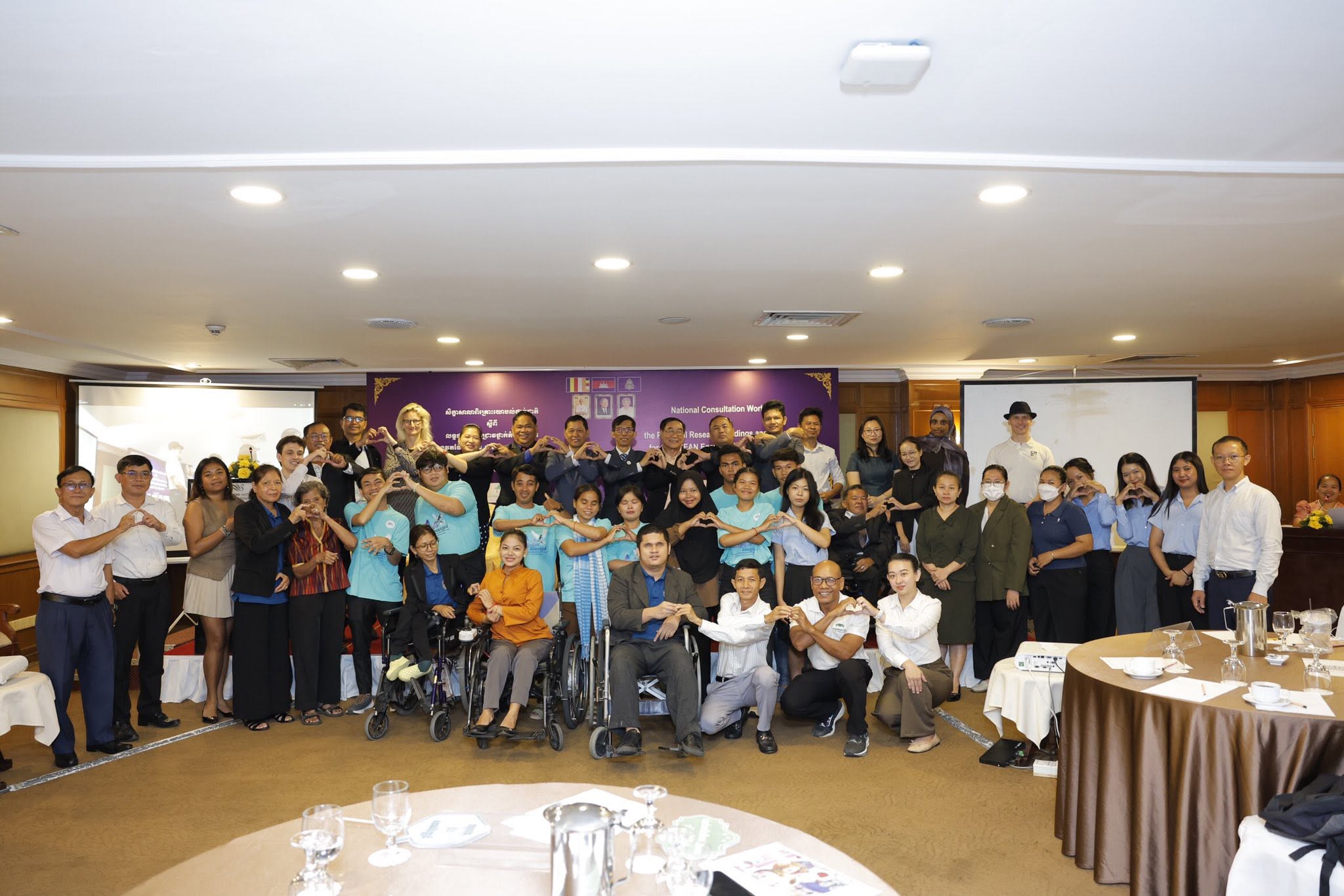
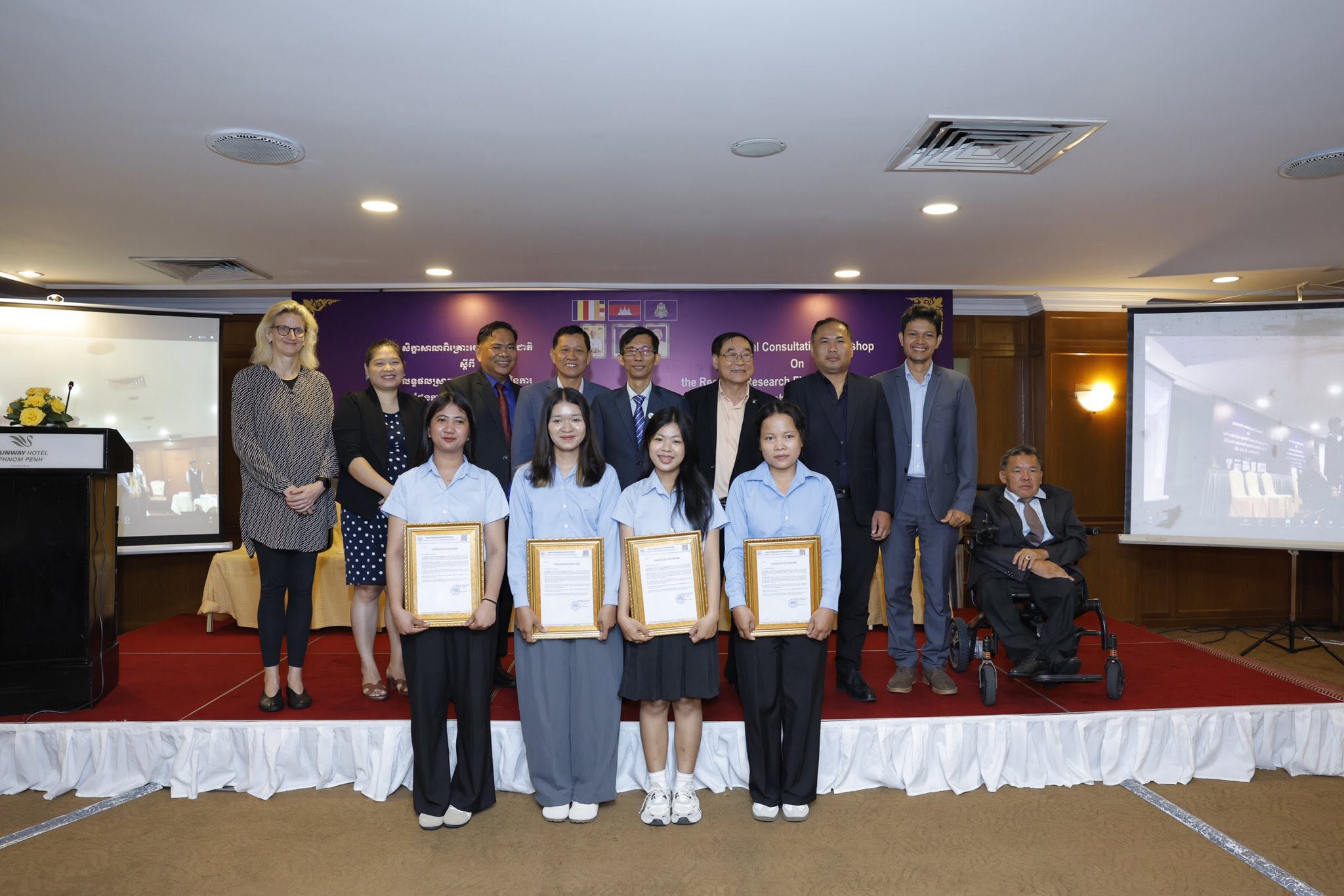
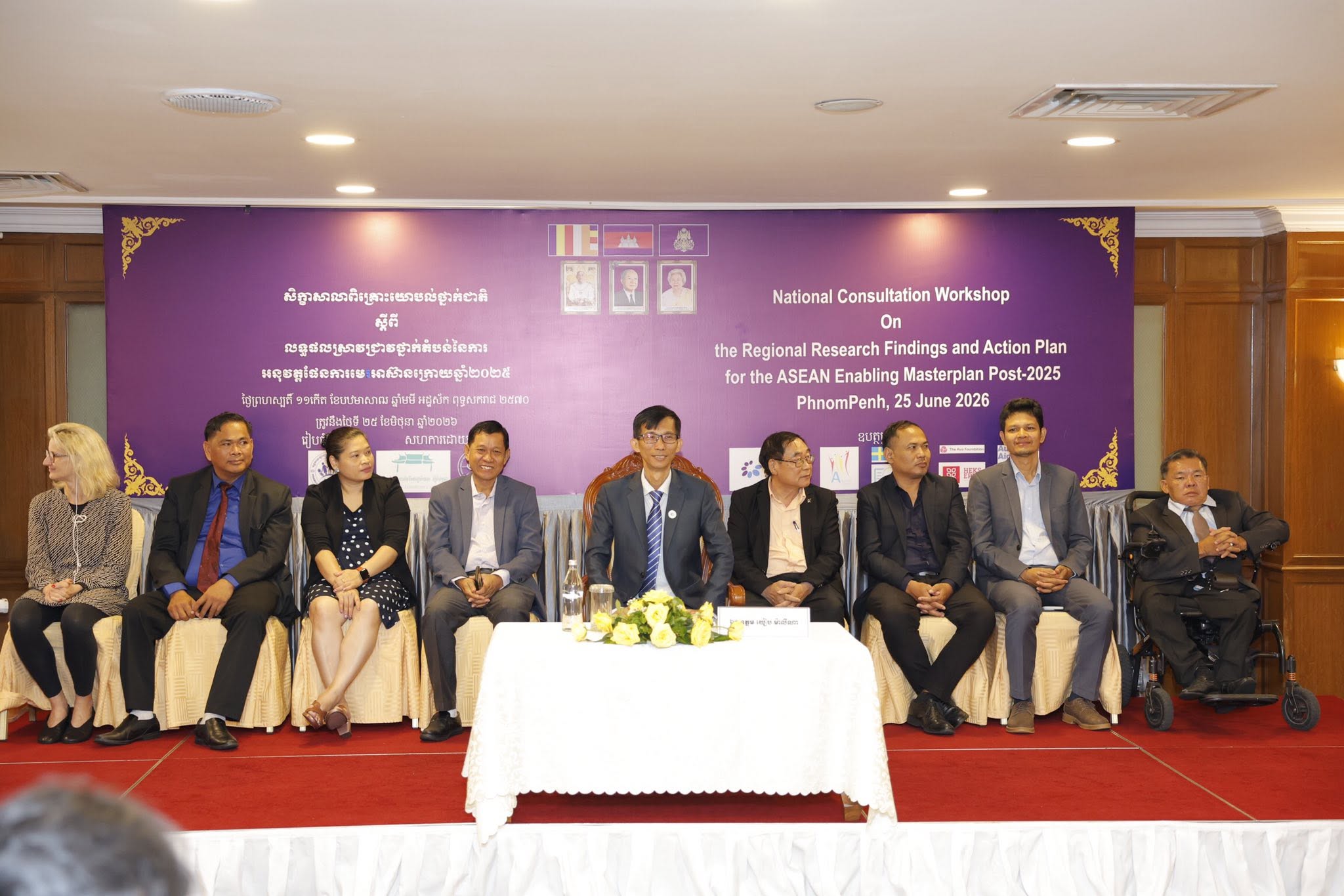
The recommendations emerged from a National Consultation Workshop held on Thursday at the Sunway Hotel in Phnom Penh. The event was organized by the Disability Youth Network Organization (DYNO) in collaboration with the Cambodian Disabled People's Organisation (CDPO), the ASEAN Disability Forum (ADF) Steering Committee Cambodia, and The NGO Forum on Cambodia.
The consultation brought together 45 participants representing government ministries, United Nations agencies, organizations of persons with disabilities (OPDs), civil society organizations, international NGOs, and academic institutions. Participants developed policy recommendations intended to inform the Zero Draft of the ASEAN Enabling Masterplan Post-2025, a key regional framework expected to guide disability-inclusive development across ASEAN over the next decade.
The workshop was supported by Australia's Department of Foreign Affairs and Trade (DFAT) through the International Disability Alliance (IDA), Save the Children/SIDA, and the ASEAN Disability Forum (ADF). Organizers said the initiative seeks to ensure that the voices of Cambodian youth, women, and persons with disabilities are meaningfully reflected in ASEAN's future policy architecture, in line with the UN Convention on the Rights of Persons with Disabilities (CRPD) and the Sustainable Development Goals (SDGs).
Speaking at the event, Mr. Yeap Malino, Director General of the General Department of Policy at Cambodia's Ministry of Social Affairs, Veterans and Youth Rehabilitation, said Cambodia has demonstrated a strong commitment to advancing disability rights through legal and institutional reforms.
He noted that Cambodia has ratified the UN Convention on the Rights of Persons with Disabilities (UNCRPD), enacted the Law on the Protection and Promotion of the Rights of Persons with Disabilities, and introduced strategic implementation mechanisms designed to protect and improve the well-being of persons with disabilities.
"Cambodia has become one of ASEAN's leading countries in promoting disability inclusion," he said, citing the country's continued efforts to strengthen disability policies and social protection systems.
Mr. Ngin Saorath, Executive Director of DYNO and Chair of the ADF Steering Committee Cambodia, described the consultation as more than a policy meeting.
"This consultation is not just another workshop—it is a declaration that Cambodia's disability community must be seen, heard, and included at every level of ASEAN policymaking. The recommendations we make today will become our accountability tomorrow," he said.
Saorath called for stronger OPD networks, greater participation of persons with disabilities in national and regional decision-making, and expanded livelihood opportunities through digital skills development, entrepreneurship, and inclusive economic programs.
Mr. Soeung Saroeun, Executive Director of The NGO Forum on Cambodia, stressed that governments have a responsibility to ensure that no one is left behind.
"This consultation is crucial because it brings together the perspectives of persons with disabilities, representative organizations, civil society, and key stakeholders to ensure their voices and priorities are reflected in the ASEAN Enabling Masterplan Post-2025. It also demonstrates Cambodia's commitment to implementing disability rights and contributing actively to ASEAN cooperation," he said.
Saroeun identified several priorities for the regional framework, including ensuring the full participation of persons with disabilities in decision-making, improving accessibility to public infrastructure and services, promoting inclusive education and employment, and strengthening social protection systems.
He also emphasized the need for governments to allocate sufficient financial resources to effectively implement disability-inclusive policies.
"Expanding access to assistive devices, digital technologies, inclusive public services, and accessible infrastructure must remain a top priority. These are the foundations that enable persons with disabilities to access education, healthcare, employment, and meaningful participation in society," he said.
He added that digital inclusion has become increasingly important in today's economy.
"Digital skills and accessible technologies are essential if persons with disabilities are to benefit from economic opportunities and information in the digital era."
While acknowledging Cambodia's progress in establishing legal and policy frameworks for disability inclusion, Saroeun said challenges remain, particularly in local-level implementation, access to inclusive services, employment opportunities, and reliable disability data.
He expressed hope that Cambodia's experience would contribute to a more rights-based and inclusive ASEAN disability agenda. "I hope Cambodia's recommendations and experiences will help shape a more inclusive ASEAN Enabling Masterplan after 2025. The voices of persons with disabilities and civil society can help ensure ASEAN prioritizes accessibility, social protection, digital inclusion, and meaningful participation in decision-making. This is how we ensure that no one is left behind."
Among the participants, Van No, a woman with disabilities from Kampong Cham Province, welcomed the consultation and urged governments and development partners to strengthen disability rights, social protection, and meaningful participation in policymaking.
"Giving persons with disabilities the opportunity to participate in decisions that affect development is essential because no one understands our challenges and needs better than we do," she said.
She noted that access to information and public services remains a major challenge for persons with disabilities living in rural Cambodia.
"I hope the new ASEAN Masterplan will encourage more accessible digital systems and stronger tax and social protection reforms that reduce financial burdens and ensure that persons with disabilities are not left behind."
Organizers said the recommendations developed during the consultation will be formally submitted to the ASEAN Disability Forum (ADF) and relevant ASEAN bodies to inform the drafting of the ASEAN Enabling Masterplan Post-2025.
The regional policy framework is expected to play a significant role in advancing disability rights, promoting inclusive development, and ensuring that the voices of persons with disabilities are fully integrated into ASEAN's future development agenda.

 Cambodia Expands Health-Care Social Security Coverage to Retired Generals and Admirals
 Preah Vihear Holds Job Forum to Help Returning Migrants, Youth Find Local Work
 Government, Partners Push Decent Work for Informal Workers
 Cambodia Pushes to Expand Social Protection for Formal and Informal Workers
 Cambodia Takes Another Step Toward Enacting an Occupational Safety and Health Law
 Cambodian Civil Society Calls on ASEAN to Strengthen Disability Rights in Post-2025 Regional Masterplan
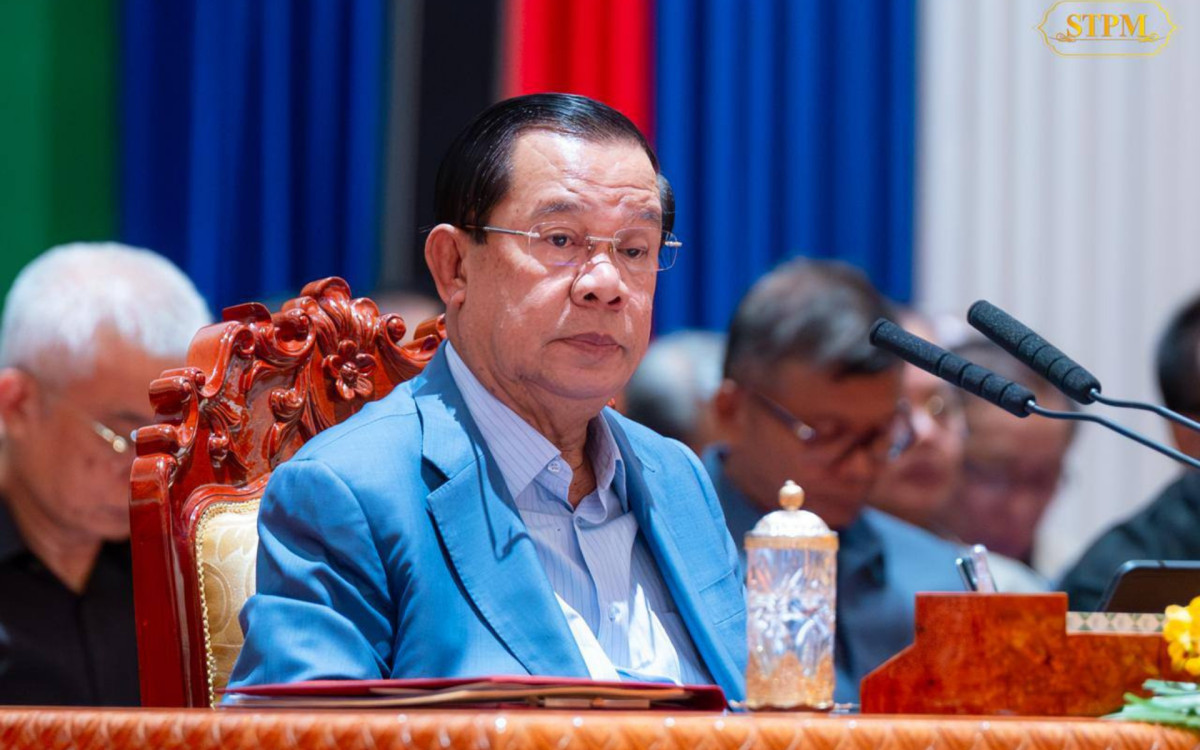 Acting Head of State Warns Corrupt Officials and Smugglers Over Illegal Thai Imports
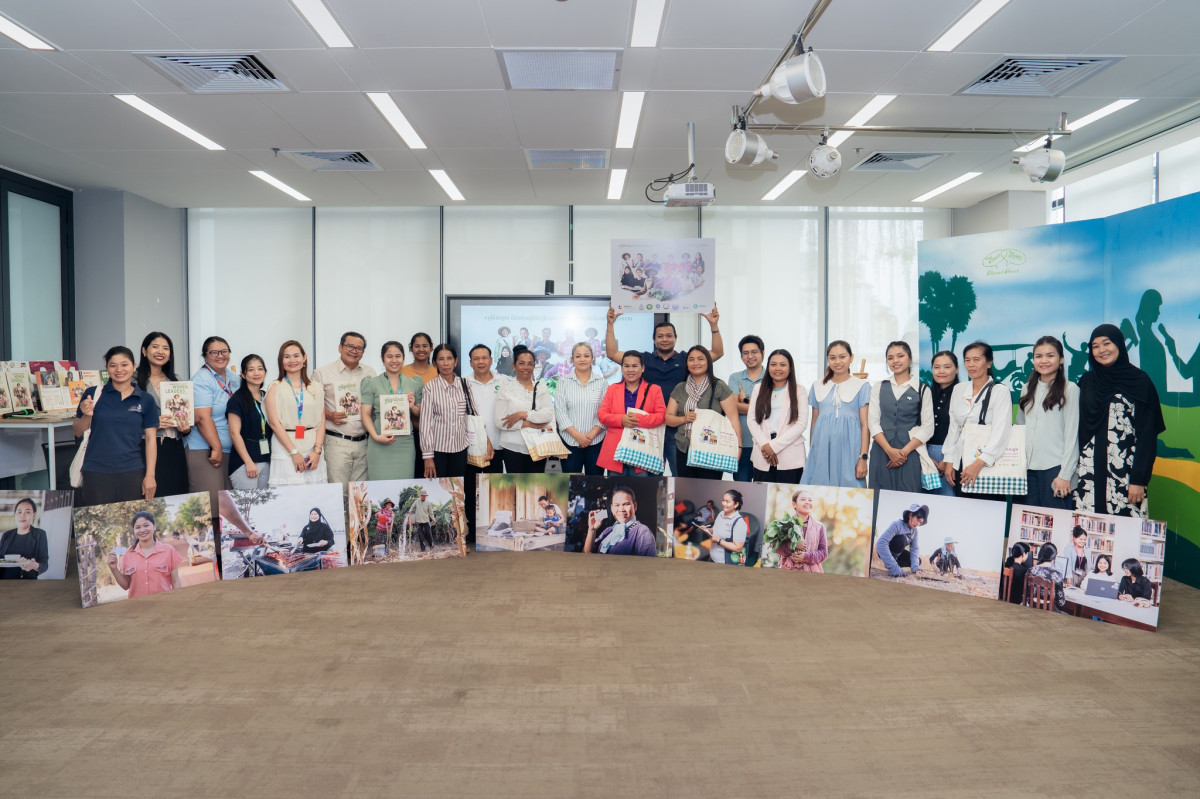 Oxfam Highlights Women’s Hidden Contributions to Cambodia’s Agri-Food Sector and the Importance of Social Protection
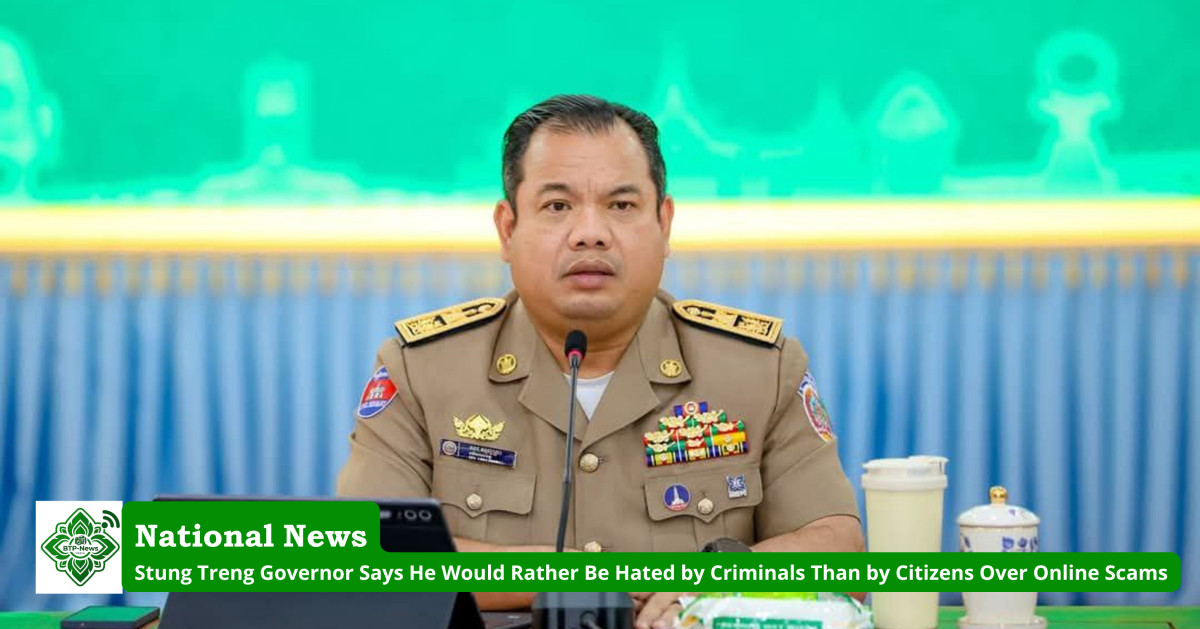 Stung Treng Governor Says He Would Rather Be Hated by Criminals Than by Citizens Over Online Scams
21-សីហា-2026 - ម៉ោង 12:18:PM
29-កក្តដា-2026 - ម៉ោង 05:32:PM
22-កក្តដា-2026 - ម៉ោង 03:10:PM
11-កក្តដា-2026 - ម៉ោង 03:05:PM
© ២០២៣ រក្សាសិទ្ធិគ្រប់យ៉ាងដោយ BAITONGPOST
#35,St 1013, Phnom Penh Thmei, Sen Sok, , Phnom Penh, Cambodia
