

PHNOM PENH: The FIFA World Cup 2026, jointly hosted by the United States, Canada, and Mexico, has officially reached the quarter-final stage, with the tournament delivering increasingly intense competition and captivating hundreds of millions of football fans around the world.
This year's World Cup has clearly demonstrated that modern football is no longer defined by the brilliance of one or two superstar players alone. Instead, success is increasingly determined by collective teamwork, tactical discipline, well-structured playing systems, and the ability of coaches to execute effective game plans.
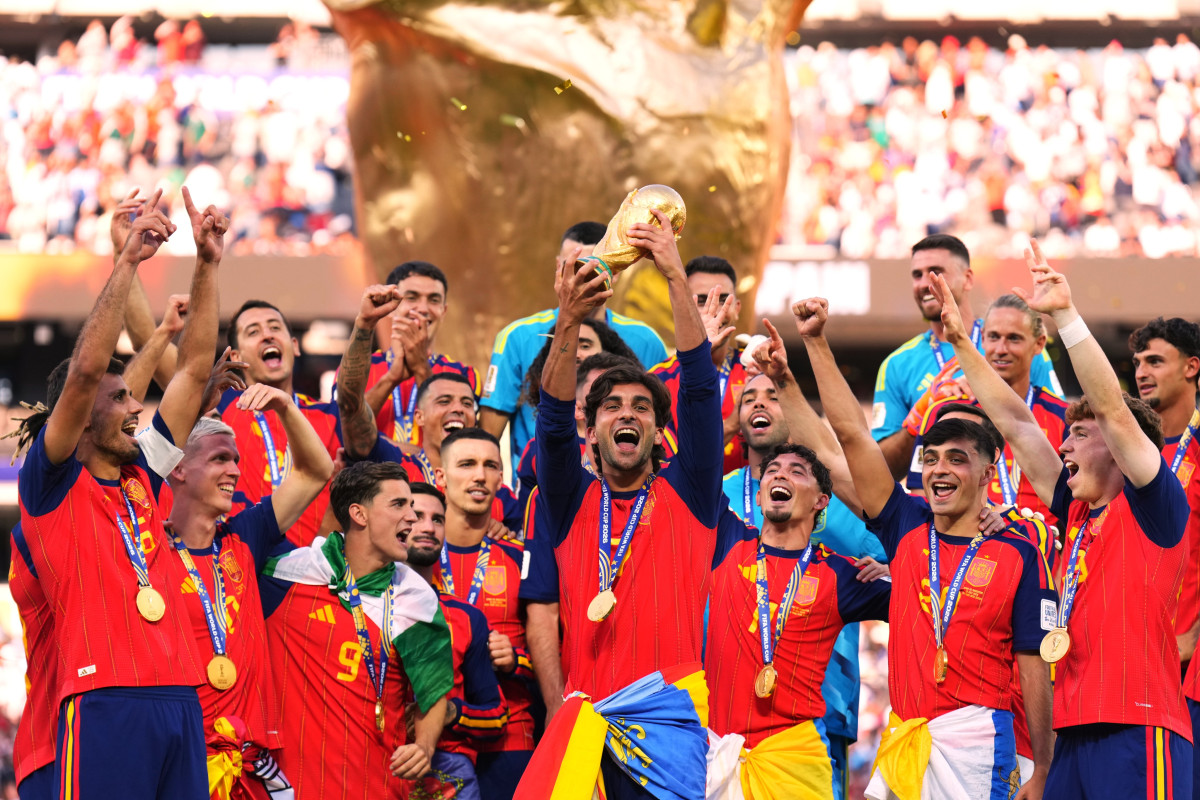
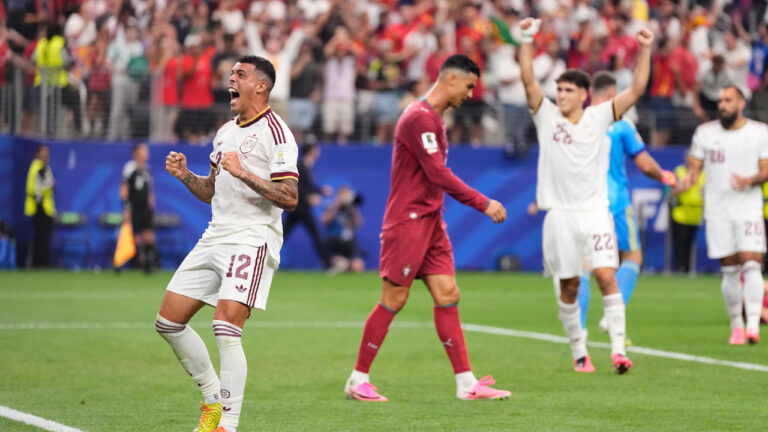
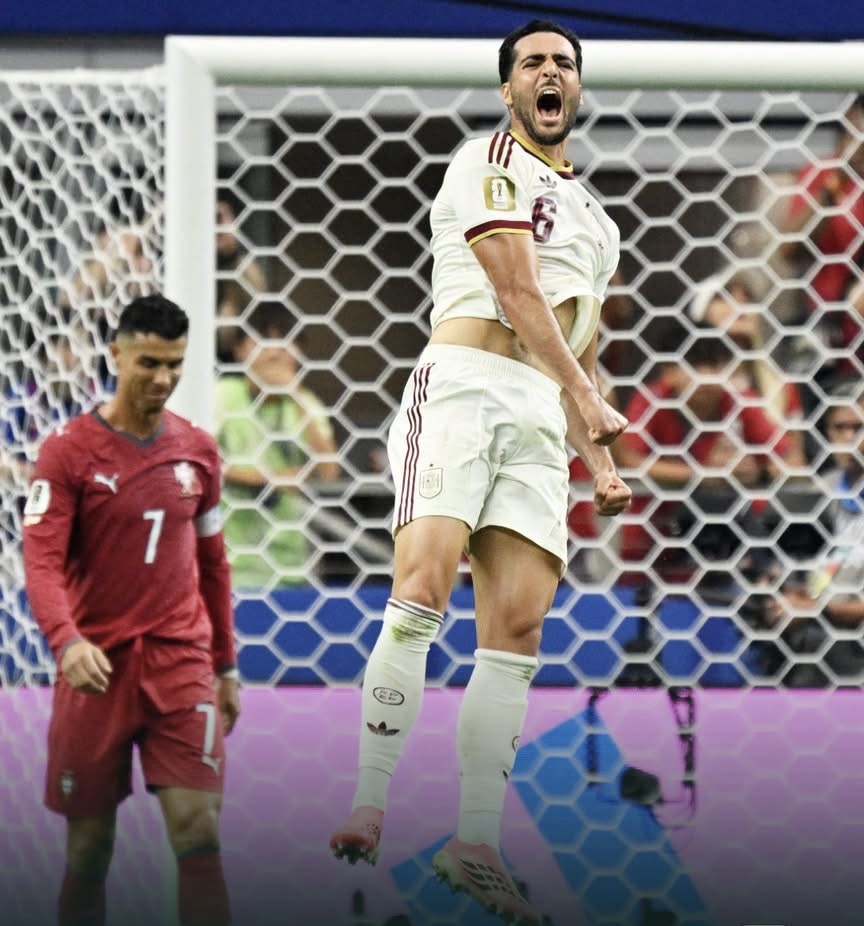
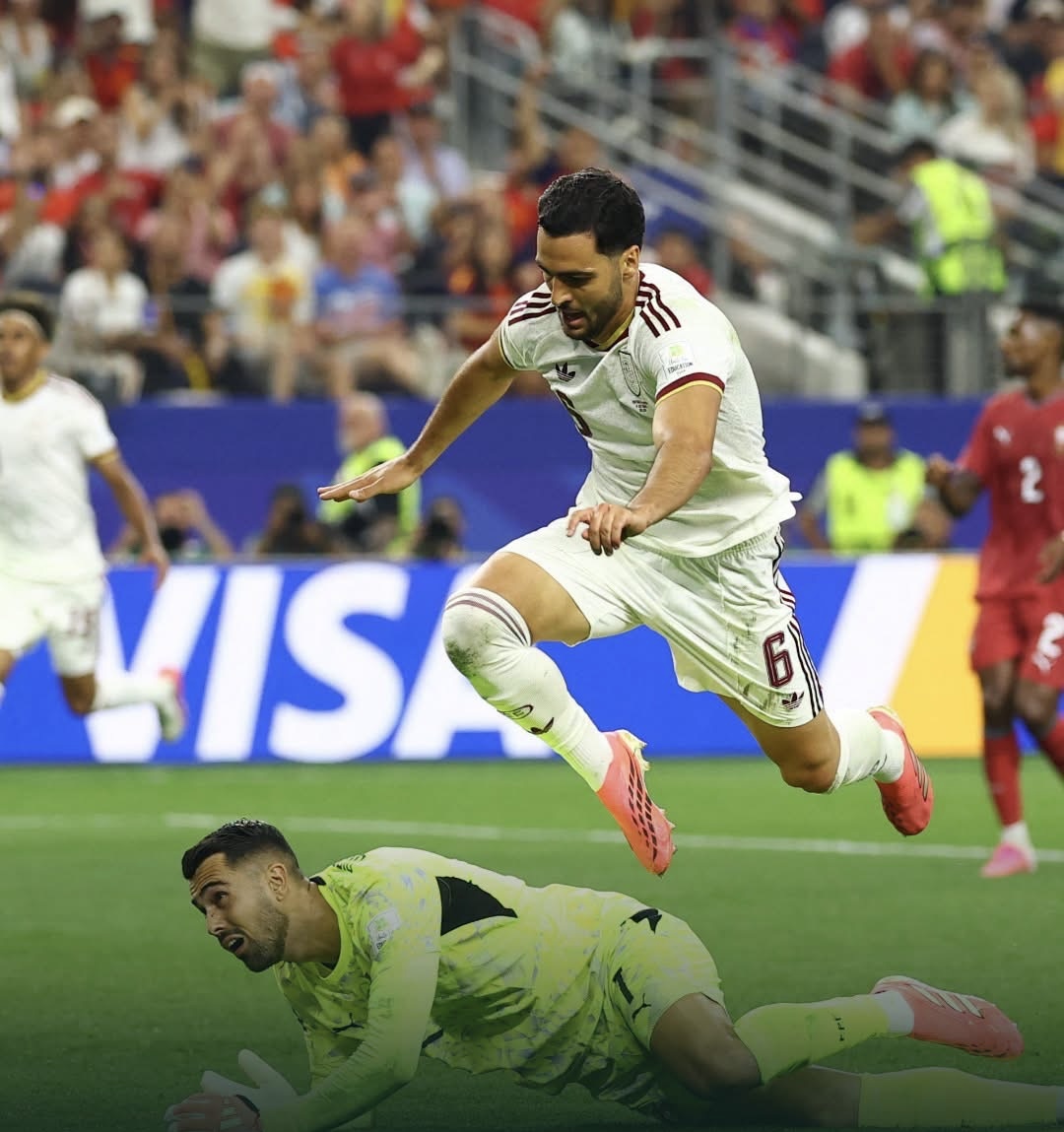
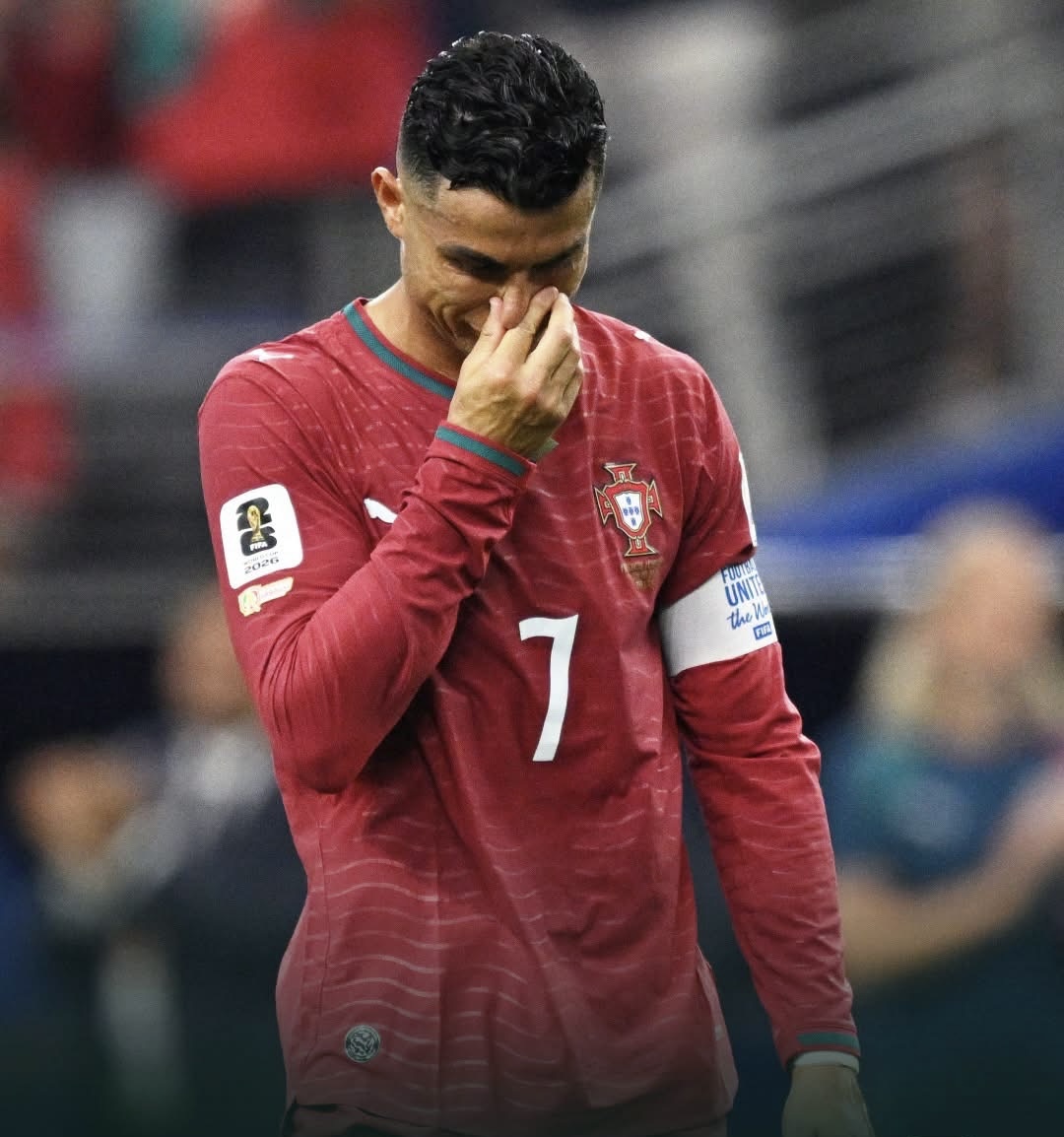
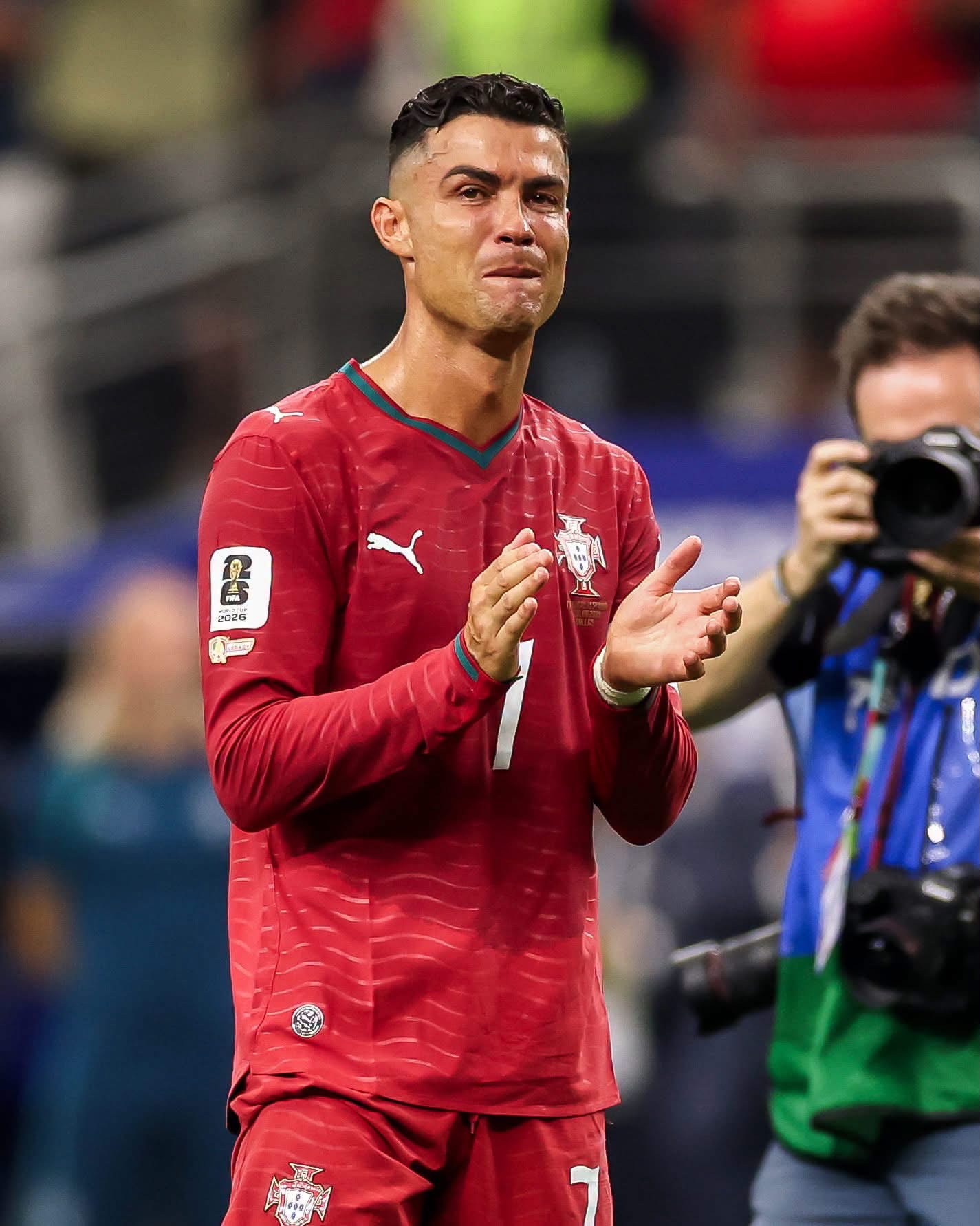
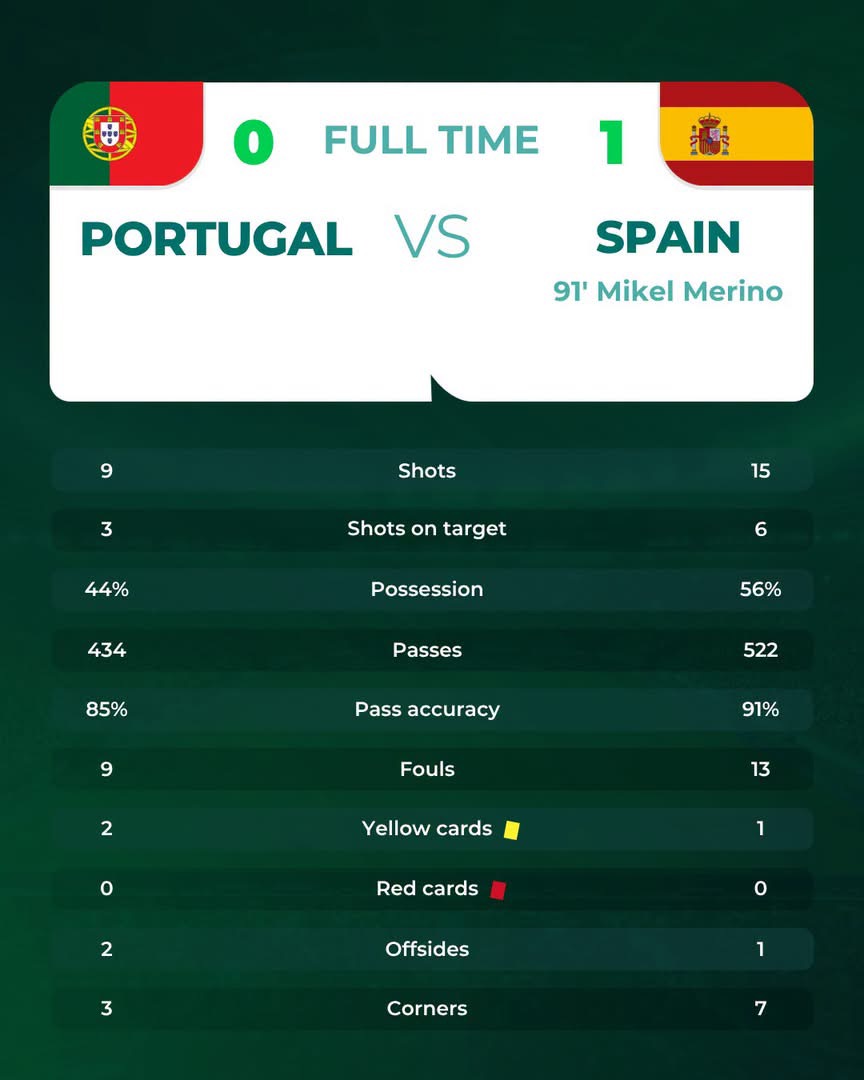
One of the tournament's biggest surprises was the elimination of Portugal, one of the world's most widely supported national teams. Despite the presence of global football icon Cristiano Ronaldo, Portugal failed to overcome a highly organized and disciplined Spain, whose superior teamwork and tactical execution secured a place in the quarter-finals.
Spain displayed an impressive balance of ball possession, high pressing, quick transitions, and tactical flexibility, effectively neutralizing Portugal's attacking threats. Their performance reinforced the growing belief that a cohesive team structure often proves more decisive than reliance on individual brilliance.
Meanwhile, Brazil also saw its World Cup campaign come to an unexpected end after suffering defeat to Norway. Despite featuring superstar Neymar Jr., Brazil struggled to match Norway's disciplined defensive organization and efficient counter-attacking football.
Co-host United States was also eliminated in the Round of 16 after a heavy 4-1 defeat to Belgium.
Ahead of the match, the United States attracted widespread attention after President Donald Trump stated that he had asked FIFA President Gianni Infantino to review the red card issued to American striker Folarin Balogun. Following the review, Balogun's suspension was lifted, allowing him to play against Belgium—a decision that sparked significant debate across the football community.
However, Balogun's return proved insufficient to alter the outcome. Belgium produced an outstanding tactical display, combining disciplined defending with clinical counter-attacks while capitalizing on defensive mistakes by the United States to secure a convincing 4-1 victory.
The other two co-hosts, Canada and Mexico, had already been eliminated in the Round of 32, meaning none of the three host nations managed to reach the quarter-finals.
Football analysts have noted that this year's tournament reflects a significant evolution in the modern game, where success is increasingly built upon collective teamwork, tactical adaptability, effective game management, and strategic coaching, rather than dependence on world-famous individual stars.
The exits of Cristiano Ronaldo, Neymar, and host nation United States underline an important lesson of the FIFA World Cup: reputation and star power alone are never enough to guarantee success. Ultimately, victories are earned through collective performance, tactical excellence, discipline, and consistent execution over the full 90 minutes on the pitch.
As the tournament enters the quarter-finals, football fans across the globe are eagerly anticipating the next stage, where the remaining contenders will battle for places in the semi-finals and continue their pursuit of the FIFA World Cup 2026 title.


© ២០២៣ រក្សាសិទ្ធិគ្រប់យ៉ាងដោយ BAITONGPOST
#35,St 1013, Phnom Penh Thmei, Sen Sok, , Phnom Penh, Cambodia