
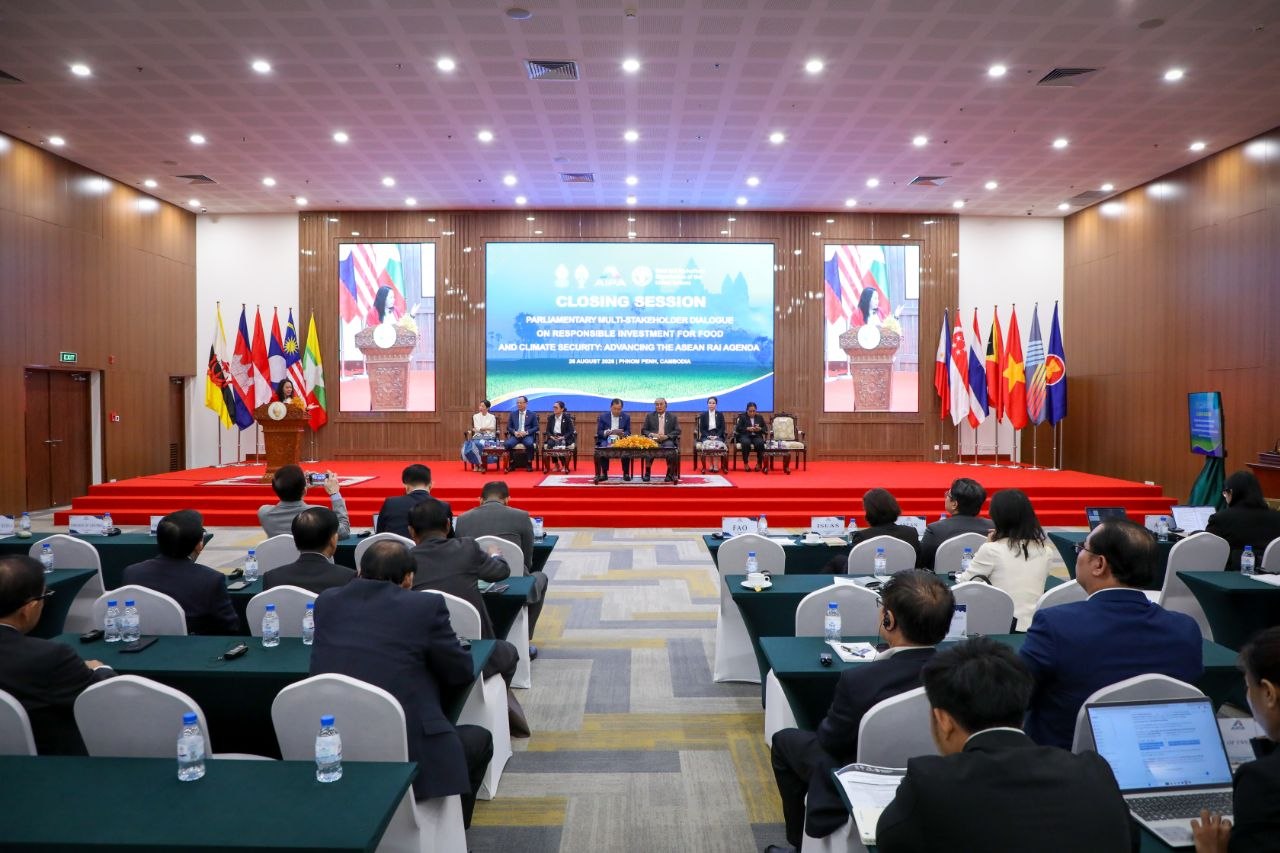
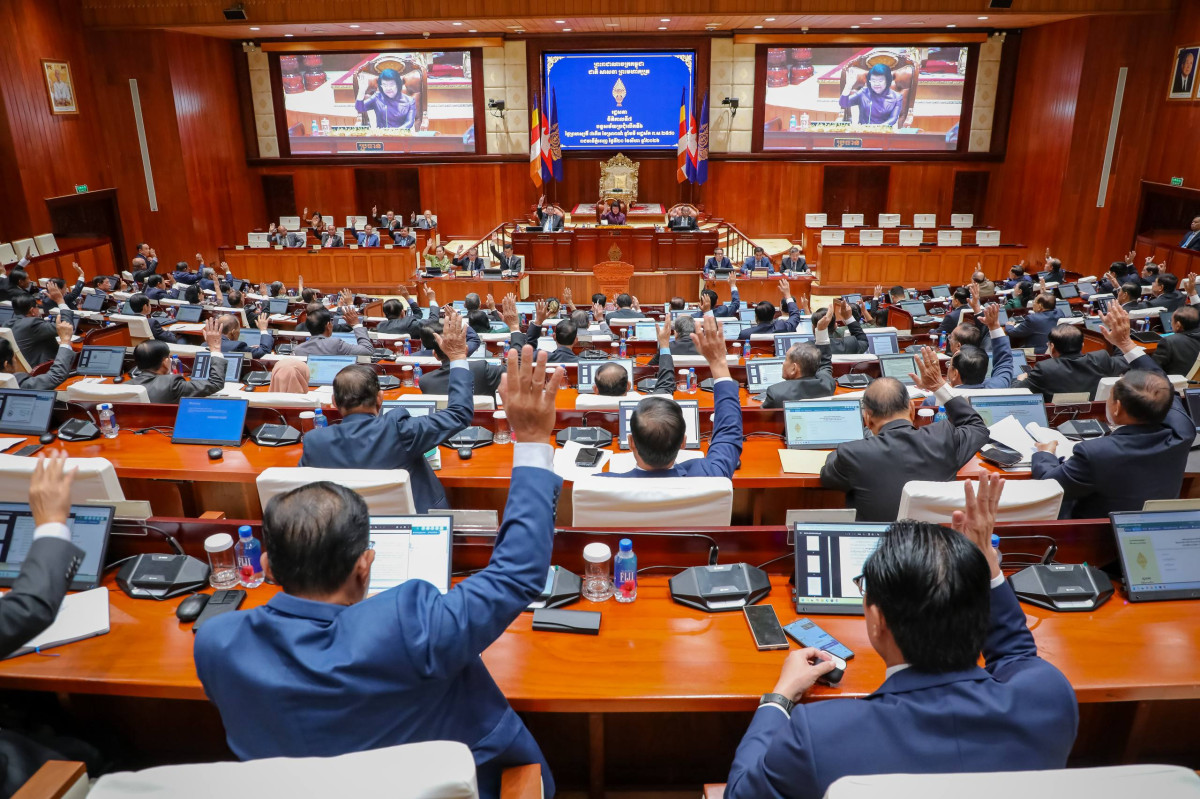
PHNOM PENH, Cambodia is hosting a two-day Parliamentary Multi-Stakeholder Dialogue on Responsible Investment for Food and Climate Security, bringing together lawmakers, government officials, development partners, the private sector, academics and civil society representatives to discuss how responsible agricultural investment can strengthen food security and climate resilience across the ASEAN region.
The dialogue, held on August 25–26 at the National Assembly of the Kingdom of Cambodia, is jointly organized by the National Assembly of Cambodia and the ASEAN Inter-Parliamentary Assembly (AIPA), in collaboration with the Food and Agriculture Organization of the United Nations (FAO).
Approximately 175 participants are attending the dialogue, including parliamentarians from ASEAN member states, representatives of the Royal Government of Cambodia, the ASEAN Secretariat, the private sector, academia and civil society.
The two-day policy dialogue focuses on responsible investment in agriculture and food systems, with discussions covering food security, climate resilience, economic opportunities, sustainable agriculture, market access and stronger partnerships among governments, investors, farmers and other stakeholders.
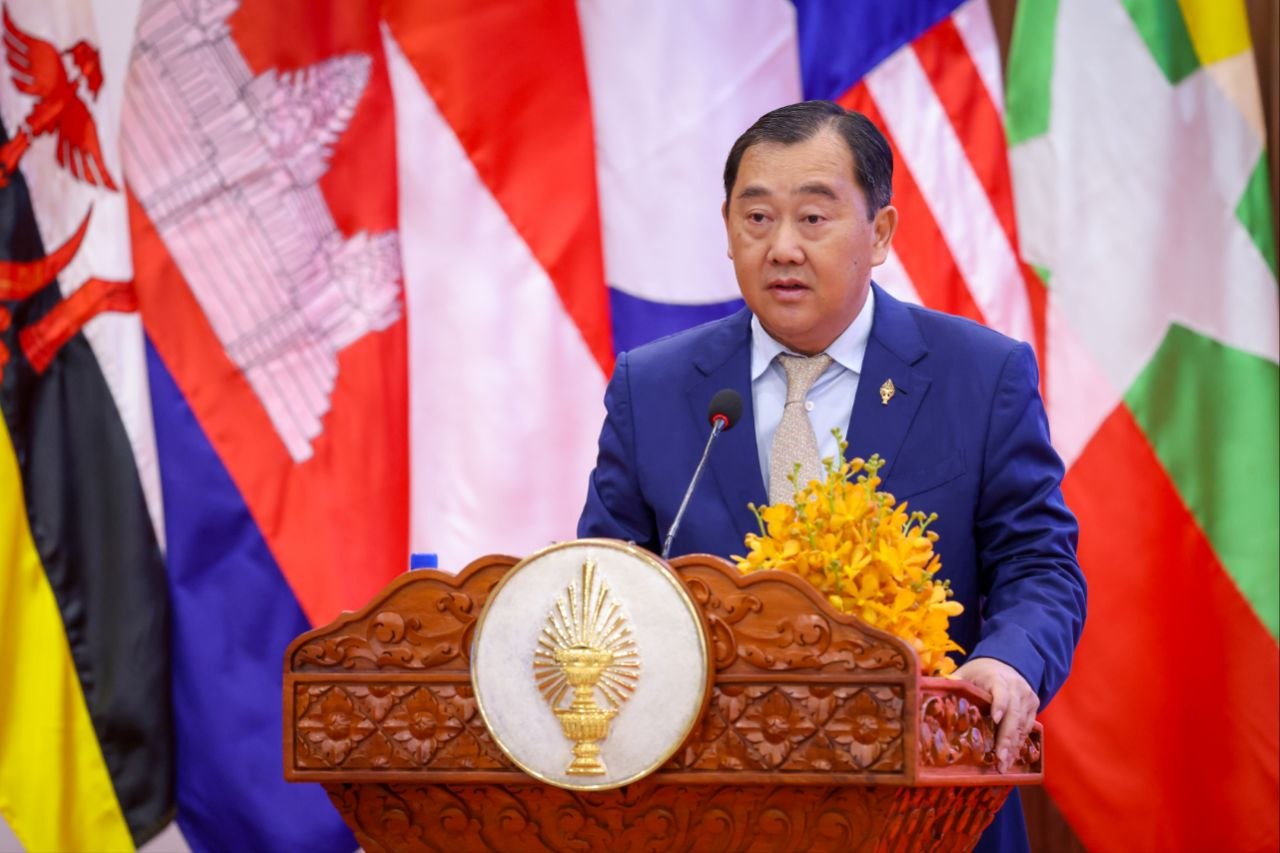
In his opening remarks, Hon. Kittisethabindit Cheam Yeap, First Vice-President of the National Assembly of Cambodia, said climate resilience is fundamental to food security and requires a coordinated response involving legal frameworks, public policy and society as a whole.
«“Strengthening the resilience of our agricultural and food systems is essential. It is the only way we can ensure a stable food supply for our fast-growing populations, protect the livelihoods of our communities, and sustain our long-term economic and social development,” Cheam Yeap said.»
He stressed that parliamentarians have an important oversight role in translating the ASEAN Responsible Agricultural Investment (RAI) principles into practical and enforceable national policies.
H.E. Dith Tina, Minister of Agriculture, Forestry and Fisheries, said responsible agricultural investment should be guided by an integrated vision that balances farmers’ economic interests, consumer needs, environmental protection and social benefits.
«“Responsible agricultural investment is not a collection of isolated goals. The agricultural sector must serve one integrated vision that is economically viable for farmers, responsive to consumers, environmentally respectful, and socially beneficial,” Dith Tina said.»
He added that the Ministry has been implementing this vision through measures aimed at stabilizing agricultural markets and farmers’ incomes, empowering farmers at the local level and expanding Modern Agricultural Communities.
Meanwhile, Hon. Santibindit Loy Sophat, Chairman of the National Assembly’s Commission on Planning, Investment, Agriculture, Forestry, Fisheries, Rural Development, Environment, Water Resources and Meteorology, said the dialogue underscored the urgent need for collective action to address the interconnected challenges of climate change and food security.
«“Cambodia is positioned to advance sustainable food production by translating ASEAN frameworks and parliamentary tools into policy,” Loy Sophat said.»
He highlighted Cambodia’s fertile agricultural land and major water systems, including the Mekong River and Tonle Sap, as important assets for sustainable food production.
However, he said adapting to changing food demands would require a multi-stakeholder alliance involving parliamentarians, government institutions, private investors, researchers and local communities.
Loy Sophat identified three key principles for progress: responsibility, through equitable and transparent investment; resilience, through modern infrastructure, support for small and medium-sized enterprises and local processing; and solidarity, through regional resource and knowledge-sharing.
H.E. Dr. Chem Widya, Secretary-General of AIPA, said responsible agricultural investment is essential for developing sustainable and climate-resilient food systems that protect both livelihoods and the environment.
«“Through their legislative, budgetary and oversight functions, parliamentarians have an important role in ensuring that investments in food, agriculture and forestry are aligned with food security and climate priorities,” Chem Widya said.»
He emphasized the importance of cooperation among parliamentarians, governments, the private sector, academia and civil society to translate ASEAN RAI principles into concrete actions that respond to national priorities while strengthening resilience across the region.
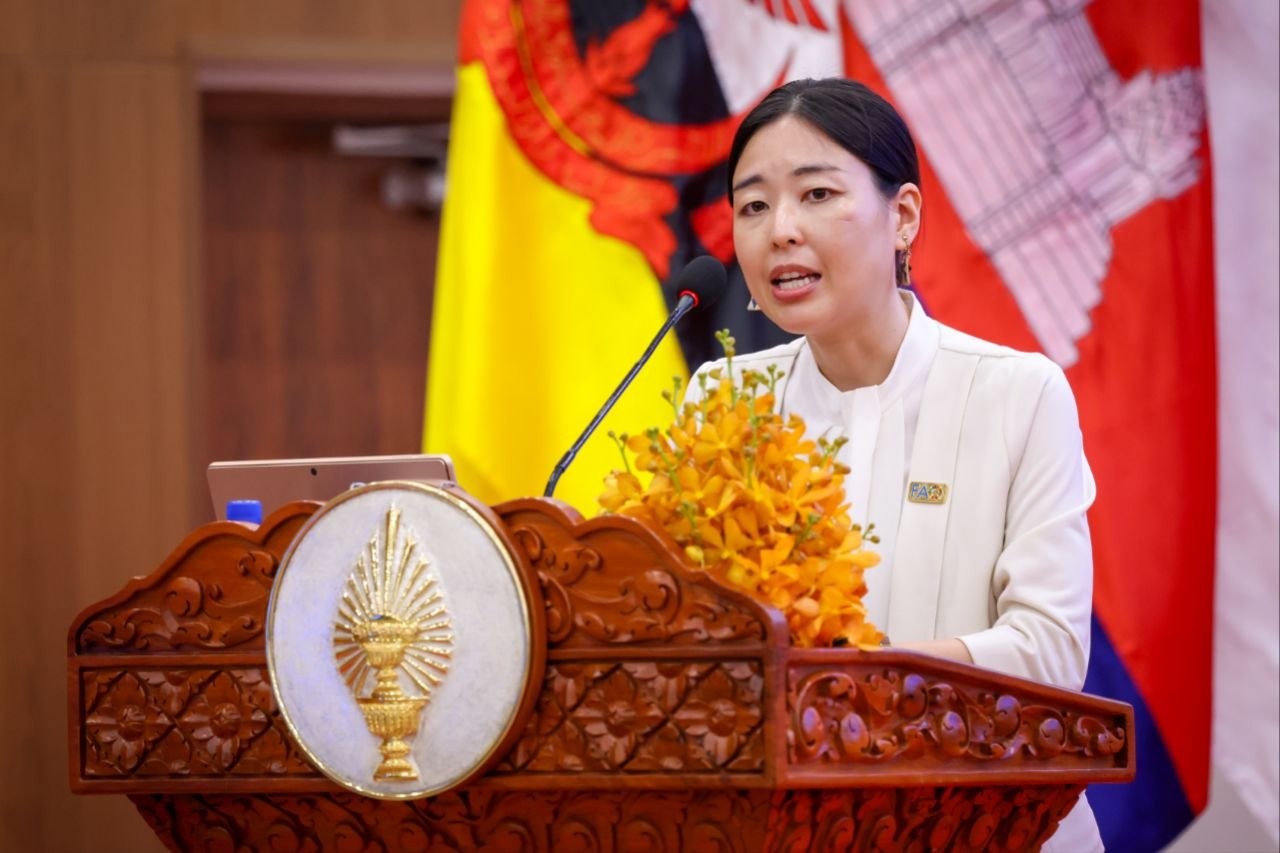
Ms. Rebekah Bell, FAO Representative in Cambodia, said additional investment is needed in both the public sector and agrifood businesses, but stressed that the quality and distribution of investment are equally important.
«“Responsible investment should create opportunities for smallholder farmers and agribusinesses big and small, while strengthening climate resilience and protecting natural resources,” Bell said.»
At the closing session, Hon. Suos Yara, Chairman of the National Assembly’s Commission on Foreign Affairs, International Cooperation and Information, called for greater investment in science, technology and innovation, as well as predictable legal frameworks, effective regulatory governance and enforcement.
He also highlighted the importance of fiscal support and blended finance mechanisms for smallholder farmers, the integration of micro, small and medium-sized agrifood enterprises, climate-resilient crop varieties, research and development, food science and engineering, technology transfer and improved market access.
Suos Yara further emphasised the need for responsible investment and responsible food consumption. He proposed the establishment of an ASEAN Food Bank as a regional food-stock hub to strengthen food availability, accessibility and supply chains, particularly during food-security emergencies caused by climate-related disasters.
According to information presented during the dialogue, Cambodia’s agriculture sector accounted for 16.1 percent of GDP in 2025 and generated more than US$8 billion in value added. The sector, however, remains highly exposed to climate-related risks that threaten rural livelihoods and food security.
Participants highlighted the potential of responsible agricultural investment, guided by the ASEAN RAI Guidelines and the Parliamentary Implementation Framework 2024–2030, to strengthen food-system resilience while creating new opportunities for farmers and businesses.
The dialogue also provided a platform for ASEAN countries to exchange regional perspectives and practical experiences relevant to Cambodia, including on trade, market access and stronger partnerships between parliaments, governments, businesses and other stakeholders.
The meeting comes ahead of the Cambodia Agriculture Forum and Exhibition (CAFE26), scheduled for October 23–25, 2026, under the theme “Investing in Cambodia’s Agrifood: Partnerships, Value Addition and Innovation.”
Led by Cambodia’s Ministry of Agriculture, Forestry and Fisheries in partnership with FAO under the Hand-in-Hand Initiative, CAFE26 is expected to bring together government institutions, farmers, businesses, investors, financial institutions and development partners to explore concrete investment and partnership opportunities.
According to the organizers, last year’s event generated approximately US$1.3 million in on-site trade and identified potential investment opportunities worth around US$78 million.
The ASEAN parliamentary dialogue is therefore positioning responsible investment not simply as a source of capital for agriculture, but as a tool for building resilient food systems, protecting natural resources, supporting smallholder farmers and strengthening food security across Cambodia and the wider ASEAN region.
 Cambodia Hosts ASEAN Parliamentary Dialogue on Responsible Investment in Agriculture and Food Systems
 Cambodia Promotes Responsible Investment to Strengthen Food Security and Climate Resilience
 The Growing Concentration of Agribusiness Giants Is Reshaping the Global Food System
 Farmers Fear Livelihood Losses and Crop Damage Amid Unpredictable 2026 Rainy Season
 IUCN Calls for Stronger Policy and Legal Reforms to Accelerate Sustainable Agriculture Transition
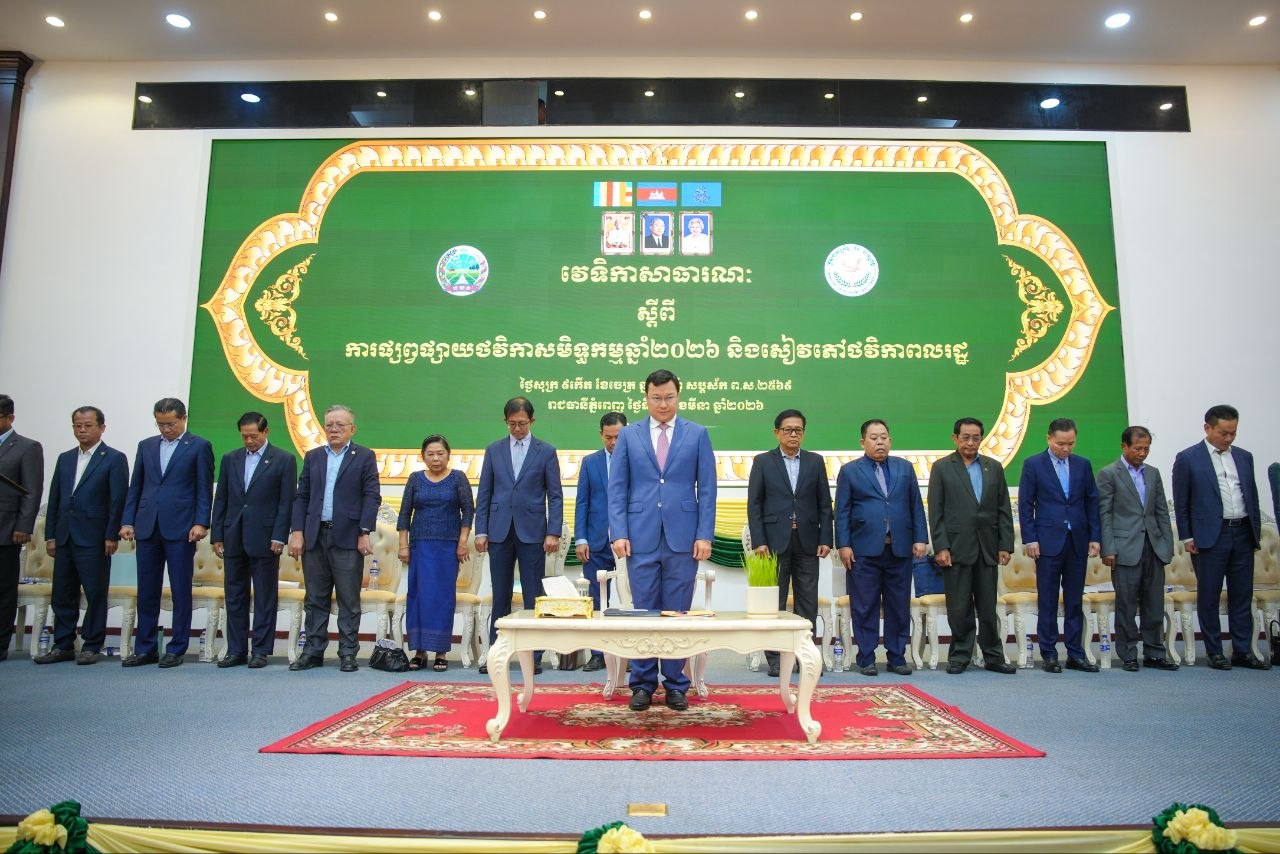 Minister of Agriculture Launches Public Forum to Disseminate 2026 Program Budget and Citizen Budget
 Plants and Their Stories
24-សីហា-2026 - ម៉ោង 10:42:AM
31-កក្តដា-2026 - ម៉ោង 01:10:PM
20-កក្តដា-2026 - ម៉ោង 04:07:PM
29-មេសា-2026 - ម៉ោង 04:11:PM
© ២០២៣ រក្សាសិទ្ធិគ្រប់យ៉ាងដោយ BAITONGPOST
#35,St 1013, Phnom Penh Thmei, Sen Sok, , Phnom Penh, Cambodia
