
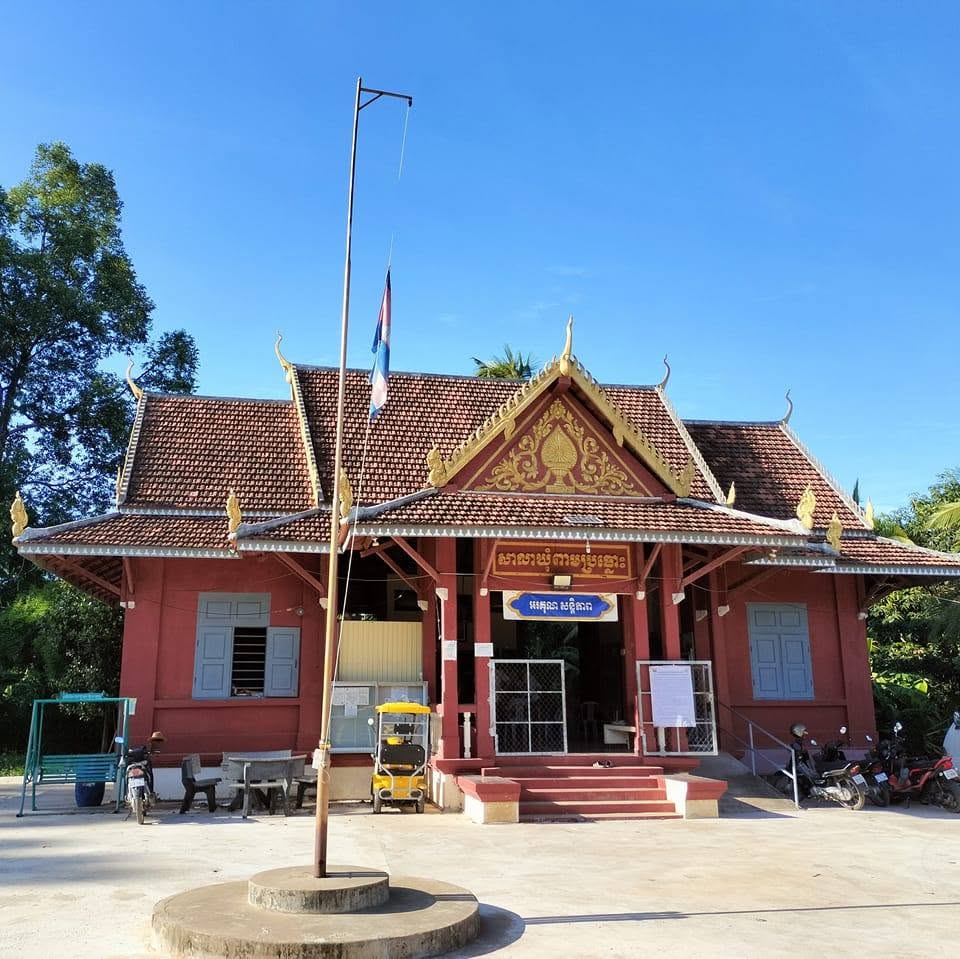
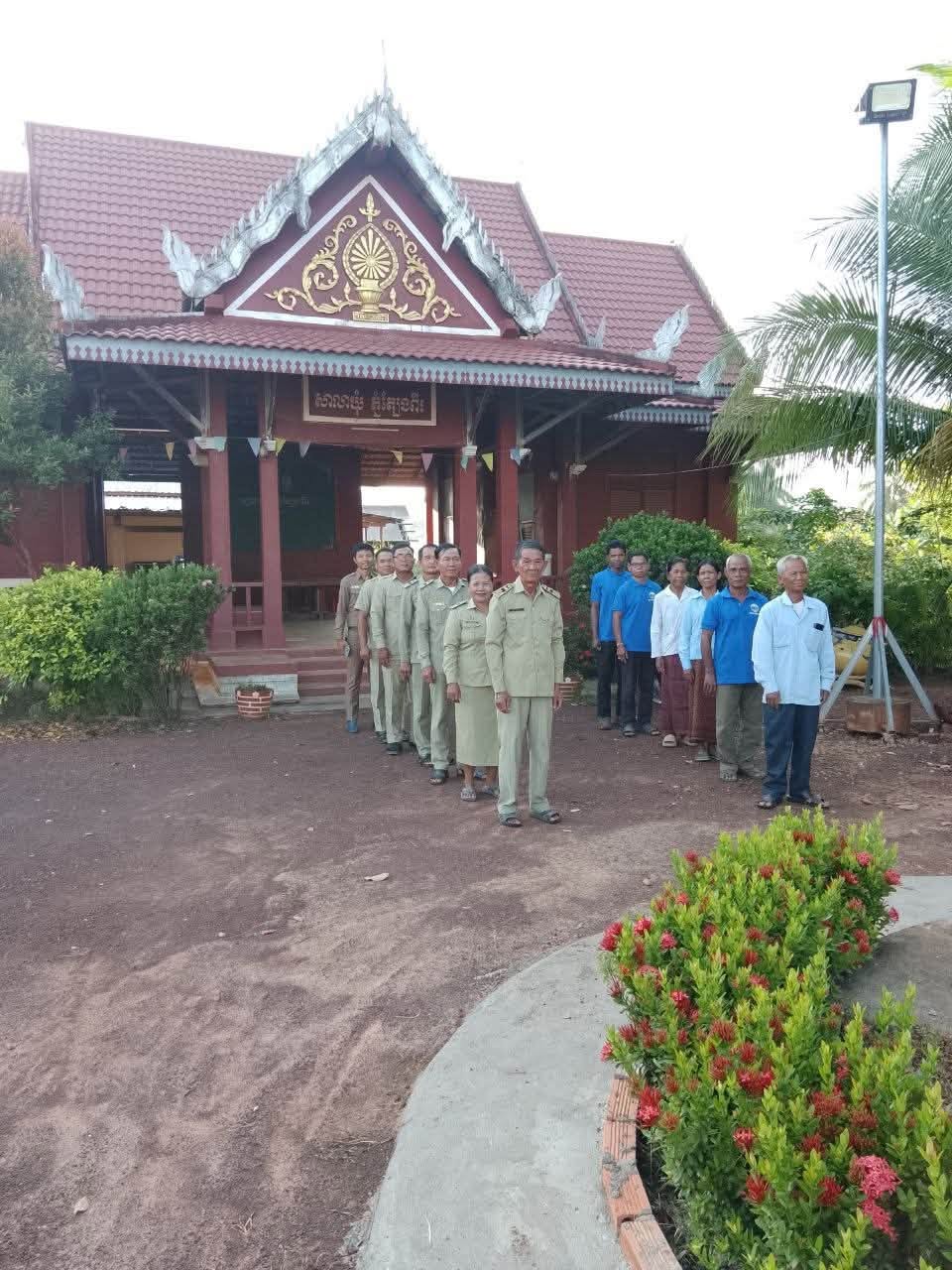
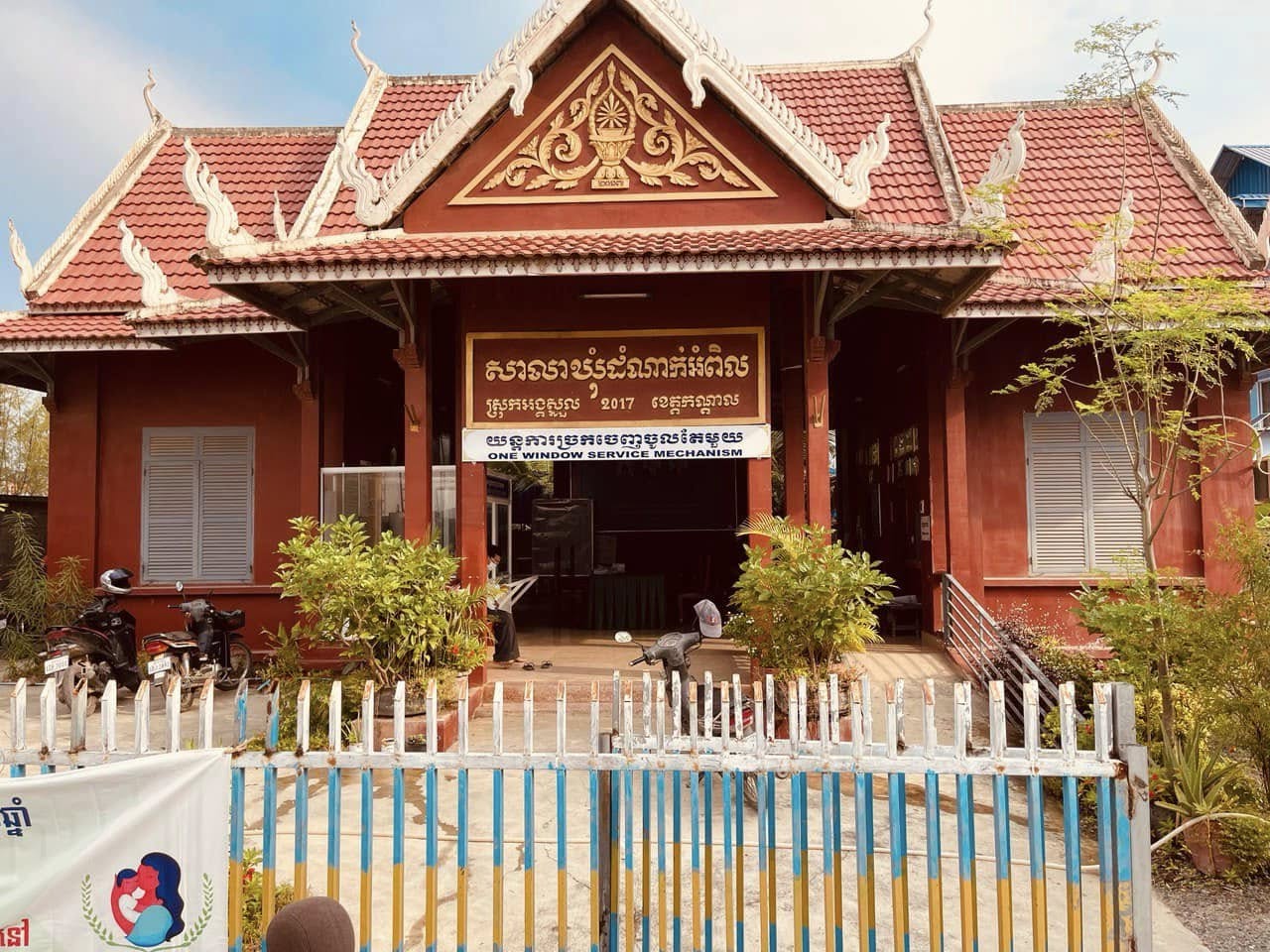
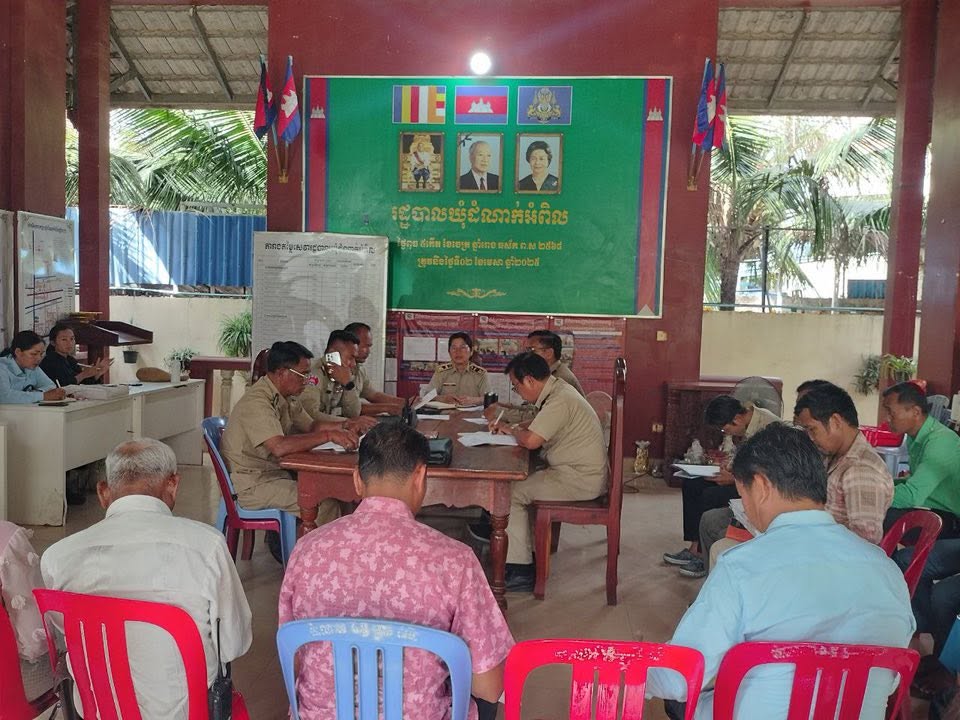
PHNOM PENH, August 25, 2026 — Cambodia’s Ministry of Interior has issued a clarification on amendments to the Law on the Administration and Management of Communes and Sangkats, saying the changes are intended to strengthen local governance, improve administrative efficiency and enhance public services, while several opposition parties have raised concerns that the amendments could affect the balance of power and political participation at the local level.
The debate centers on amendments to Articles 33, 34, 35 and 38 of the Law on the Administration and Management of Communes and Sangkats. The Ministry of Interior said the amendments were adopted in accordance with existing legal procedures and the Constitution of the Kingdom of Cambodia.
According to the ministry, the amendments do not change the electoral system or the formula used to allocate seats on commune and sangkat councils under the Law on the Election of Commune/Sangkat Councils. Political parties will continue to receive council seats based on the number of votes they obtain.
The ministry also said that elected commune and sangkat council members will retain their legal rights to discuss, approve, decide on and oversee administrative affairs. It said the amendments do not remove seats or restrict the rights of citizens and political parties participating in the democratic process.
Five opposition parties — the Candlelight Party, Grassroots Democratic Party, Cambodian Reform Party, Cambodia Advance Democratic Party and Khmer Will Party — have jointly submitted an open letter to the President of the Senate, calling for further review of the contents and potential implications of the amendments.
In their letter, the five parties argued that the amendments could affect the spirit of the Constitution and the principles of liberal multiparty democracy. They also expressed concern that the changes could weaken internal checks and balances within commune and sangkat councils.
The parties further warned that changes to the system for determining leadership positions in commune and sangkat administrations could affect a culture of cooperation and reduce the participation of political parties and elected representatives at the grassroots level.
They called on the Senate to ensure that the legislative process remains open and transparent and includes consultation with relevant stakeholders. They also requested clearer explanations regarding the allocation of leadership positions within commune and sangkat administrations.
According to a Senate statement, on the morning of August 25, 2026, the Senate assigned its specialized committees to study the amendments to the Law on the Administration and Management of Communes and Sangkats.
The decision followed various opinions and concerns raised by opposition political parties and other stakeholders. The committees have been tasked with examining the legal provisions and related issues before providing recommendations to the relevant authorities in accordance with established procedures.
Regarding changes to the formula for determining leadership positions in commune and sangkat administrations, the Ministry of Interior said the new arrangements were designed to reflect election results and the will of voters.
The ministry stressed that the amendments are based on the rule of law, respect for the Constitution and the strengthening of liberal multiparty democracy.
It said one of the main objectives of the amendments is to improve and strengthen the administration of communes and sangkats after elections, with the aim of making local leadership and administrative operations more effective and clearly defined.
Responding to concerns that the amendments could lead to a concentration of power, the Ministry of Interior said strengthening unity in leadership should not be interpreted as creating exclusive or unchecked power.
The ministry said commune and sangkat leaders would remain subject to the law, decisions of the councils, approved plans and budgets, as well as oversight, auditing and accountability mechanisms involving local citizens.
The ministry therefore characterized the amendments as an effort to establish a clearer and more effective local leadership structure rather than granting unchecked authority without mechanisms of oversight.
The Ministry of Interior said the amended provisions will take effect beginning with the election of commune and sangkat councils for the sixth mandate. The changes will not affect the composition or leadership positions of commune and sangkat administrations during the current mandate, it said.
The dispute over the amendments reflects contrasting interpretations between the government and opposition parties. The Ministry of Interior views the changes as a measure to strengthen efficiency and unity in local administration, while opposition parties have raised concerns about the balance of power, oversight mechanisms and political participation at the commune and sangkat levels.
With the Senate having assigned its specialized committees to examine the issue, debate over the substance and potential impact of the amendments is expected to continue through the legislative process. The review could provide further clarification on how authority and administrative leadership will be structured at Cambodia’s local level.


© ២០២៣ រក្សាសិទ្ធិគ្រប់យ៉ាងដោយ BAITONGPOST
#35,St 1013, Phnom Penh Thmei, Sen Sok, , Phnom Penh, Cambodia
