
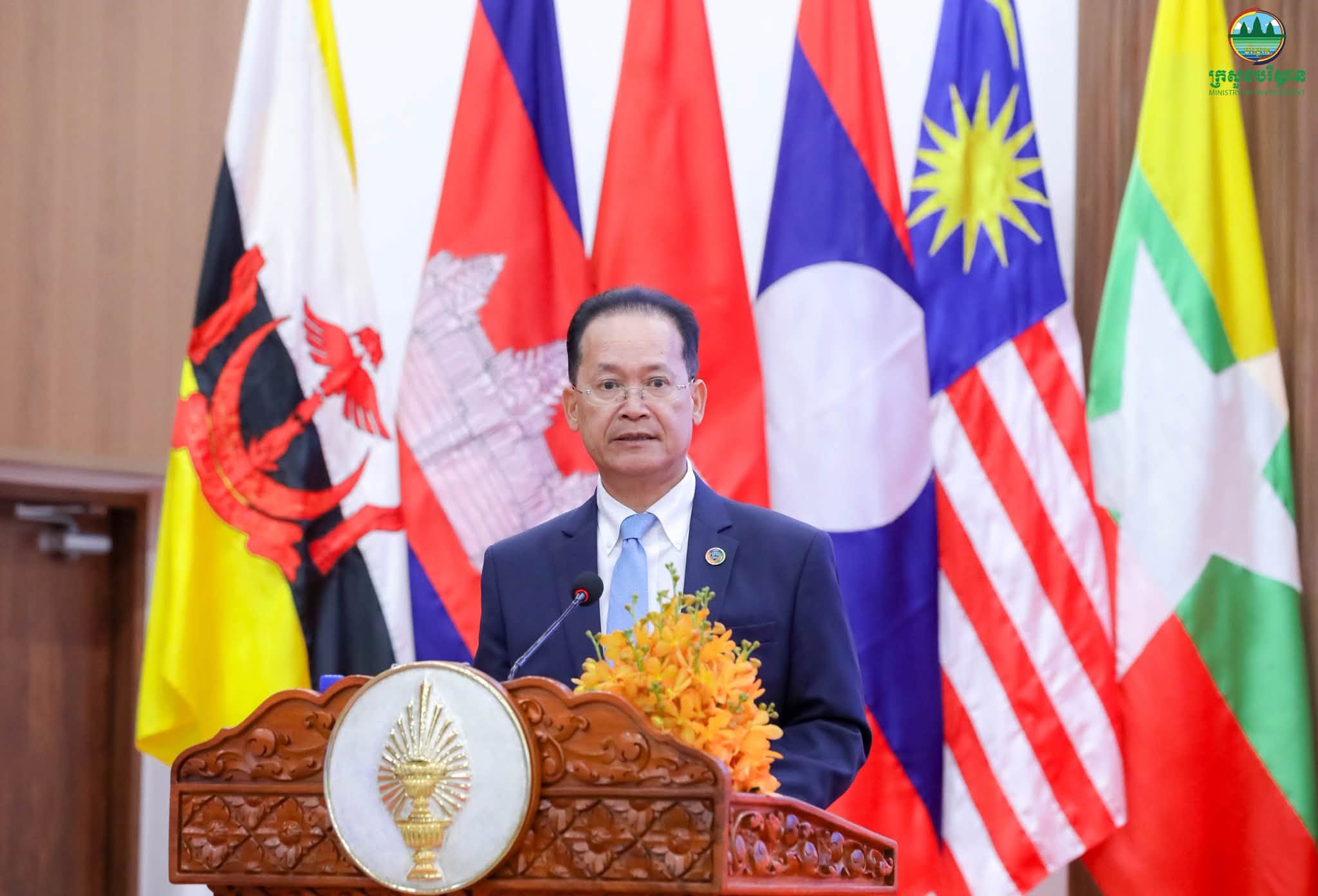
PHNOM PENH, August 26, 2026 — Cambodia has called for stronger policy linkages between peace, food security and climate change, urging ASEAN member states, development partners, the private sector and financial institutions to increase investment in climate-resilient food systems.
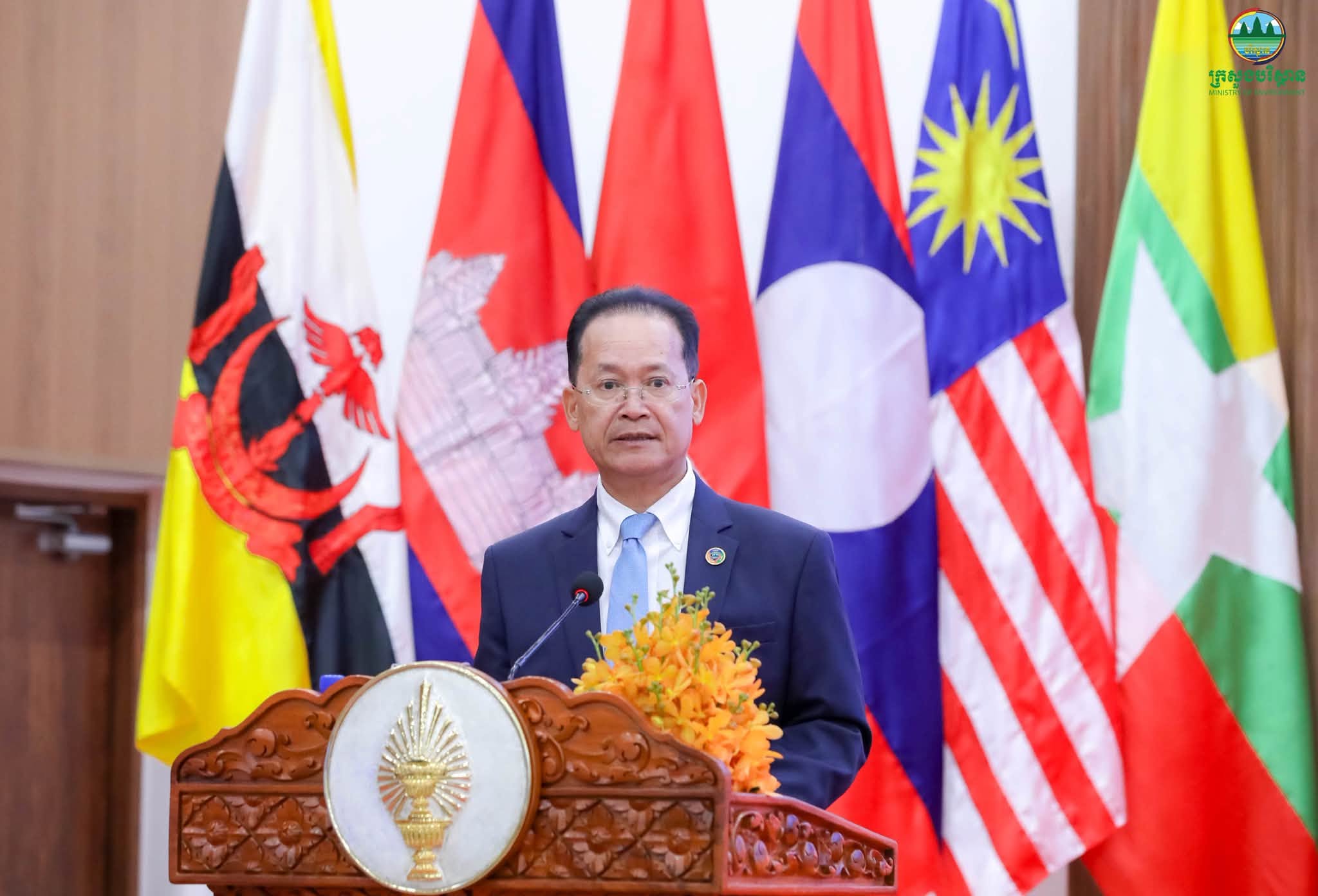
Minister of Environment Eang Sophalleth made the remarks while serving as an honorary speaker at the Parliamentary Multi-Stakeholder Dialogue on Climate-Resilient Food Systems and Responsible Agricultural Investment: Advancing the ASEAN RAI Agenda, organized by the ASEAN Inter-Parliamentary Assembly (AIPA) at the National Assembly in Phnom Penh from August 25 to 26.
“Climate change is not merely an environmental issue, but one directly connected to the economy, food security, people's livelihoods and social stability,” said Eang Sophalleth.
During the forum, Eang Sophalleth said Cambodia is among the countries most vulnerable to the impacts of climate change, which could reduce the country's gross domestic product (GDP) by approximately 9.8% by 2050. Cambodia's economy relies heavily on sectors vulnerable to climate change, including agriculture, fisheries, tourism and manufacturing.
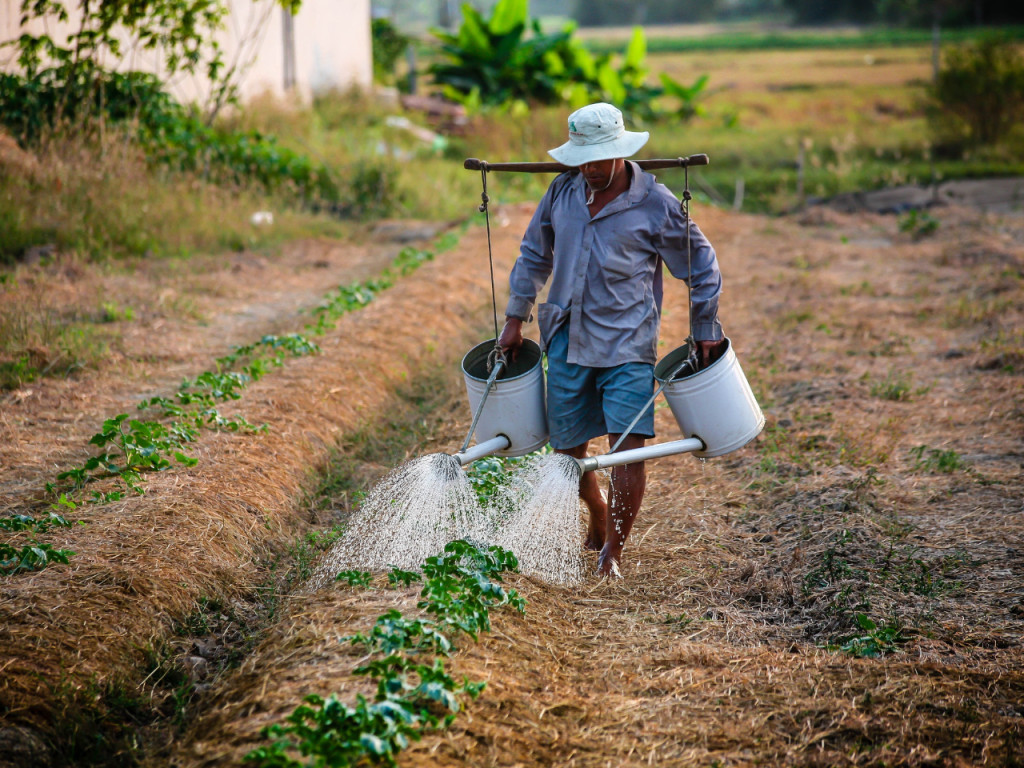
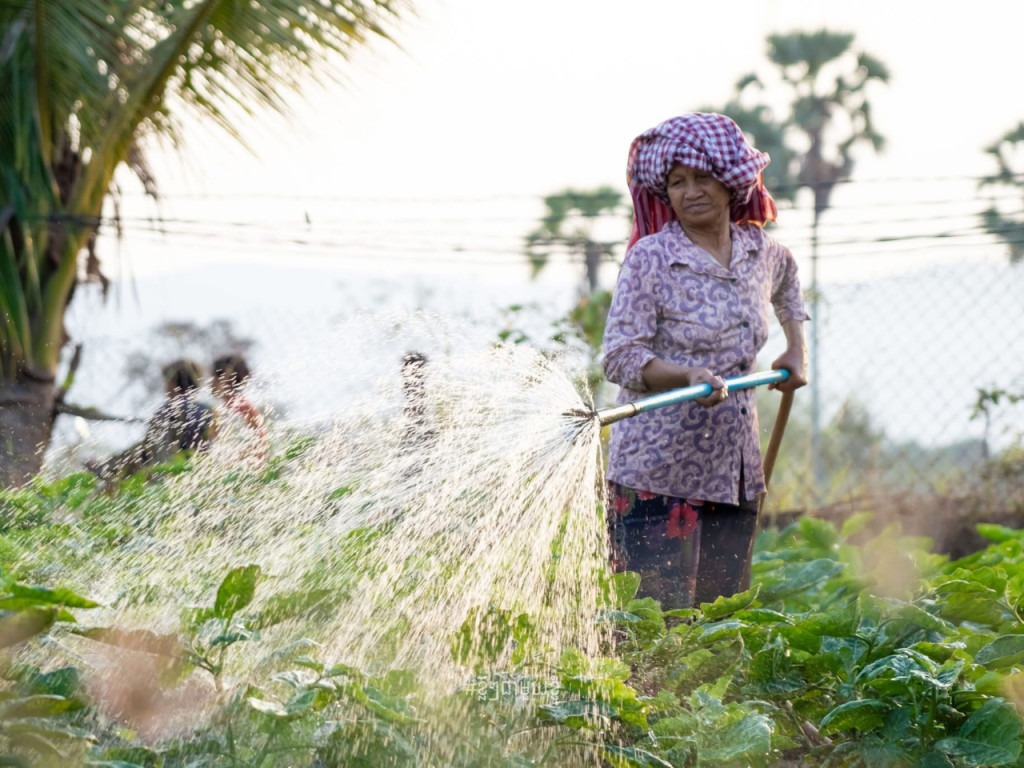
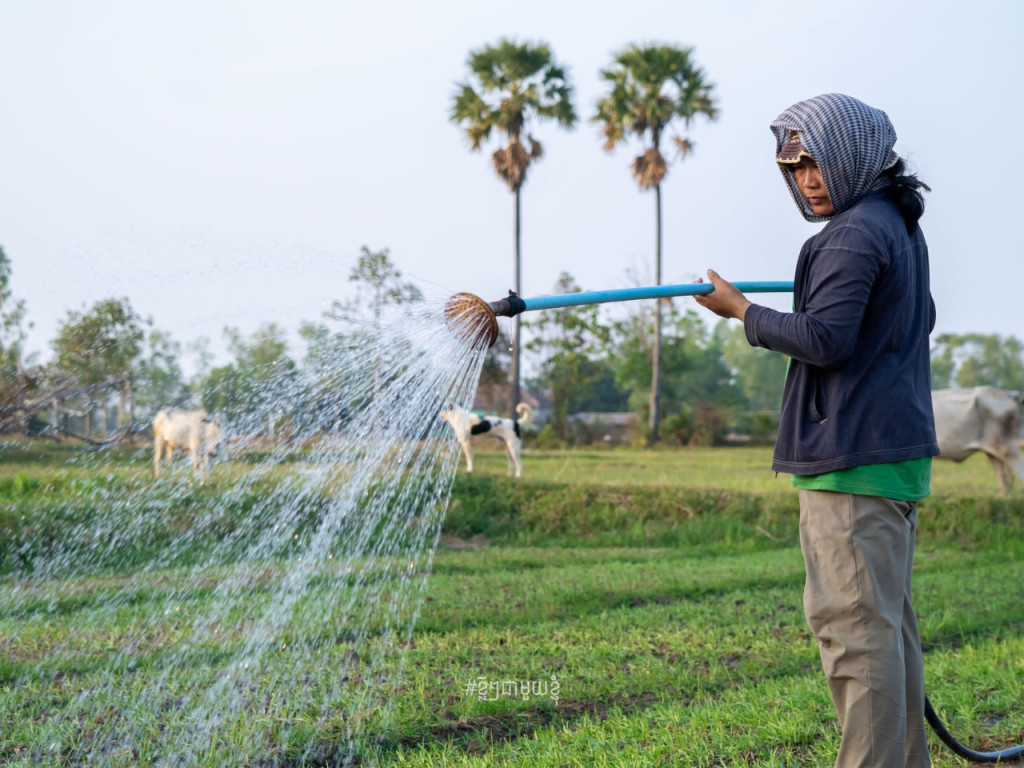
Changes in rainfall patterns, rising temperatures, drought and extreme weather events could increase risks to agricultural production and the incomes of households that depend on natural resources. While climate change is being discussed at the regional level, conditions in rural areas are also demonstrating its direct impact on farmers, particularly through shortages of irrigation water and prolonged dry weather.
Sao Rina, a farmer from Pralay commune in Stoung district, Kampong Thom province, told Baitong Post that irregular weather during this year's rainy season has created serious livelihood difficulties for many farmers. She said some dry- and wet-season rice fields have begun to dry out and face the risk of reduced yields, while farmers have already spent money on seeds, fertilizer and agricultural equipment.
“We farmers depend entirely on our rice fields. Seeing the rice plants we worked so hard to grow wither before our eyes is truly painful. The money invested in rice seeds, fertilizer and agricultural chemicals is almost completely lost,” she said.
Rina added that, in an effort to save the remaining rice crops, some farmers have had to borrow additional money to buy fuel for water pumps and draw water from distant sources. The problem is increasing the financial burden on farming households, while some areas are also facing shortages of clean water for daily use.
Oun Kimhon, a farmer from Puok district, Siem Reap province, said water shortages and dry fields are direct consequences of irregular weather, causing farmers to face production losses and declining incomes. She called on the government, the Ministry of Water Resources and Meteorology, the Ministry of Agriculture, Forestry and Fisheries, and relevant authorities to take urgent action to address water shortages and help save fields at risk of damage.
She called for canals to be rehabilitated, water pumps to be installed and water to be transported from major sources to agricultural areas facing shortages. She also urged authorities to establish effective water-management systems so farmers can access irrigation water in a timely manner.
In addition, Kimhon called for rice seeds, fertilizer and agricultural equipment to be provided to farmers who need to replant after rainfall or sufficient water supplies become available. She also requested appropriate assistance or compensation for households that have lost production because of drought and water shortages. She urged banks and microfinance institutions to extend repayment periods and ease financial conditions for farming households affected by adverse weather.
“If there is no timely intervention, many farming families may have to abandon their fields and migrate in search of work, which could affect food security and the national economy as a whole,” she said.
The water shortages and risk of reduced yields reported by farmers demonstrate the connection between climate change and food security. For a country where agriculture remains important to the economy and rural livelihoods, water shortages during the growing season can trigger a chain of impacts, ranging from declining yields and lost investments to rising household debt and migration.
Farmers said these impacts are not limited to damaged rice crops. They also affect families' ability to buy food, repay debts, pay for their children's education and meet daily living expenses.
The situation shows that responding to climate change requires both short-term measures to help farmers and long-term strategies to strengthen the resilience of the agricultural system.
“Transforming food systems and making agriculture more climate-resilient require investment and cooperation from all stakeholders,” said Eang Sophalleth.
He called on ASEAN member states, development partners, the private sector and financial institutions to work together to increase investment in finance, technology, innovation and markets to help farmers strengthen their resilience to climate change. According to the minister, millions of people in Cambodia and across ASEAN depend directly or indirectly on agriculture and natural resources. Strengthening climate-resilient food systems is therefore an important part of ensuring food security and promoting sustainable development.
“Cambodia officially submitted its NDC 3.0 in 2025, setting a target of reducing greenhouse gas emissions by up to 55% by 2035 across key sectors,” said Eang Sophalleth.
Cambodia has also adopted the Cambodia Climate Change Strategic Plan 2024–2033 (CCCSP), which aims to promote a low-carbon economy, strengthen resilience to climate change and move toward carbon neutrality by 2050.
For Cambodia, strengthening peace and stability must go hand in hand with protecting food security and building resilience to climate change.
“Cambodia is ready to work closely with ASEAN member states, development partners, investors, farmers and the private sector to promote climate-resilient food systems and responsible agricultural investment,” said Eang Sophalleth.
He also called on ASEAN parliamentarians, development partners and the private sector to increase resource mobilization and strengthen laws and policies that support green investment.
For farmers at the grassroots level, climate change is no longer a future concern. Water shortages during the growing season are becoming a direct threat to crop yields, household income, debt repayment and food security.
Farmers therefore want the government and relevant stakeholders to focus on practical solutions that can reach them in time, rather than relying solely on policies and commitments.
Making agriculture climate-resilient will require investment in water infrastructure, agricultural technology, climate-resilient seeds, finance and markets, as well as timely support and protection for farmers from the economic impacts of climate change.
From this perspective, peace, food security and climate action are not separate agendas. They are interconnected challenges requiring a common response to protect farmers' livelihoods, address current impacts and ensure sustainable development for Cambodia and the ASEAN region.

 Cambodia Links Peace, Food Security and Climate Change
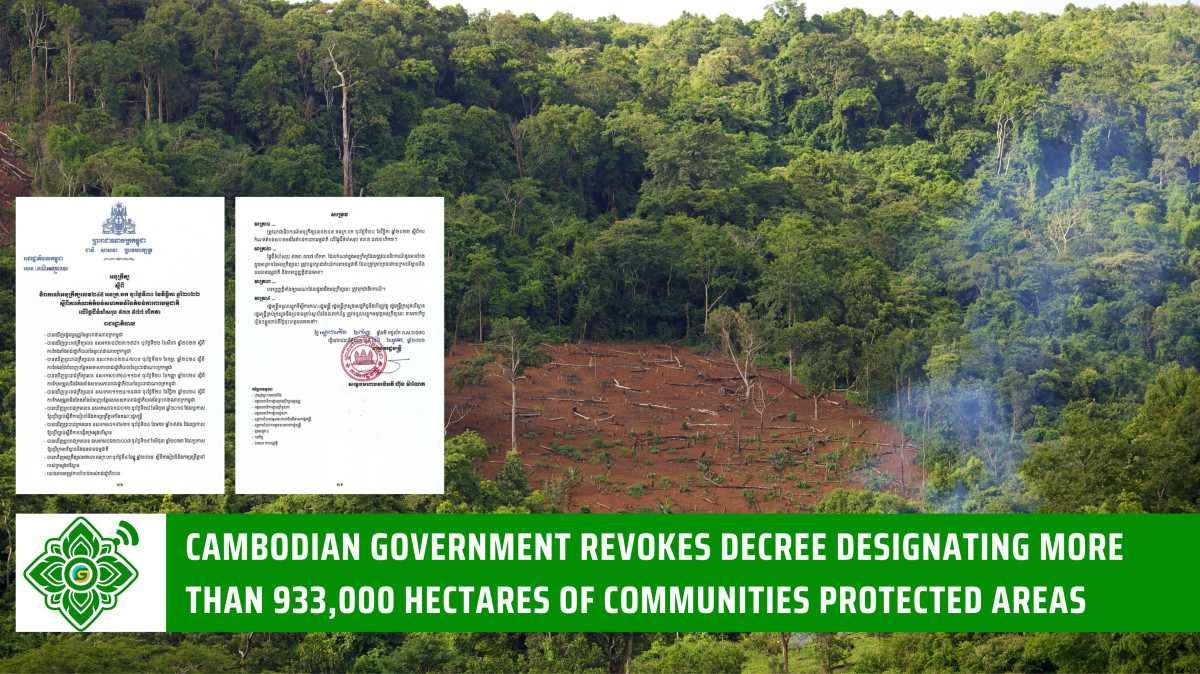 Cambodian Government Revokes Decree Designating More Than 933,000 Hectares of CommunitIES Protected Areas
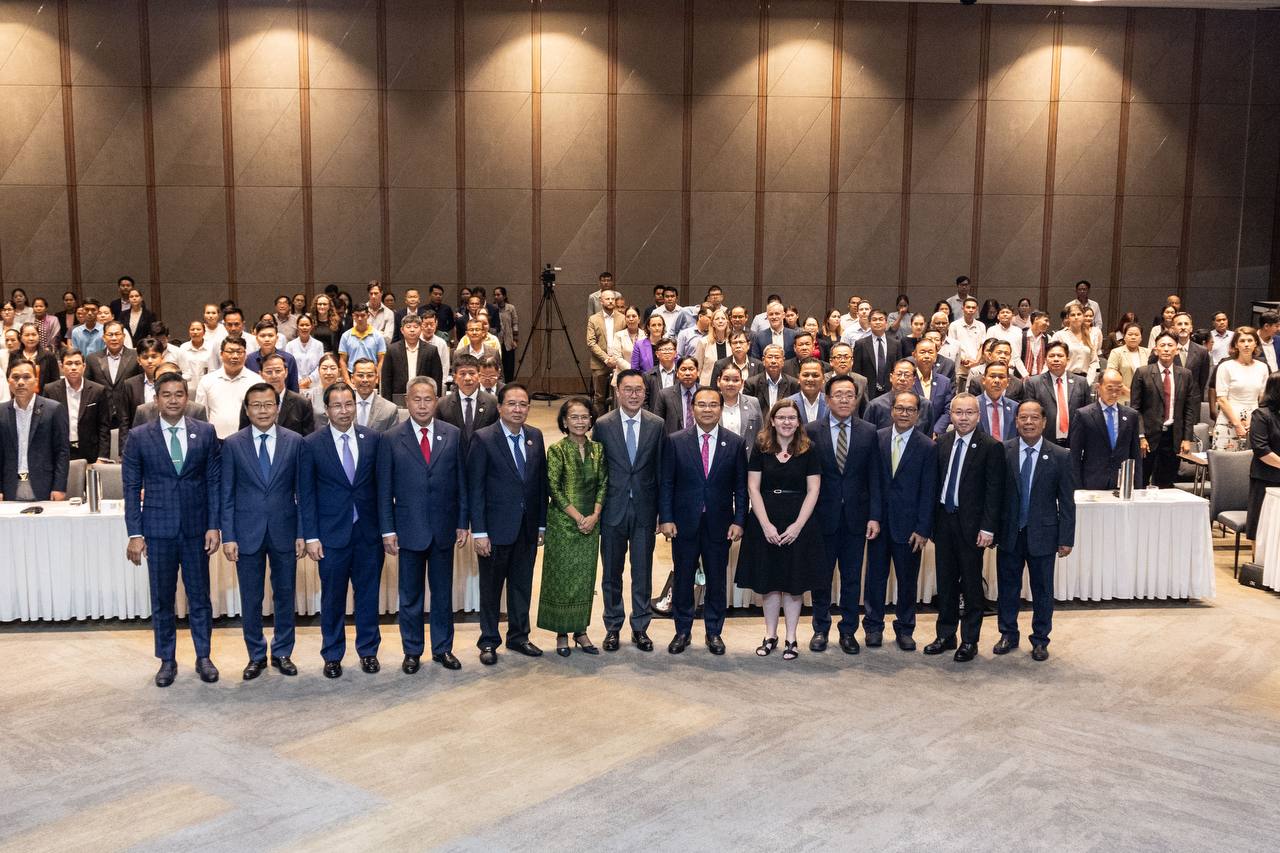 Australia and Cambodia Launch ACP4Climate Program to Strengthen Climate Resilience and Water Governance
 Kampong Thom Governor Inspects Prey Lang Forest and Orders Strict Crackdown on Illegal Deforestation
 Top news of the day: COP28 summit approves funds to compensate developing nations for climate impacts
 Loss and Damage Fund cleared on Day One of COP-28 summit
 INSP!R Asia Statement Loss and Damage Fund for financing Adaptive Social Protection
29-ឧសភា-2026 - ម៉ោង 08:24:AM
28-ឧសភា-2026 - ម៉ោង 09:34:AM
11-ឧសភា-2026 - ម៉ោង 01:42:PM
02-ធ្នូ-2023 - ម៉ោង 09:00:AM
© ២០២៣ រក្សាសិទ្ធិគ្រប់យ៉ាងដោយ BAITONGPOST
#35,St 1013, Phnom Penh Thmei, Sen Sok, , Phnom Penh, Cambodia
