
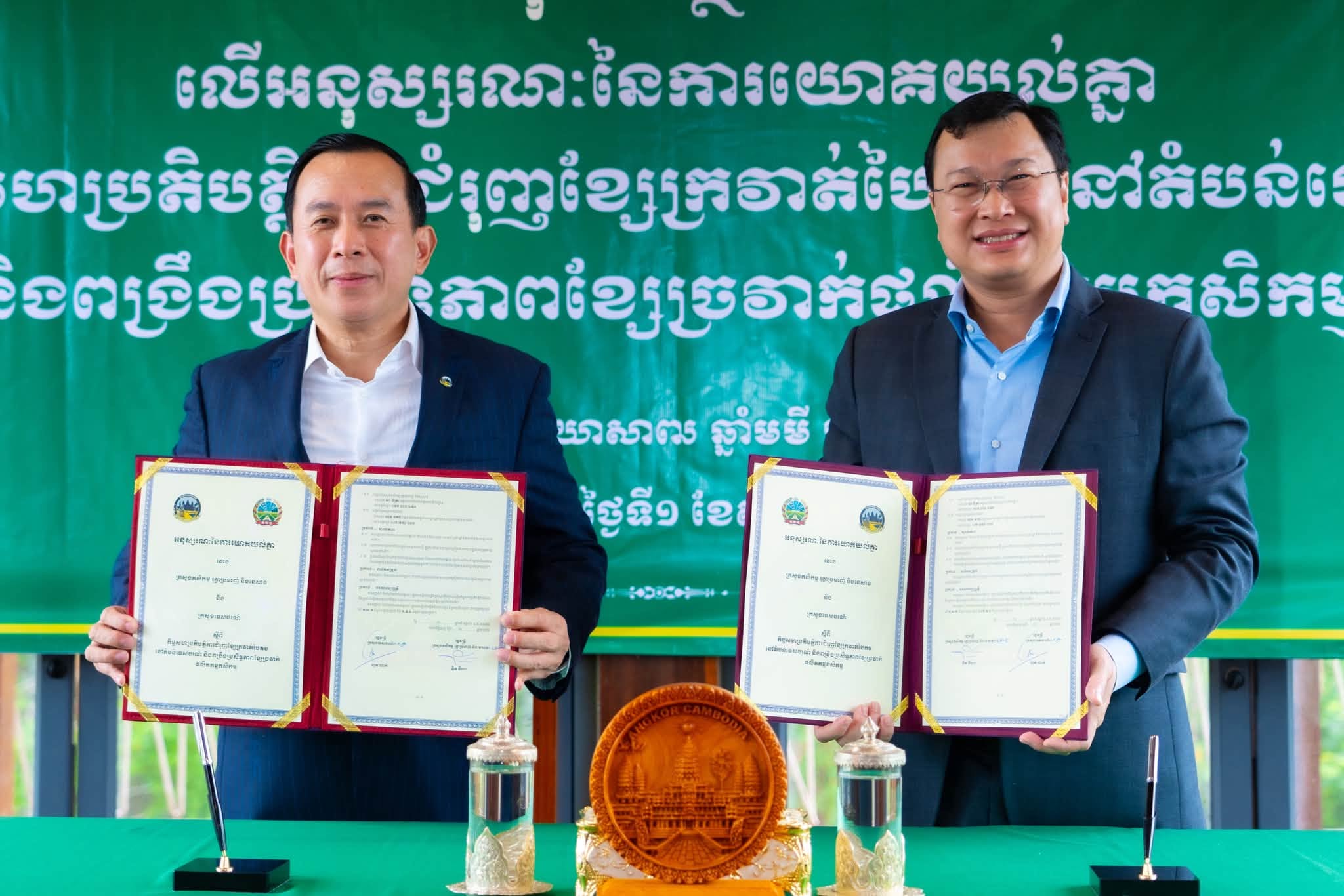
SIEM REAP, Cambodia has launched a new initiative to strengthen links between its agriculture and tourism sectors through the creation of a “Green Belt” around key tourism destinations, aiming to increase the use of locally produced agricultural products, reduce food imports, and generate higher incomes for farmers and rural communities.
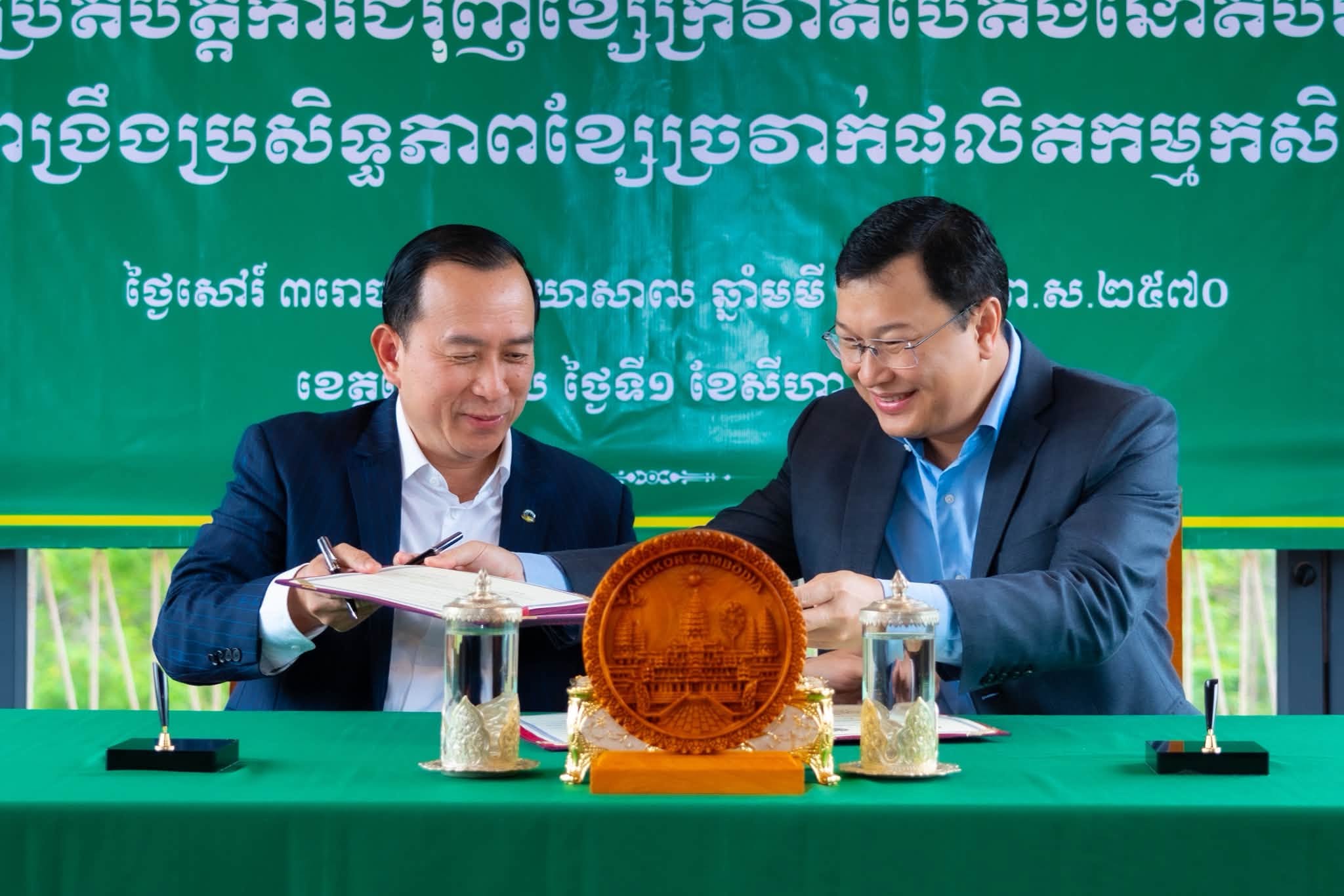
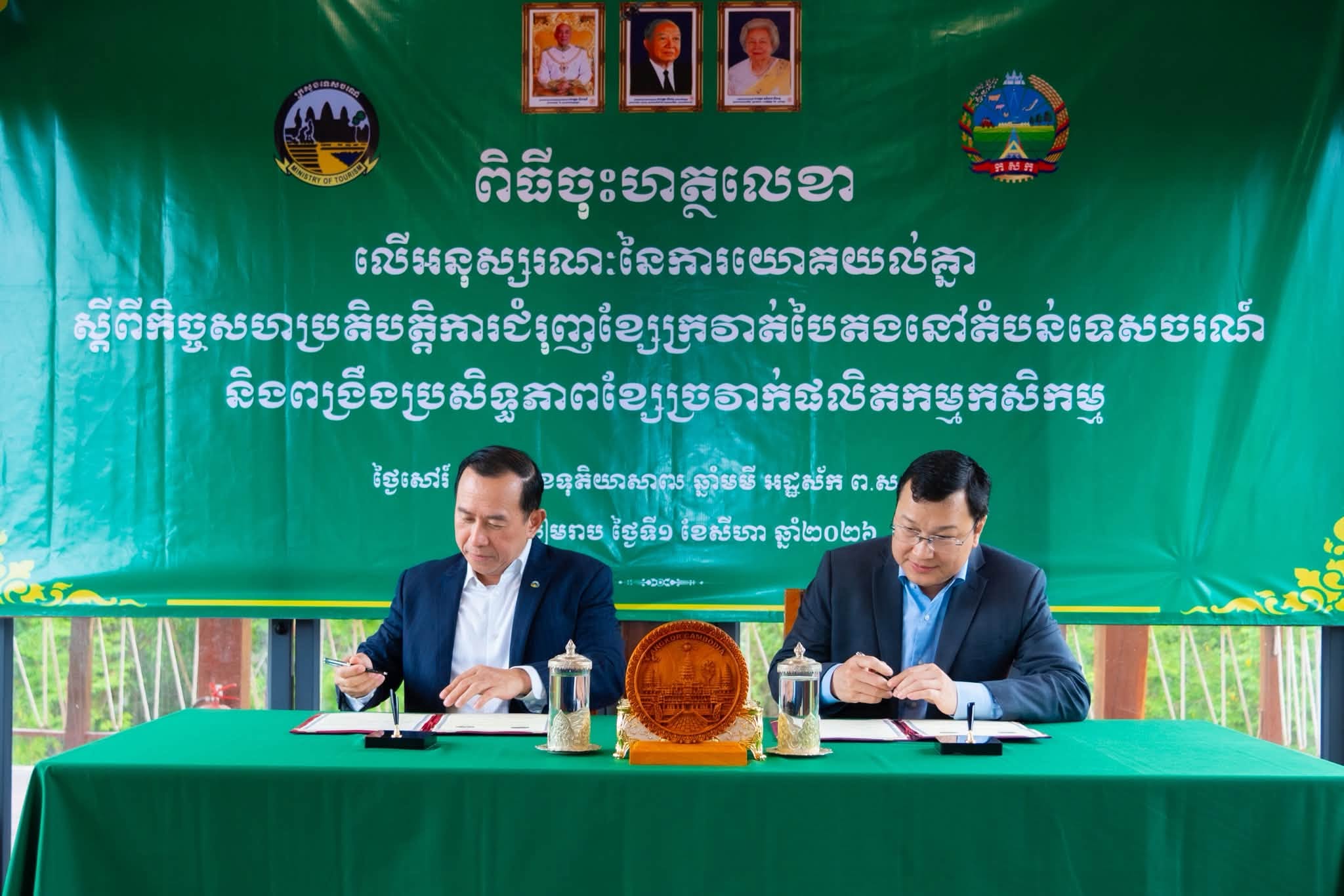
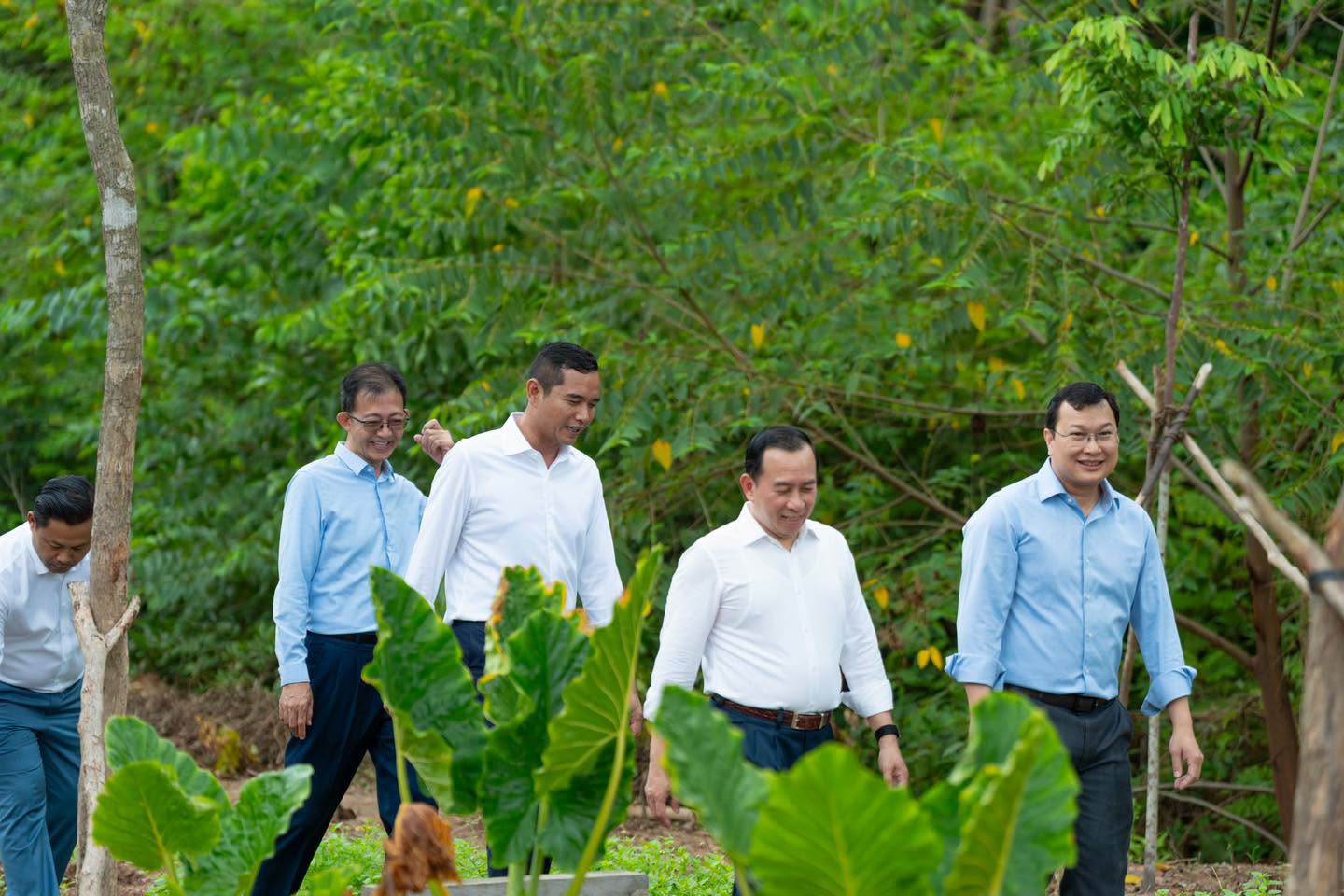
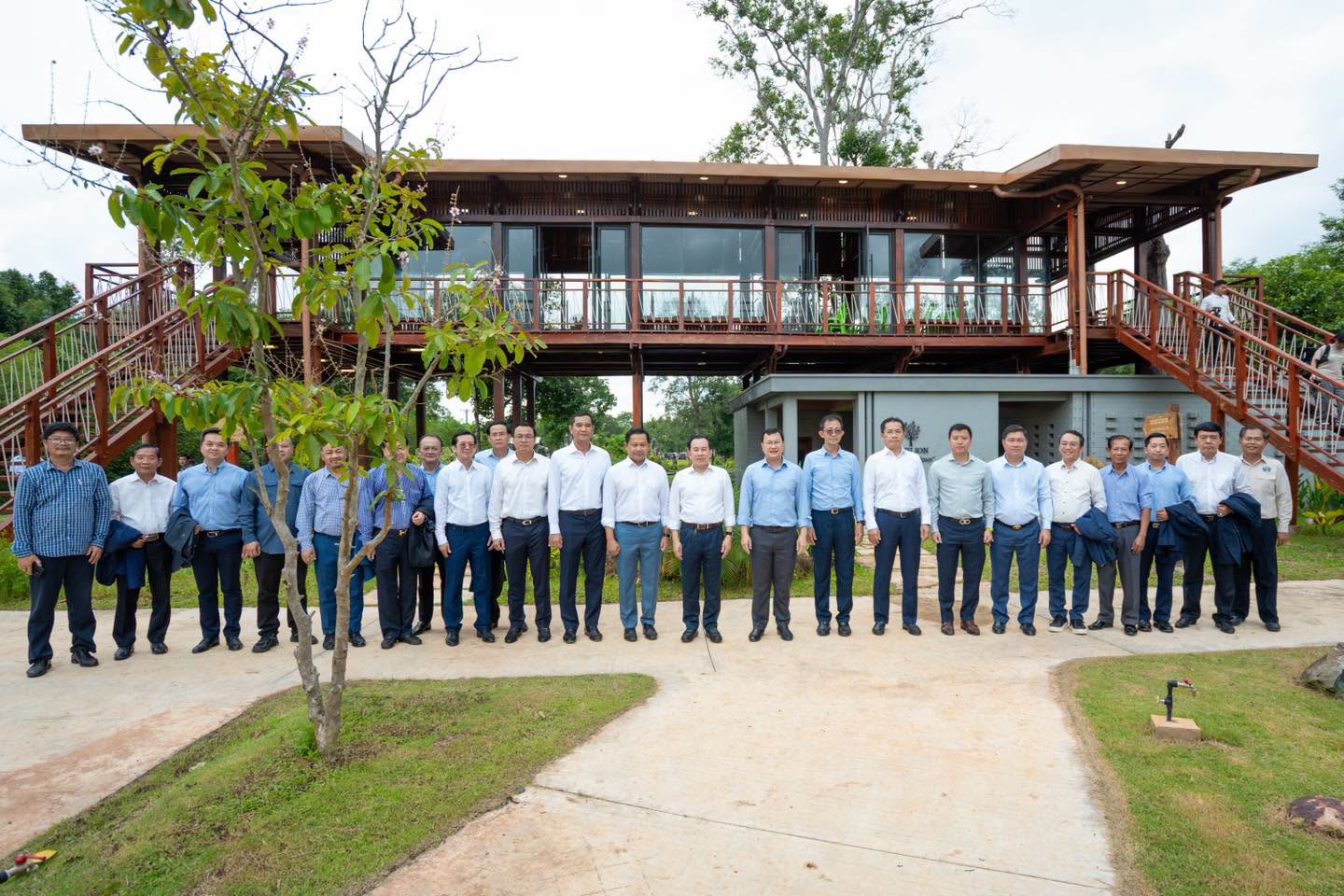
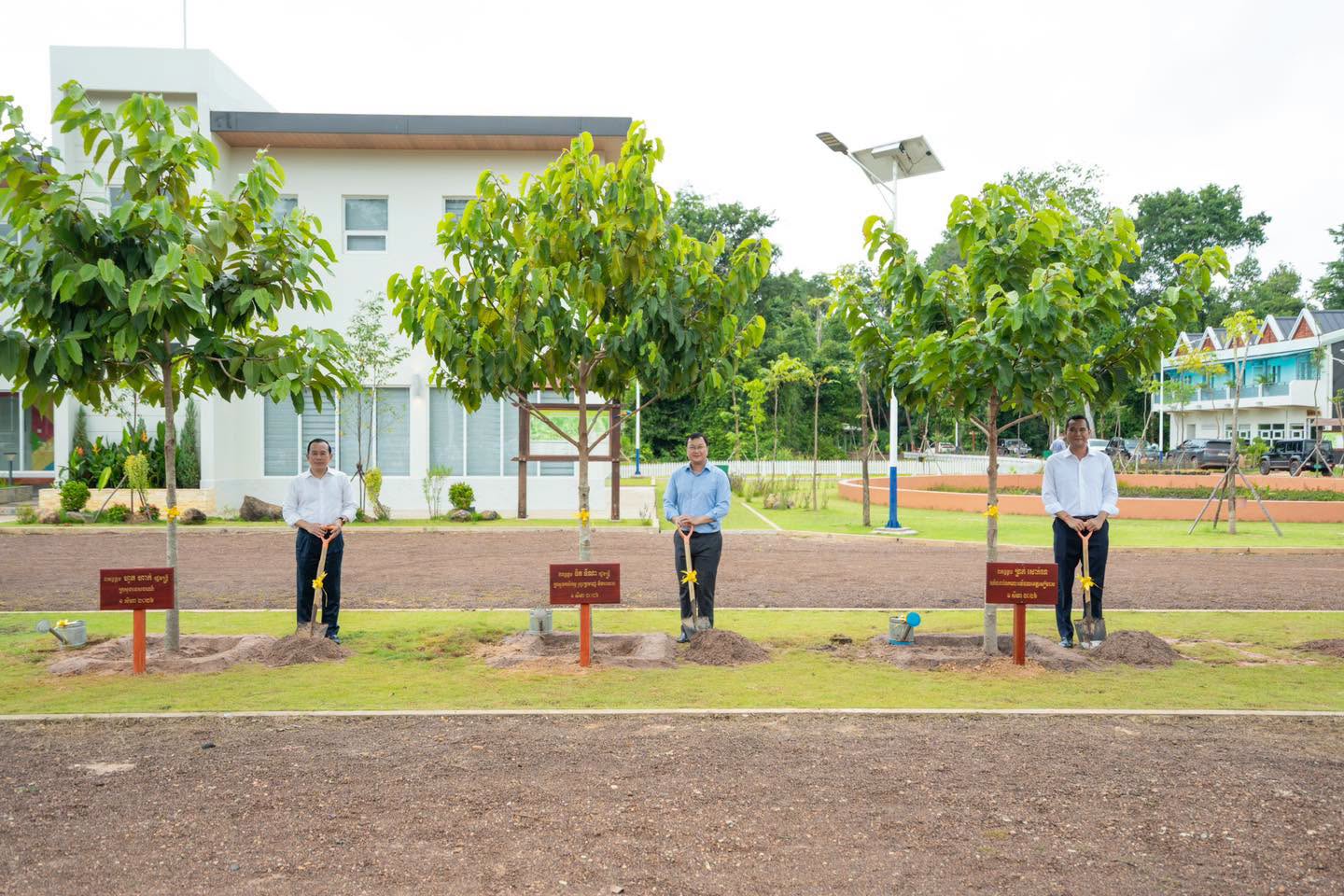
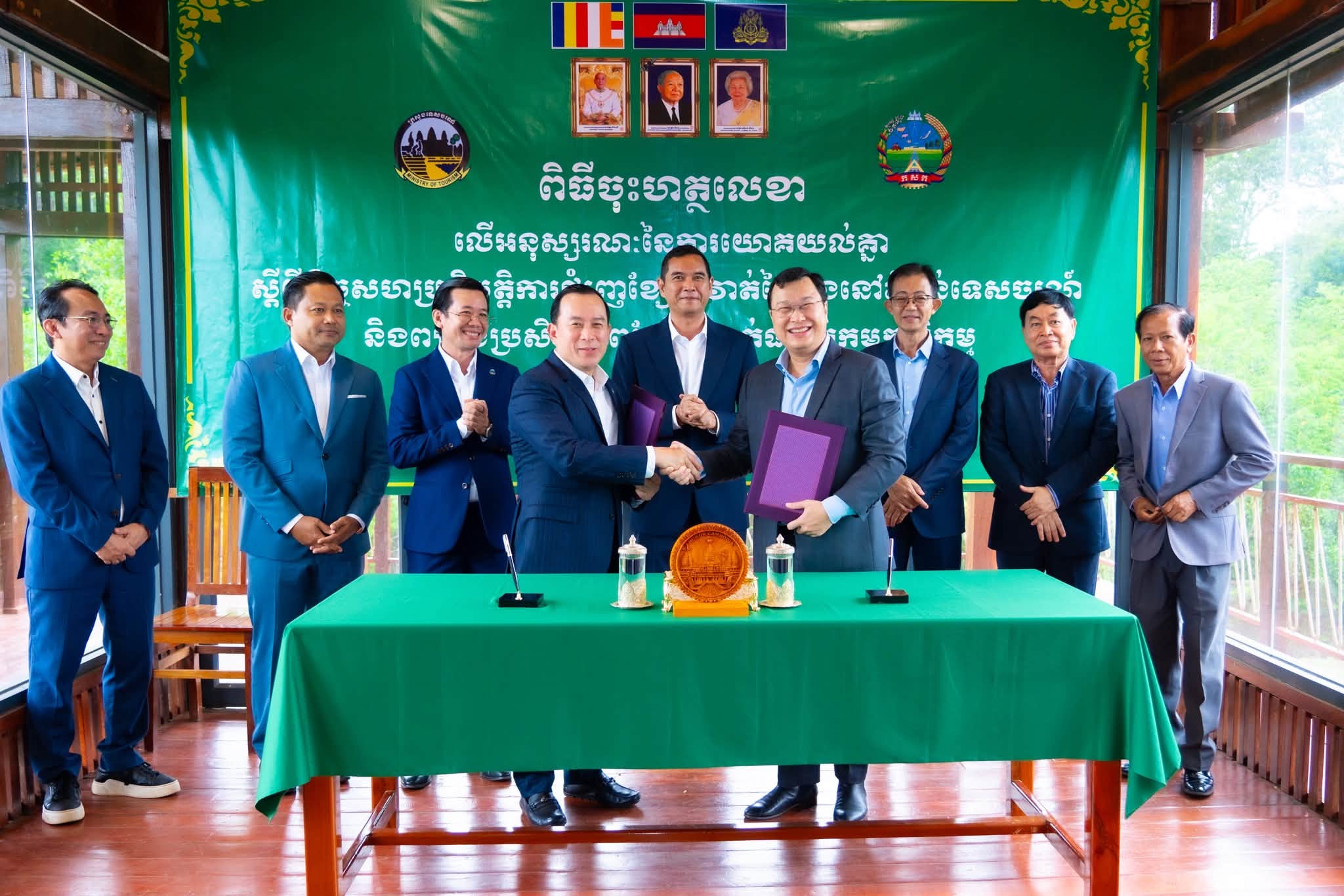
The initiative was formalized through the signing of a Memorandum of Understanding (MoU) between the Ministry of Agriculture, Forestry and Fisheries (MAFF) and the Ministry of Tourism at the Cambodia–ASEAN Korea Garden in Siem Reap province.
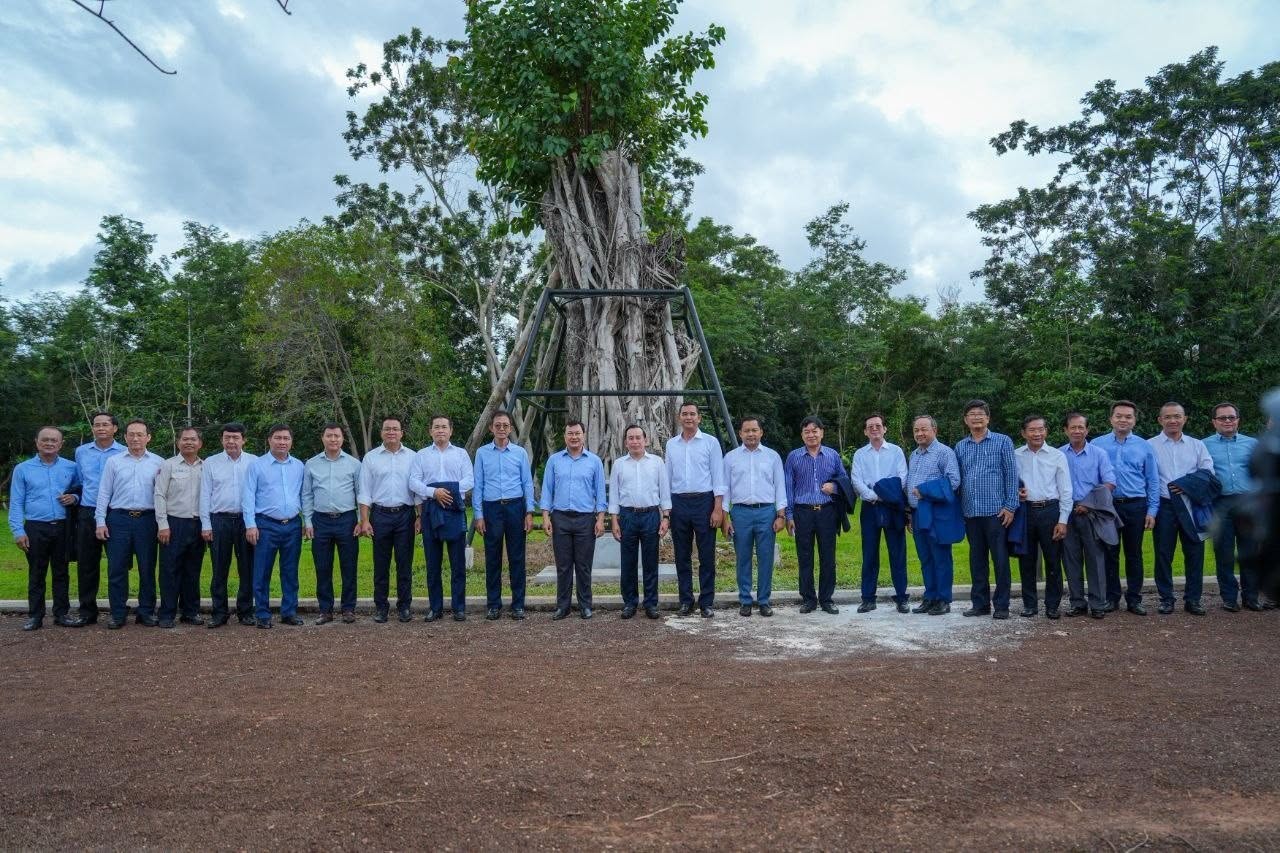
The signing ceremony was presided over by Minister of Agriculture, Forestry and Fisheries Dith Tina and Minister of Tourism Huot Hak, with the participation of Siem Reap Governor Prak Sophorn and senior officials from both ministries.
The partnership follows recommendations made during the 19th Government–Private Sector Forum, which called for reducing economic leakage in Cambodia's tourism industry by strengthening direct connections between domestic agricultural producers and tourism businesses.
Speaking at the ceremony, Dith Tina said the Green Belt Initiative would establish agricultural supply chains linking farming communities with hotels, restaurants, and other tourism operators, creating mutual economic benefits for both sectors.
"Farmers and local communities will gain new sources of income, while the tourism sector will continue to grow. This is a win-win approach that we describe as 'Export at Source'," Dith Tina said.
He added that agricultural communities would serve as reliable suppliers of vegetables, fish, meat, and other locally produced food, ensuring sustainable supplies in terms of quality, quantity, and consistency for Cambodia's tourism industry.
"Wherever there is a tourism destination, the source of food supply should also be there. This connection will expand agricultural production, increase incomes for local communities, and create greater value for both agriculture and tourism," he said.
Minister of Tourism Huot Hak described the agreement as part of Cambodia's broader strategy to reduce dependence on imported food by strengthening domestic agricultural production and integrating it more closely with the tourism economy.
"From farmers' fields to tourists' dining tables: Cambodia is strengthening its strategy to reduce imports of vegetables, fish, meat, and other food products through the joint promotion of Green Belts around tourism destinations," Huot Hak said.
He noted that agriculture and tourism are two mutually reinforcing pillars of Cambodia's economy. Expanding domestic agricultural production would not only improve farmers' livelihoods but also ensure a stable supply of safe, locally produced food while promoting Cambodia's culinary identity to international visitors.
"The growth of tourism serves as a catalyst for creating broader markets for farmers and local communities, while the development of agriculture enhances the quality of food and the overall visitor experience," he said.
The MoU establishes a long-term framework for cooperation between the two ministries, focusing on developing Green Belts around tourism destinations and strengthening agricultural value chains. Under the agreement, both ministries will coordinate and exchange information on tourism demand and agricultural supply to ensure locally produced food meets market requirements in terms of quality, quantity, and timely delivery.
The partnership also aims to maximize the use of Cambodian agricultural products in hotels, restaurants, and tourism businesses, reducing reliance on imported food while keeping tourism spending within the domestic economy. In addition, the two ministries will jointly promote agri-tourism and ecotourism, linking farming communities with tourism destinations to create higher value for local agricultural products, increase rural incomes, and support sustainable tourism development.
According to the Ministry of Agriculture, Forestry and Fisheries, the initiative is expected to strengthen domestic markets for Cambodian agricultural products, create rural employment opportunities, generate additional income for farming communities, and contribute to sustainable tourism by integrating local agricultural production more closely with the country's growing tourism industry.

 Cambodia Launches “Green Belt” Initiative Linking Agriculture and Tourism to Reduce Food Imports
 Cambodia Wins Historic First SEA V-League Title Despite Fourth-Place Finish in Final Leg
 Spain Crowned FIFA World Cup 2026 Champions
 FIFA World Cup 2026 Reaches Quarter-finals as Ronaldo, Neymar and Hosts USA Exit
27-កក្តដា-2026 - ម៉ោង 03:07:PM
20-កក្តដា-2026 - ម៉ោង 11:59:AM
07-កក្តដា-2026 - ម៉ោង 11:23:AM


© ២០២៣ រក្សាសិទ្ធិគ្រប់យ៉ាងដោយ BAITONGPOST
#35,St 1013, Phnom Penh Thmei, Sen Sok, , Phnom Penh, Cambodia
