
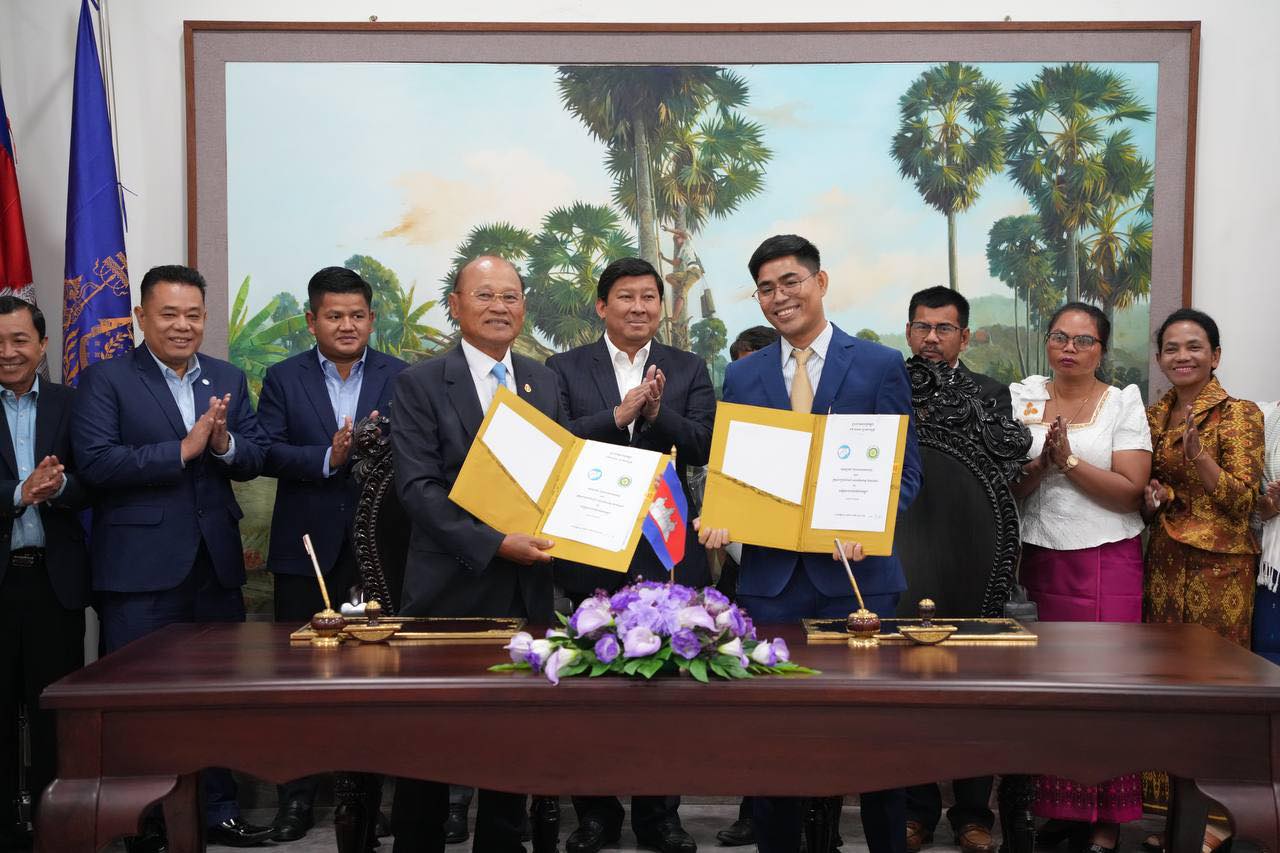
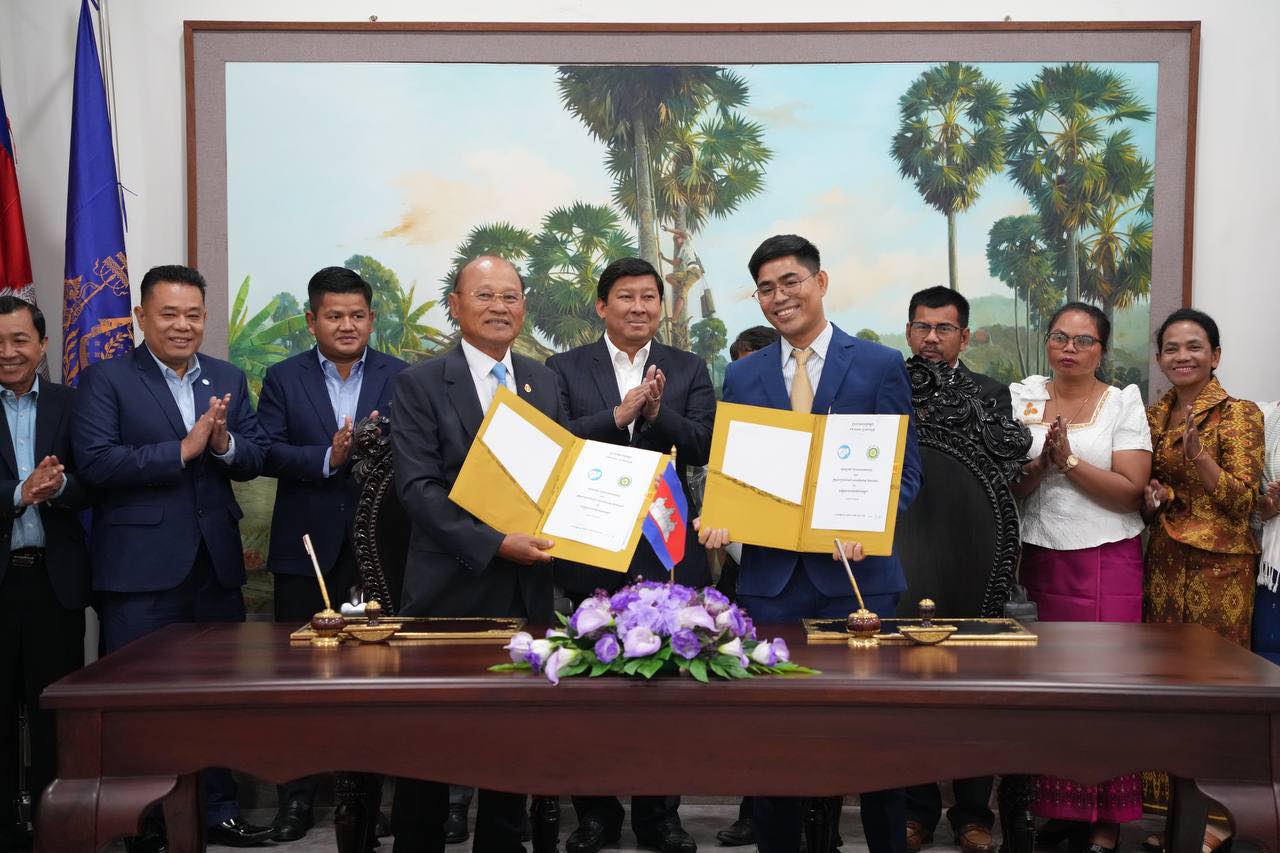
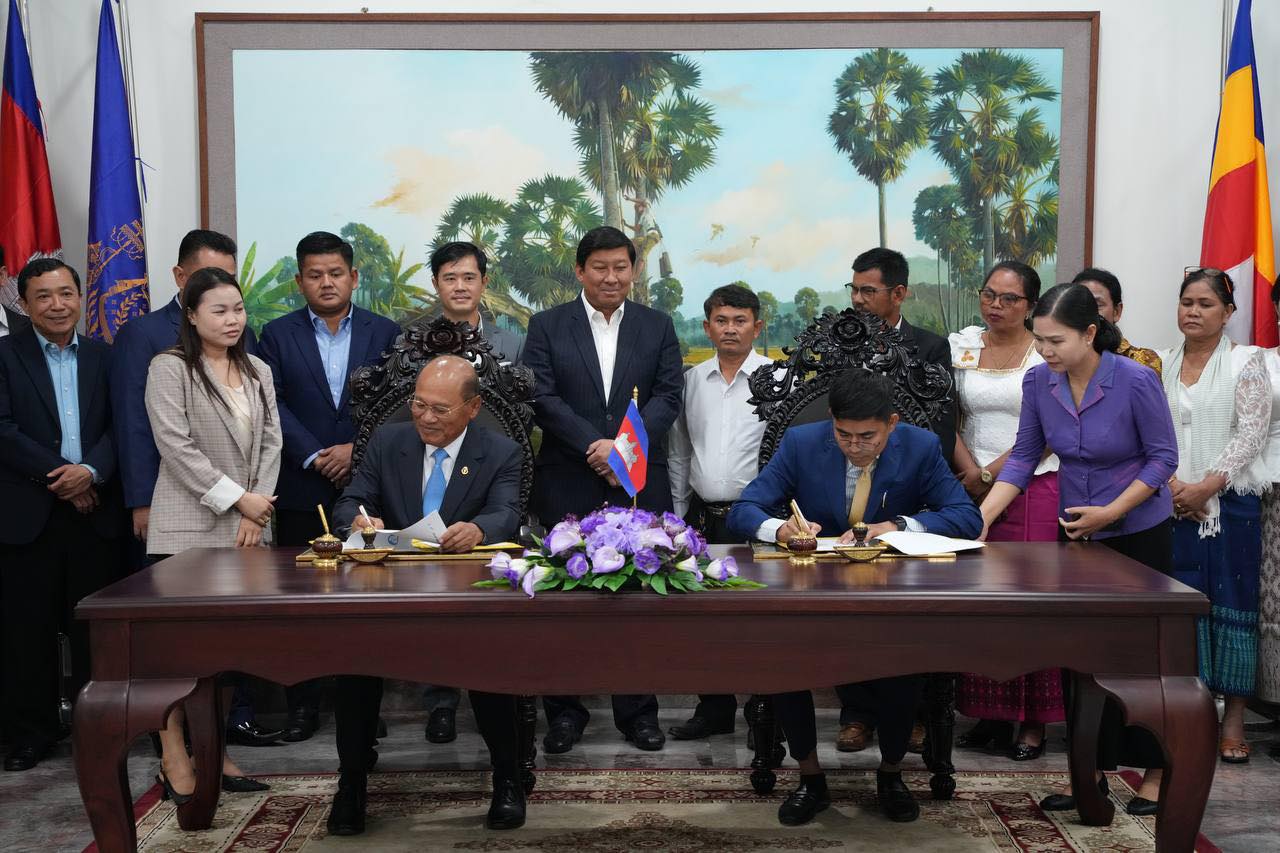
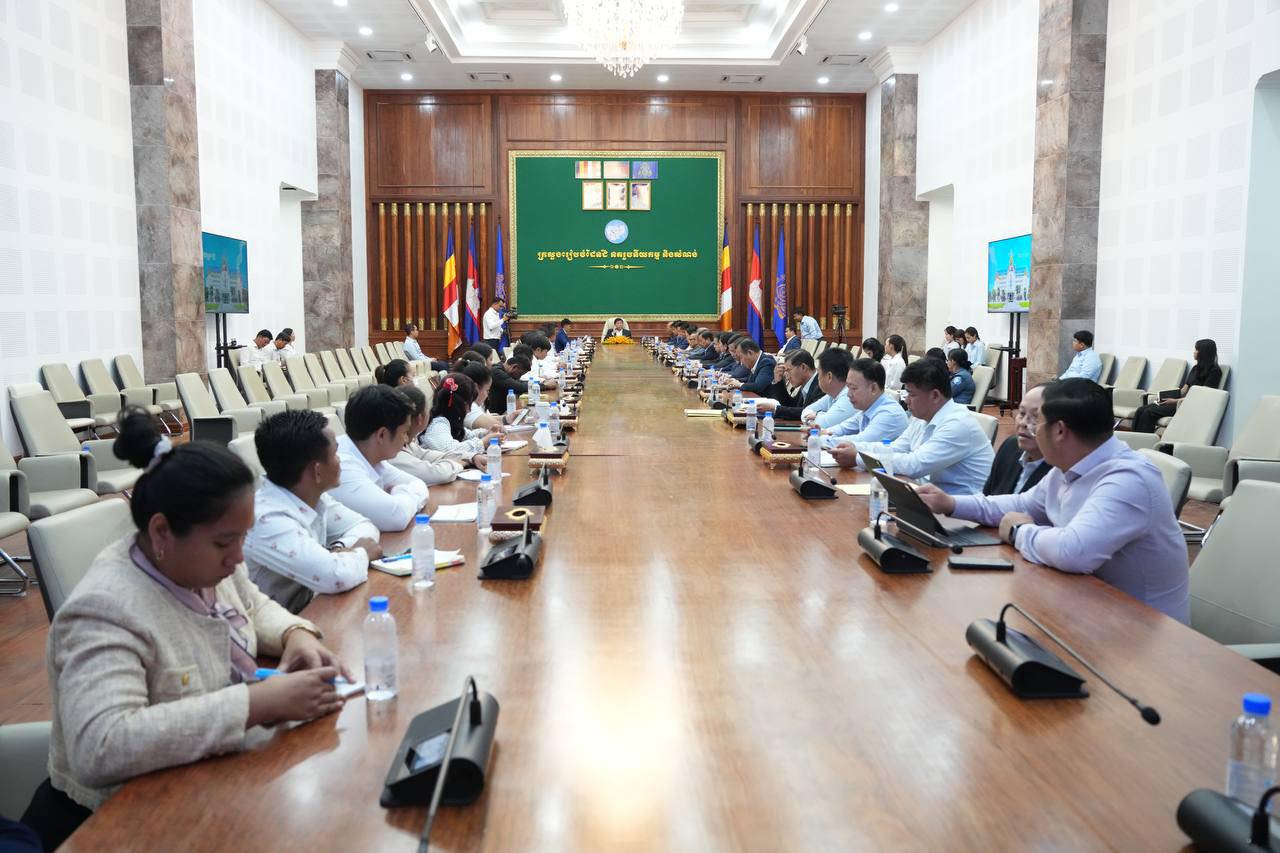
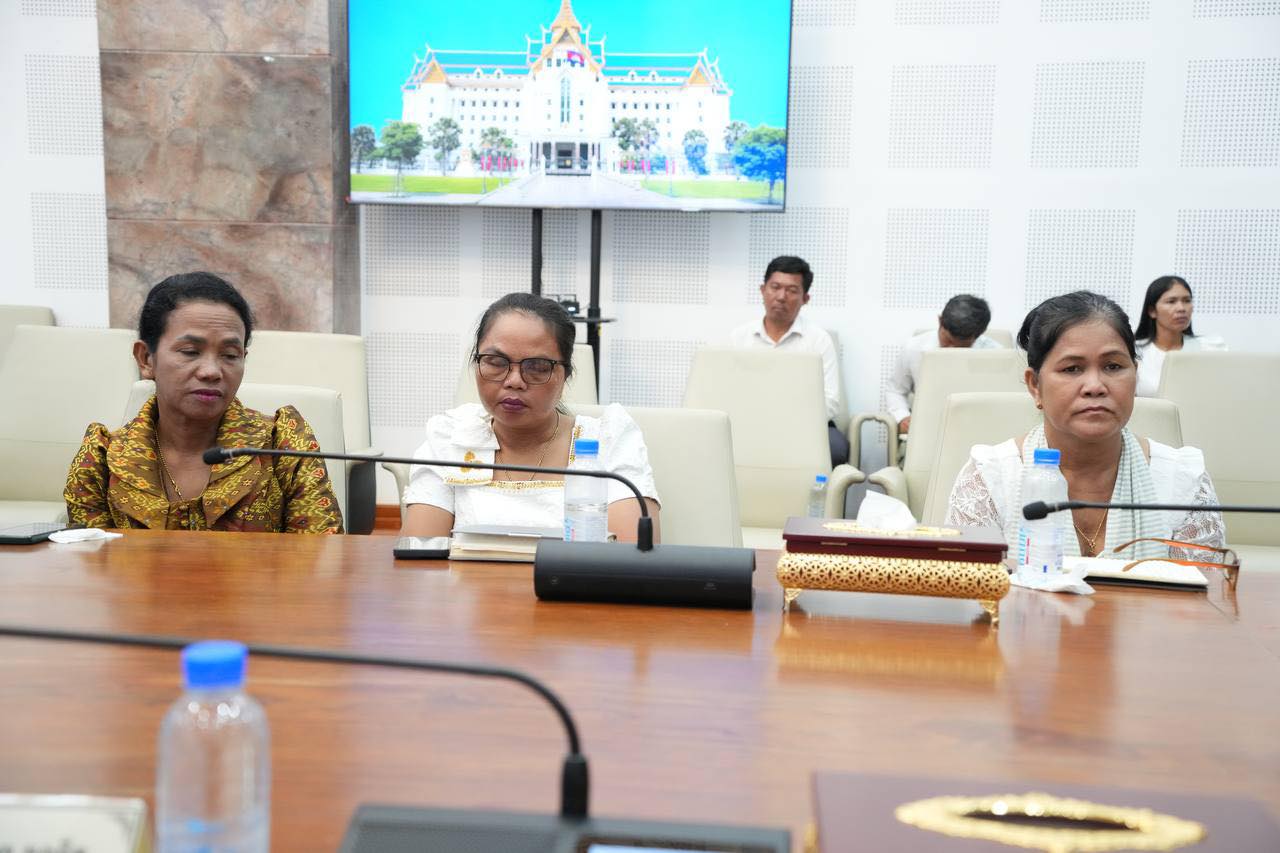
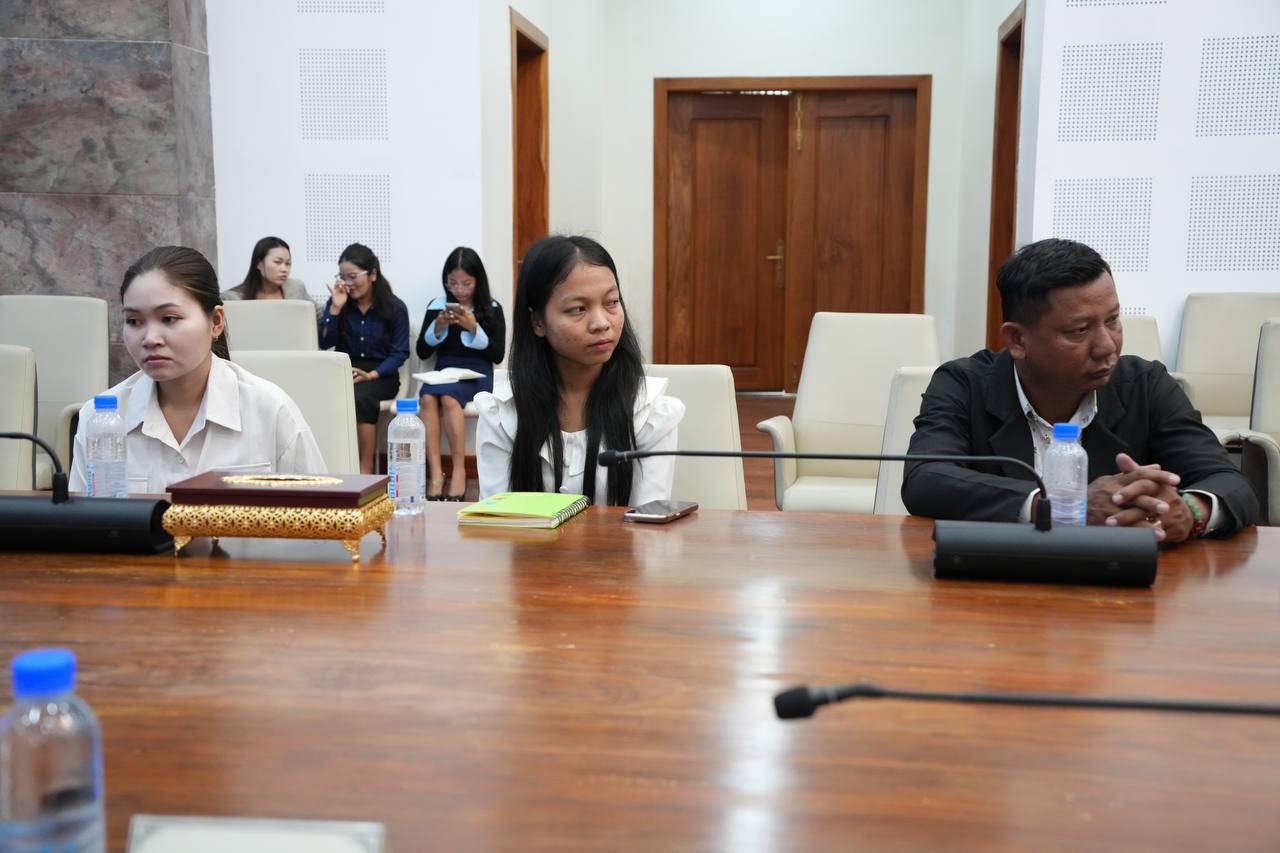
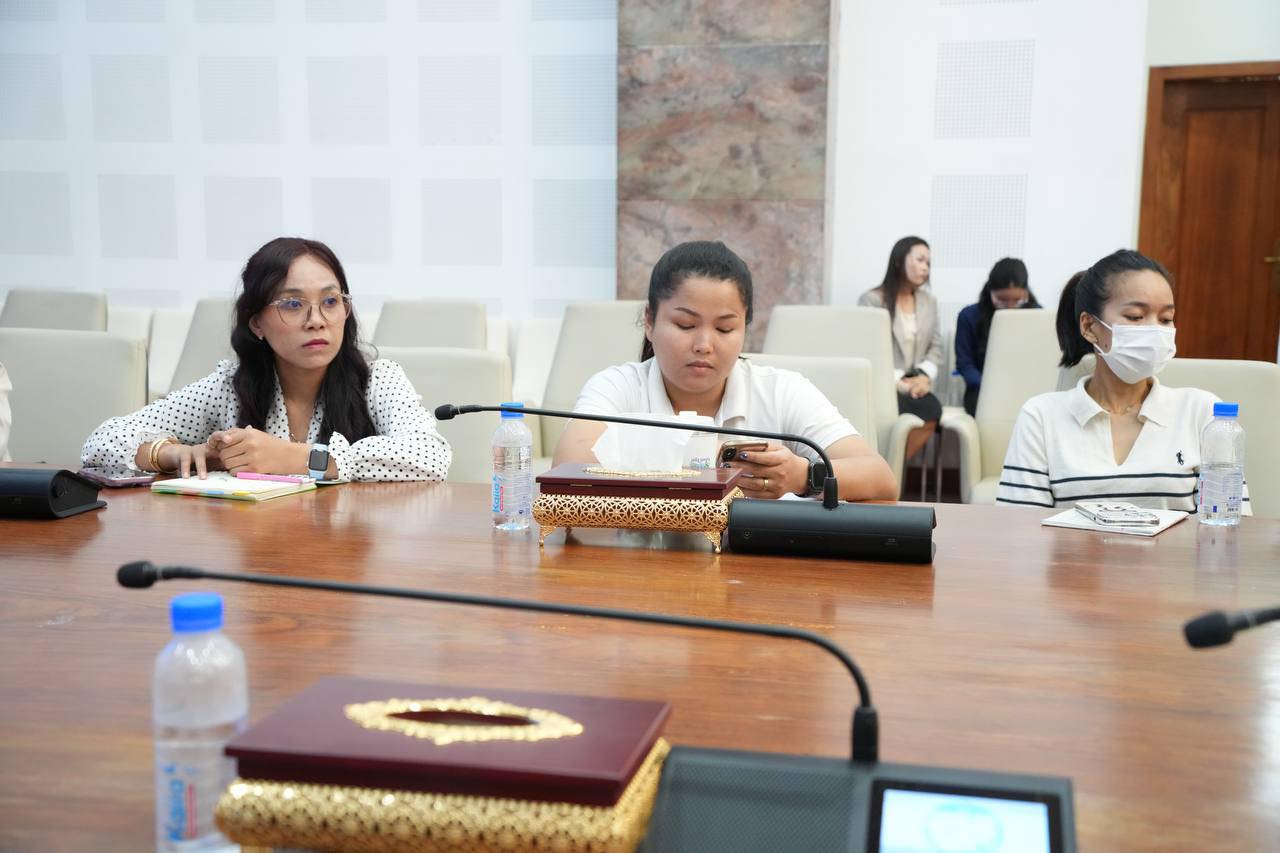
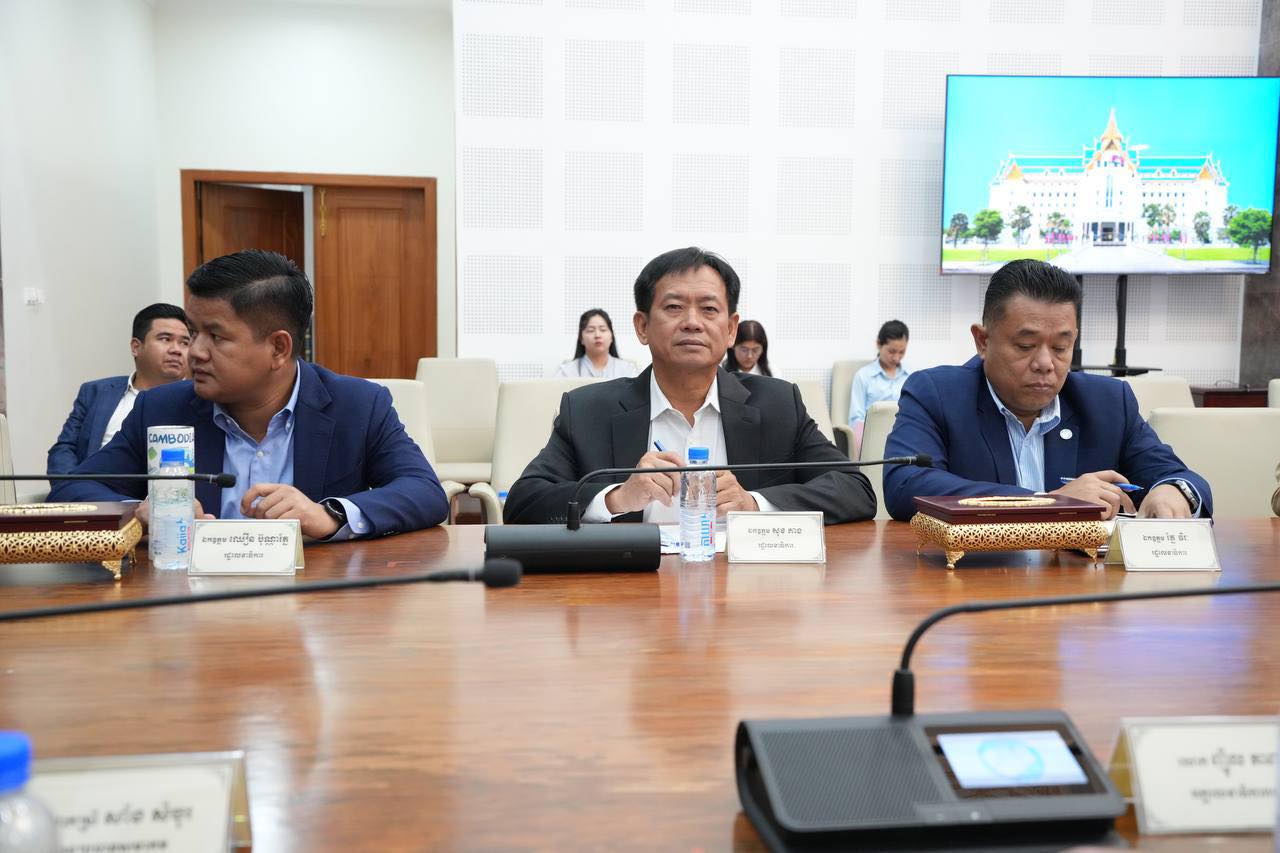
Phnom Penh, March 31, 2026 Mr. Theng Savoeun, President of the Coalition of Cambodian Farmers Community (CCFC), together with staff members and representatives from 14 provinces, attended a consultation meeting and the signing ceremony of a Memorandum of Understanding (MoU) between the Ministry of Land Management, Urban Planning and Construction and CCFC. The event was presided over by H.E. Say Samal at the ministry’s headquarters.
During the ceremony, H.E. Tep Thon, Secretary of State of the Ministry, presented a report on the outcomes of past collaboration between the ministry and CCFC. He noted that since March 2024, CCFC has worked closely with the ministry to contribute to more effective land dispute resolution across stakeholders. As a result, tensions and mobilizations related to land conflicts have significantly decreased, with parties increasingly opting for peaceful resolution through dialogue, mediation, and mutual understanding marking notable improvements compared to previous misunderstandings between community members and authorities.
He added that the MoU signing marks an important milestone, with the participation of senior officials, including Secretaries of State, Undersecretaries of State, and technical working groups responsible for coordinating land dispute resolution in the 14 target provinces where CCFC operates.
On the same occasion, Mr. Theng Savoeun presented a progress report on CCFC’s activities, highlighting the overall situation of land dispute resolution. As of 2025, CCFC has been working with key target groups, including smallholder farmers affected by land issues, rural women, youth farmers, community activists, local committees, provincial farmer networks, and representative councils.
The project has covered a total of 174 groups and networks, including 93 communities affected by land disputes and food security issues, 21 savings groups, 40 rural women’s groups, 8 youth farmer groups, 1 water enterprise, and 12 provincial farmer networks across 14 provinces: Preah Sihanouk, Koh Kong, Kampong Speu, Kampot, Takeo, Kandal, Svay Rieng, Prey Veng, Tbong Khmum, Kratie, Preah Vihear, Siem Reap, Kampong Thom, and Kampong Cham. The initiative has reached over 15,800 households approximately 63,200 individuals including 37,920 rural women and 17,696 rural youth, demonstrating a strong focus on inclusive participation in community development and sustainable livelihoods.
According to Mr. Theng Savoeun, in 2024 CCFC submitted a total of 56 land dispute cases for legal resolution, of which 45 cases have shown positive progress reflecting strengthened collaboration between communities, authorities, and relevant stakeholders. Among resolved cases, 22 are pending official land measurement procedures following agreement records, while 23 cases have been formally agreed upon and forwarded to provincial authorities for further legal processing. However, 12 cases remain unresolved requiring continued dialogue and mediation—across Kampong Speu (3 cases), Tbong Khmum (4), Preah Sihanouk (3), and Siem Reap (1).
For major priority cases involving social land concessions at the national level particularly in Kampong Speu, Koh Kong, and Svay Rieng requests have been submitted for high-level review and decision-making to ensure fair and lawful resolution. These cases present important opportunities to allocate land to landless citizens and improve livelihood security.
With support from the Ministry of Land Management, CCFC has also implemented the project “Community Empowerment on Land Rights and Land Law” from October 2024 to August 2025 across the 14 target provinces.
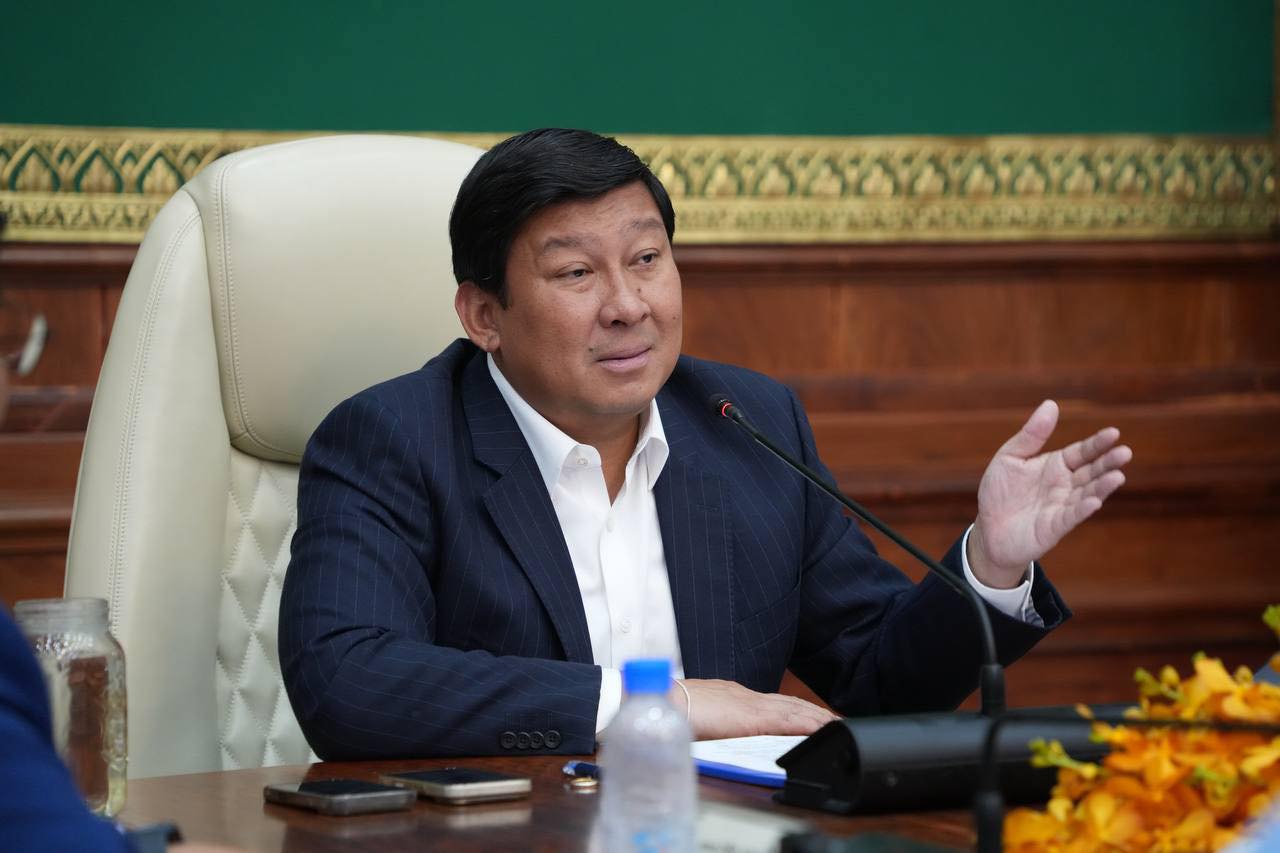
In his remarks, H.E. Say Samal emphasized that the partnership between the Ministry and CCFC serves as a model of cooperation, reflecting a culture of dialogue, mutual understanding, and collective action for national development.
He further encouraged CCFC to continue working closely with the Ministry to improve people’s livelihoods at the grassroots level by identifying essential needs and supporting rural families to achieve better housing, food security, savings, access to education for children, and quality family time. He stressed that such efforts are fundamental to strengthening Cambodia’s socio-economic foundation.

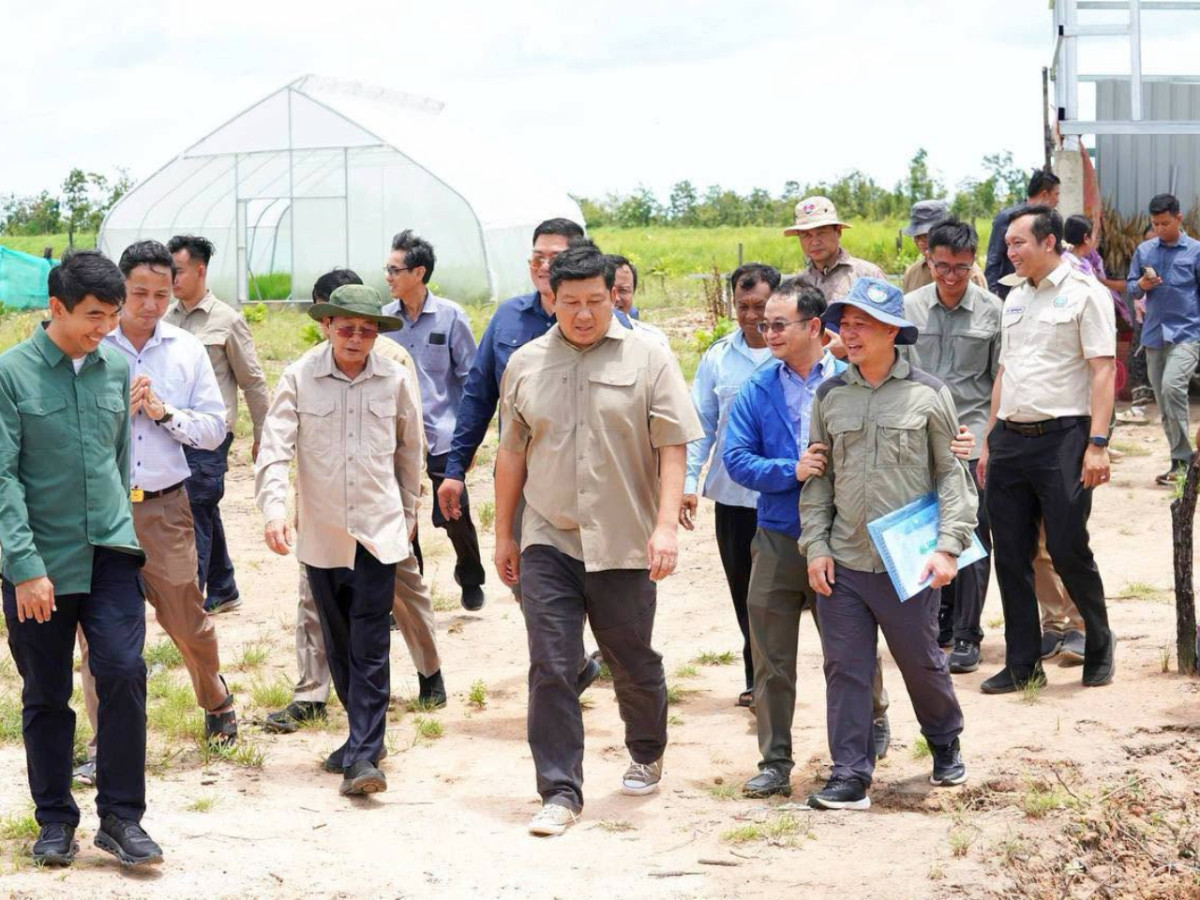 Social Land Concessions Remain a Government Priority for Rural Development in Cambodia
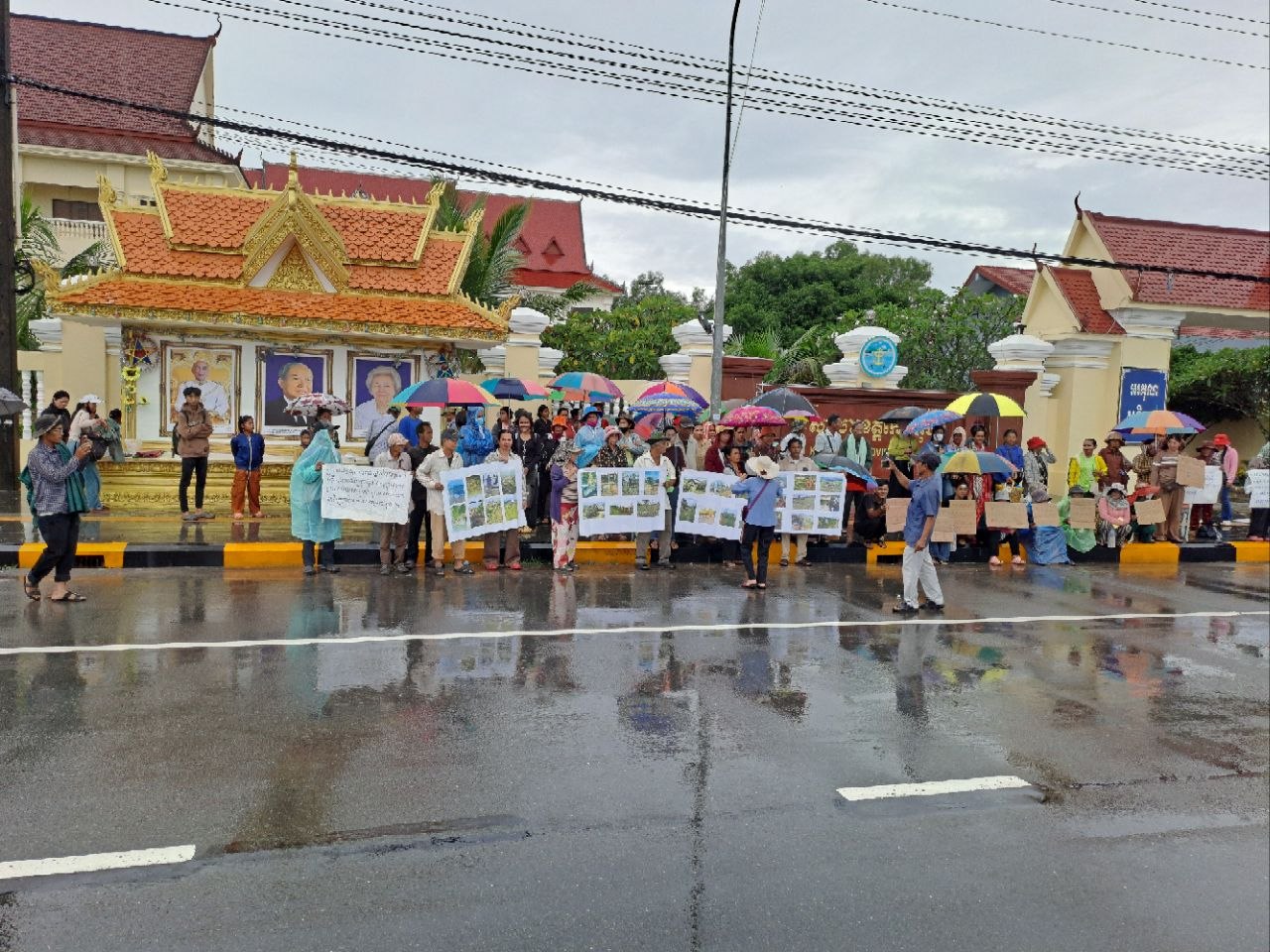 Koh Kong Residents Urge Authorities to Speed Up Resolution of Long-Running Land Disputes
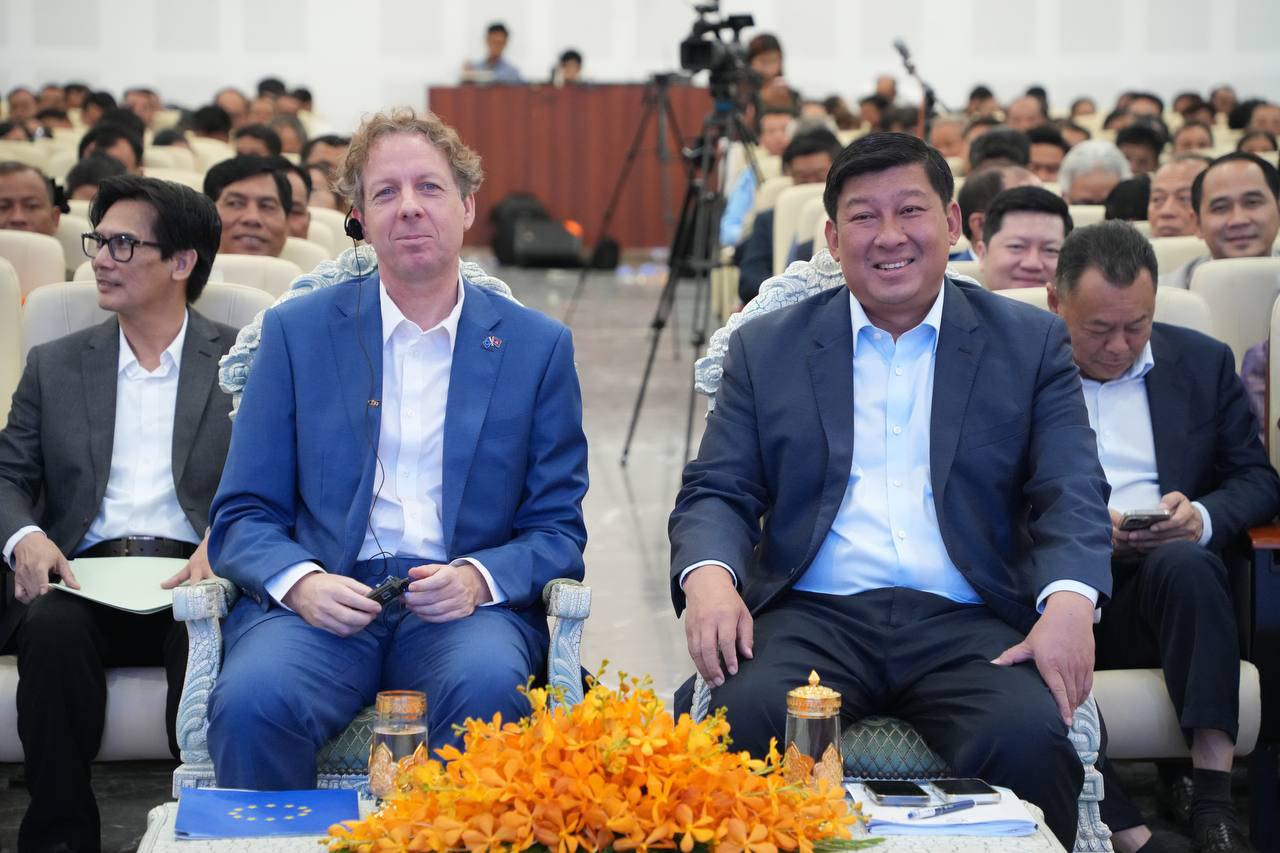 Social Dialogue Culture Between Civil Society and Government Strengthens on Land, Forest and Natural Resource Governance in Cambodia
MoU Signed Between Land Ministry and CCFC to “Community Empowerment on Land Rights and Land Law”
Social Dialogue Culture Between Civil Society and Government Strengthens on Land, Forest and Natural Resource Governance in Cambodia
MoU Signed Between Land Ministry and CCFC to “Community Empowerment on Land Rights and Land Law”
03-សីហា-2026 - ម៉ោង 02:15:PM
28-ឧសភា-2026 - ម៉ោង 07:02:AM
03-មេសា-2026 - ម៉ោង 11:30:AM
© ២០២៣ រក្សាសិទ្ធិគ្រប់យ៉ាងដោយ BAITONGPOST
#35,St 1013, Phnom Penh Thmei, Sen Sok, , Phnom Penh, Cambodia
